
Free pattern making can feel a little intimidating the first time you try it, especially if you have only followed store-bought sewing patterns before. The good news: you do not need fancy software, a fashion degree, or a perfect dress form to start. If you can measure, sketch, and test on scrap fabric, you can learn the basics. No such thing as a stupid question here — let's walk through it. Whether you are upcycling a thrifted sheet, cloning a favorite top, or adjusting vintage pieces that never quite fit, pattern making is a practical skill that gives you more control over your clothes.
What free pattern making actually means
At its simplest, free pattern making means creating your own sewing pattern instead of buying a printed one. That can be as basic as tracing a well-fitting T-shirt, or as detailed as drafting a bodice block from body measurements. For secondhand and upcycling projects, this is incredibly useful because thrifted fabric pieces, tablecloths, and existing garments rarely match the assumptions of commercial patterns.
Here's what belongs / what doesn't: free pattern making is about building shapes that fit your project and your body. It is not about guessing and cutting expensive fabric with hope as your only plan. A basic pattern can be made with kraft paper, a ruler, tape, and a pencil. Add a French curve if you want smoother armholes and necklines, but do not let tools stop you from starting.
One real benefit is flexibility. If you find a great vintage skirt that is two sizes too big, you can draft a cleaner waistband or pocket shape instead of forcing a random pattern to work. That is where homemade patterns shine.
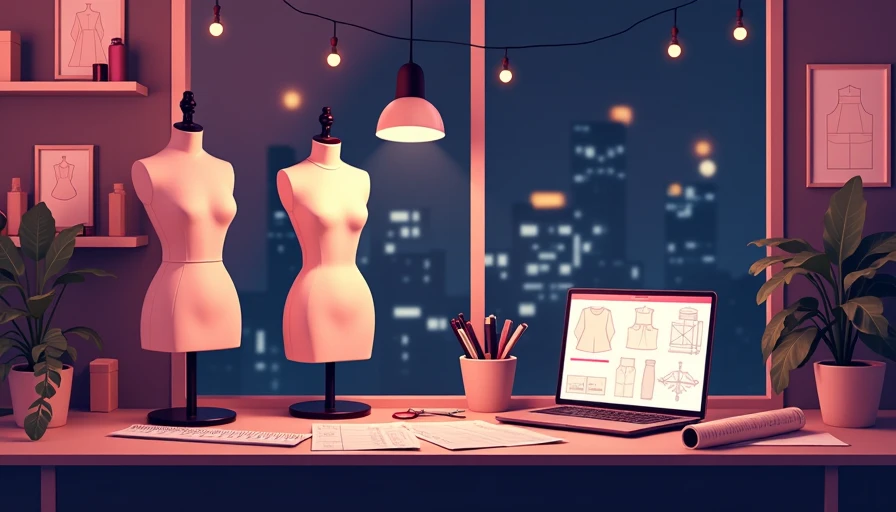
The easiest ways to start as a beginner
If you are brand new, start with the low-risk methods. The easiest version of free pattern making is tracing a garment you already own and love. Pick something simple: a boxy woven top, elastic-waist shorts, or a pull-on skirt. Avoid anything with stretch fabric, complicated collars, or a fitted sleeve on day one.
Lay the garment flat, smooth it gently, and trace one half at a time onto paper. Mark the fold line, seam allowance, grain direction, and any darts or notches. Then label everything. Trust me, unlabeled pattern pieces become mystery paper very fast.
Another beginner-friendly route is drafting from measurements. A basic skirt block is a great first project because it teaches waist, hip, length, and shaping without throwing armholes into the mix. Measure carefully, draw the rectangle, add waist shaping, then make a test version in muslin or an old bedsheet.
Here's what went wrong + how I fixed it: one of our early skirt drafts looked great on paper but twisted at the side seam. The fix was simple — we had ignored grainline and cut carelessly. Marking grainlines clearly solved it next time.
Tools that help and the ones you can skip
You do not need a studio full of gear for free pattern making. The useful basics are pattern paper or taped-together printer sheets, a clear ruler, measuring tape, pencil, eraser, paper scissors, and tape. A hip curve or French curve helps, but a steady hand can get you started.
If you want to level up, a tracing wheel and awl make transfers cleaner, and pattern weights are nicer than random canned goods, though canned beans absolutely work. For testing, cheap muslin is helpful, but old cotton sheets from the thrift store are even better for many beginners because they are affordable and easy to mark.
Software can be fun later, but it is not required. Many people learn faster by drafting on paper first because you can see seam lines, balance, and shape changes more clearly. If you do use digital tools, keep expectations realistic. Some free options are handy for layout or scaling, but they will not replace learning fit.
What you can skip at first: expensive grading tools, a dress form, and specialty rulers for every single curve. Start simple, then buy tools when a repeated problem tells you what you actually need.
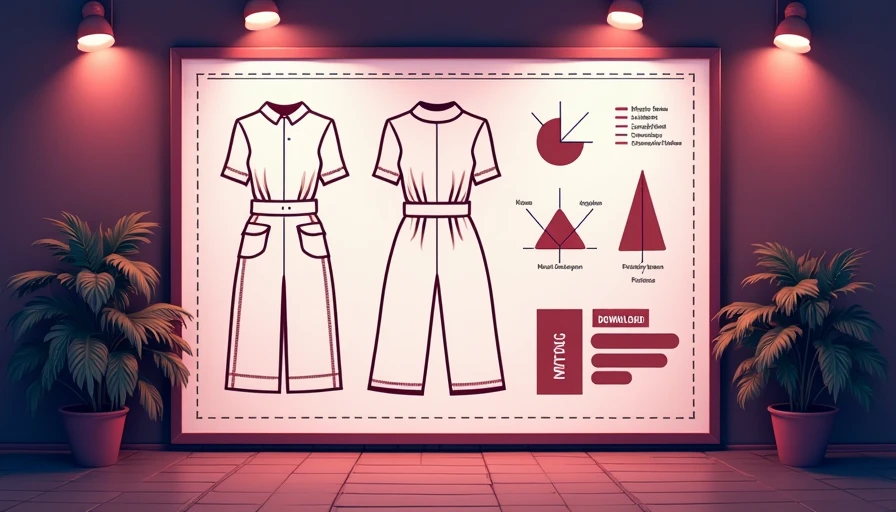
Step-by-step: draft, test, and adjust
A good free pattern making process follows the same basic order every time. First, choose a simple garment. Second, take accurate measurements or trace a garment that already fits. Third, draw the pattern cleanly and add labels. Fourth, sew a test version. Fifth, fit it and correct the pattern before touching your final fabric.
That test garment matters more than most beginners expect. A muslin shows whether the bust is pulling, the shoulder is too wide, or the hip needs more room. Pin out excess, mark tight spots, and transfer those changes back to paper. This is the part many people skip, then blame themselves when the final piece feels off.
A few practical reminders help a lot: add seam allowances only after the main shapes are correct, walk your seams to make sure matching edges are the same length where they should be, and true your curves so transitions are smooth.
If a fit issue shows up, do not panic. Fix one problem at a time. Tight armhole? Adjust depth or shape. Gaping neckline? Remove excess length. Pattern making gets easier when you treat it like problem-solving, not magic.
Best projects for thrift flips and upcycling
Free pattern making is especially useful when you sew from secondhand materials. A flat bedsheet can become pajama pants, a simple gathered dress, or a camp-collar shirt if you make a pattern around the fabric you actually have. Oversized men's shirts can turn into crop tops, aprons, kids' clothes, or paneled skirts when you trace and cut strategically.
For vintage pieces, pattern making also helps preserve details you love. You can copy a pocket shape, a collar stand, or a sleeve proportion from an older garment without taking the whole thing apart. That means you keep the inspiration while building something wearable for everyday life.
Our favorite beginner projects are elastic-waist shorts, A-line skirts, tote bags, and simple sleeveless tops. They teach the core skills without overwhelming you. Once those feel comfortable, move into darts, facings, collars, and fitted bodices.
The biggest win is confidence. When you know how to make or adjust a pattern, thrift finds stop feeling limited by size tags or strange proportions. You start seeing possibilities instead of problems.
How to keep improving without getting overwhelmed
The fastest way to improve at free pattern making is to keep a record of what you changed and why. Write notes directly on the pattern: lowered armhole by half an inch, added one inch at hip, shortened bodice length, removed neckline gape. Those notes save you from repeating the same mistakes.
It also helps to build one reliable base pattern, often called a block or sloper, and reuse it. Once you have a basic bodice or skirt that fits, you can slash, spread, rotate darts, or change style lines with much less guesswork. That is when pattern making starts to feel creative instead of stressful.
Be patient with yourself. Even experienced sewists make test garments that pull, twist, or hang weirdly. The difference is not perfection. It is knowing how to read the problem and try again. No such thing as a stupid question here — just more chances to learn.
If you have been waiting to try free pattern making, start with one simple garment this week. Grab paper, trace something you wear all the time, sew a test version, and make one fix. That small win can open up your whole upcycling toolbox.
No notes yet — write the first one.