If you have been hunting for **free sewing patterns** that are actually usable, beginner-friendly, and worth your fabric, you are not alone. A lot of free downloads look cute in photos but get messy once you print them, tape them, and try to fit them to a real body or a thrifted piece. No such thing as a stupid question here — let's walk through it. The good news is that there are solid free options out there for tops, skirts, bags, simple dresses, and upcycling projects if you know what to look for.
What makes free sewing patterns worth downloading
Not every pattern labeled free is a good pattern. The first thing to check is whether it includes clear sizing, a supply list, and layout or cutting guidance. If a pattern skips basic instructions, beginners often end up guessing seam allowance, grain direction, or fabric type, and that is where projects go sideways fast. We have absolutely printed patterns that looked promising and then realized halfway through that key steps were missing.
A strong free pattern usually includes a printable file, measurement chart, seam allowance notes, and at least a short tutorial. Bonus points if there are line drawings instead of only styled photos. Styled images can hide fit problems. Line drawings show what you are actually making.
For thrift flips, flexibility matters even more. The best free sewing patterns are simple shapes you can adjust to fit the fabric you already have, like boxy tops, elastic-waist skirts, aprons, tote bags, and pajama shorts. Those projects work well when you are cutting around stains, worn hems, or odd panels from secondhand garments.
Best types of free sewing patterns for beginners
If you are newer to sewing, start with patterns that do not require heavy fitting. Woven tank tops, pull-on shorts, gathered skirts, pillowcase tops, and zip-free bags are much more forgiving than fitted pants or structured jackets. That does not mean you have to stay boring. It just means your early wins should build confidence instead of draining it.
Here is what belongs and what does not:
Beginner-friendly projects usually have straight seams, simple closures, and stable fabrics like cotton poplin, quilting cotton, denim scraps, or light canvas. Harder projects often involve slippery rayon, stretch knits without clear guidance, invisible zippers, or tailored shaping.
One of our favorite ways to use free sewing patterns is for wearable basics from thrifted sheets or oversized menswear. A button-up shirt can become a cropped camp shirt or pull-on skirt. A vintage tablecloth can turn into a breezy summer top. These are the kinds of projects where a clean, simple pattern really shines because you are already solving one puzzle with reused fabric.
Where to find free sewing patterns without wasting time
The fastest route is to look at trusted sewing blogs, fabric companies, and indie pattern designers that offer a few free patterns so you can test their drafting style. Many sewing communities also share pattern roundups, but it helps to click through and inspect the actual files before you commit printer paper and tape.
Look for patterns that have photos from multiple makers, not just the original sample. Community makes can show whether the design works across sizes and fabrics. If comments mention confusing instructions, tiny armholes, or odd grading, believe them.
Another smart move is searching by project type instead of searching only for free sewing patterns. For example, try terms like free pajama short pattern, free tote bag pattern, or free boxy top pattern. You will get more focused results and spend less time scrolling through low-quality list posts.
If you use social platforms or sewing forums, save the downloads that worked for you in one folder. Trust us, six months from now you will not remember which PDF had good instructions unless you label it clearly.
How to print, prep, and avoid common pattern fails
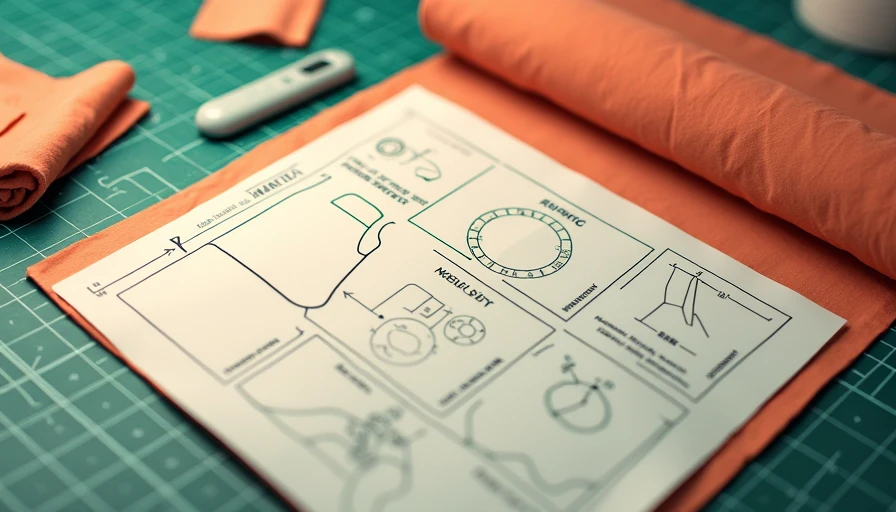
Most frustration with free sewing patterns happens before the first stitch. Always print the test square first. If the one-inch or four-centimeter box is off, your final fit will be off too. Print at actual size, not fit to page. Then trim and tape carefully, matching notches or page guides.
Here is what went wrong + how we fixed it: we once rushed a free skirt pattern, skipped checking scale, and ended up with a waistband that was too small by enough to ruin the whole cut. Since then, we mark the size, write the seam allowance on the first page, and highlight any steps that are easy to miss.
Before cutting your good fabric, hold paper pieces up to your body or compare them to clothes that already fit. This is especially helpful with upcycling fabric because yardage is limited. If the pattern seems very long, wide, or cropped, adjust on paper first. A ten-minute check can save an hour of regret.
How to use free sewing patterns for upcycling and thrift flips
This is where free sewing patterns really earn their keep. Secondhand fabric sources are rarely perfect rectangles of fresh yardage. You may have a queen sheet, two matching pillowcases, a pair of jeans, or one oversized dress with great fabric but awkward proportions. Free patterns with simple pieces let you work around those limits.
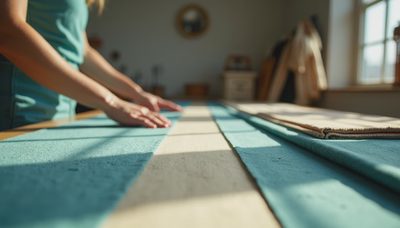
For shirts and dresses, choose patterns with fewer pattern pieces and minimal facings. For denim upcycling, go for bags, skirts, and aprons where you can use existing hems, pockets, or sturdy seams. When a thrifted fabric has wear spots, place pattern pieces strategically and do a flat lay before cutting.
It also helps to think in parts. Maybe one garment will not yield a whole dress, but it can become a top if you use contrast fabric for straps or pockets. That kind of mix-and-match approach makes free sewing patterns more practical than chasing a perfect one-fabric project every time.
The best part is that repeated use builds skill. Once you trust a pattern, you can shorten it, add ties, change sleeves, or turn it into a totally different thrift flip.
Build a small pattern library you will actually reuse
You do not need fifty downloads. You need a handful of free sewing patterns that fit your style and teach useful skills. Start with one top, one bottom, one bag, and one simple upcycling project. Make each one more than once. Swap fabrics, tweak length, and note what changed.
Keep a simple record with finished measurements, fabric notes, and anything you would alter next time. That sounds basic, but it is one of the easiest ways to stop repeating the same mistakes. A pattern that felt just okay on the first try can become a favorite after two small edits.
If you are feeling stuck, begin with the easiest win available: a tote, an elastic-waist skirt, or a loose woven top. Those projects teach cutting, pressing, seam finishing, and fit basics without overwhelming you. No such thing as a stupid question here — let's walk through it. Good free sewing patterns are not just about saving money. They are a low-risk way to practice, upcycle more, and make clothes you will actually wear.


No notes yet — write the first one.