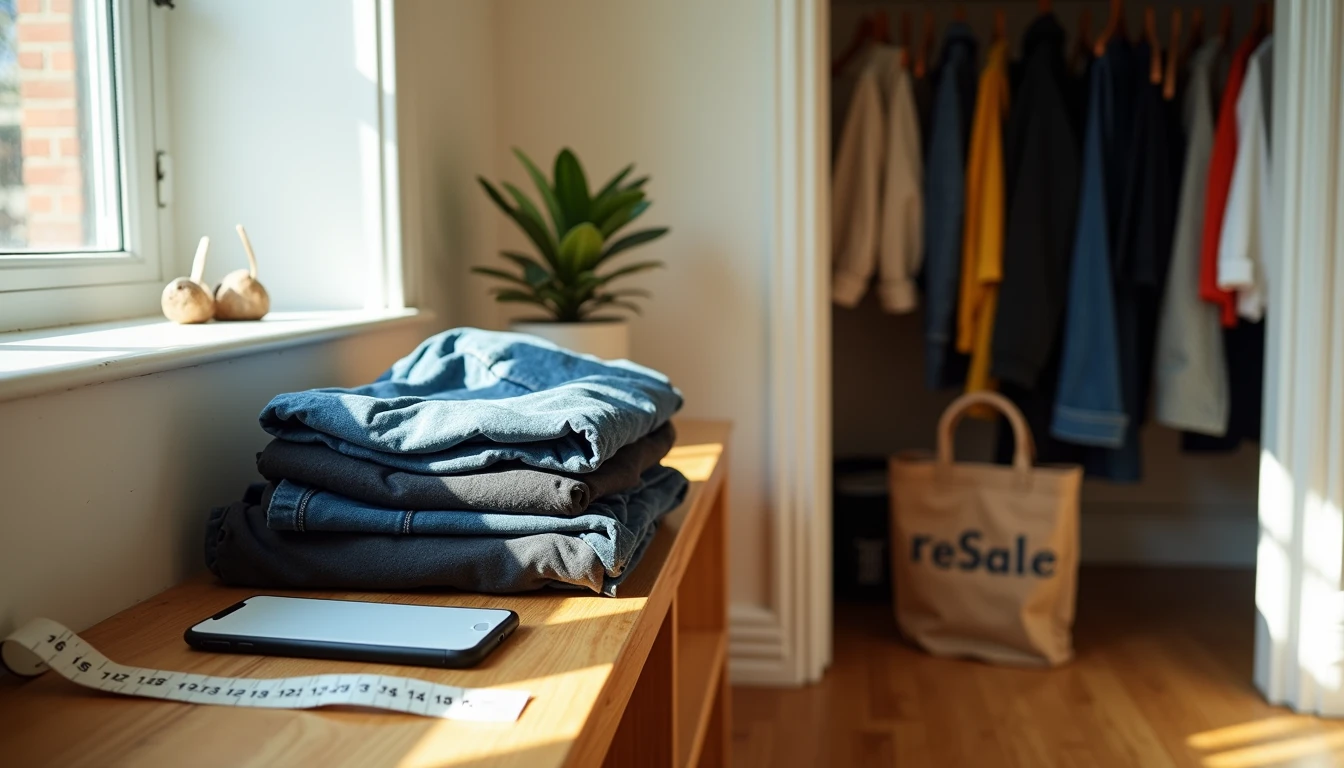
Secondhand is heading for $393B by 2030 — and it’s about to get way more competitive
The Verdict (keep, return, hype, skip)
Hype — but the useful kind. The 2026 Resale Report from ThredUp puts a big, clean number on what a lot of us feel every time we open a resale app: secondhand is no longer a niche “thrift girl” hobby. The global secondhand apparel market is projected to hit $393B by 2030, growing 2X faster than the overall apparel market. Translation for your closet: more selection, more players, and more pressure to shop smarter because the easy, sleepy-era deals are getting harder to find.
And honestly? I’m not mad. I’m Chinese-Canadian, I grew up with aunties who treated bargains like an Olympic sport, and I’ve been modding secondhand communities long enough to watch resale go from “weird internet corner” to “everyone and their coworker is flipping a cart.” This report basically confirms: resale is entering its “grown-up” era.
What I'm Wearing / What's New (specifics: brand, cut, price, fabric)
This isn’t a try-on haul report (there are no brand names, prices, sizes, or fabric contents for specific garments in the source), so I’m not going to pretend I found some miracle blazer because the PDF made me do it.
What’s actually new here is the *state of the market*:
- The report says the global secondhand apparel market is projected to reach $393B by 2030.
- It’s growing 2X faster than the overall apparel market.
- Resale is moving into a “more competitive, structurally complex phase.”
- In the U.S., growth is driven less by brand-new secondhand shoppers and more by share shifts: resale vs. new, platform vs. platform, plus a “fragmented long tail of supply.”
- Three forces reshaping the market: technology reducing friction, consumers embedding resale into their financial lives, and brands playing a growing role.
If you’re a style person (not just an “I need a shirt” person), this matters because it changes how you hunt. When things scale up, you get convenience and variety — but you also get more competition for the good stuff.
How to Style It (concrete outfit formulas, occasion fit)
So what do you *do* with a market report when you just want to get dressed? Here are styling moves that match the reality of a bigger, more competitive resale world — aka: build outfits around “repeatable wins,” not one-off unicorn finds.
Outfit formula 1: The “workhorse base + one interesting thing” uniform
- Base: simple, repeatable staples you can buy secondhand in multiples when you find a fit that works (think: your go-to trouser shape, your go-to layering top).
- Interesting thing: the one resale find that makes people ask where it’s from (a standout jacket, a weird-good skirt, a dramatic shoe).
Why it works right now: when the market gets competitive, the easiest way to stay stylish is to make your closet more modular. You stop depending on constant new finds to feel fresh.
Outfit formula 2: The “photographs well but lives well” weekend set
- Aim for pieces that can do errands, brunch, and a casual dinner without needing a full change.
Why it works right now: social commerce is part of the report’s table of contents, and even if you never post, the vibes of “buyable outfits” affect what’s available. The pieces that sell fast are often the ones that look good on camera — your job is making sure they also work in real life (walking, sitting, weather, transit).
Outfit formula 3: The “tailoring makes it yours” upgrade
If brands are playing a growing role in resale and tech is reducing friction, you’ll see more same-y, easy-to-list basics. Your style edge becomes fit. Hem it, nip it, swap the buttons, shorten the sleeve — small moves that make common pieces look custom.
(Yes, I’m biased. I literally inherited a sewing machine and learned the hard way that five minutes of alteration can make a $20 secondhand piece look like “main character.”)
Sizing & Fit Notes (true-to-size / size up, fabric drape, common pitfalls)
No specific sizing guidance is in the source, so here’s the real-life resale fit intel that connects to what the report *does* say: when growth comes from share shifts and platforms and brands get more involved, listings get more standardized — but bodies do not.
A few fit truths for online resale shoppers (especially if you bounce between North American and East Asian sizing norms):
- Do not rely on the tag size alone. North American sizing varies wildly by brand and era, and older pieces can be cut differently even if the tag number matches your usual.
- Prioritize measurements when they’re available (especially shoulder, bust, waist, rise, inseam). If they aren’t, message for them when possible — or skip if returns are hard.
- Expect “platform effect.” As tech reduces friction, it becomes easier to list and buy quickly. That can mean less time spent on detailed measurements and more “close enough” shopping — which leads to more fit misses if you’re not careful.
Where It Goes Wrong (beginner failure modes I see all the time)
This is the part I wish someone had pinned in every thrift Discord I moderated:
1. Buying for the fantasy life. Competitive resale makes people panic-buy. If you can’t name two places you’ll wear it, it’s probably a no.
2. Ignoring alteration costs and timelines. “Simple hem” can become “why is the lining doing that” in one afternoon. I’ve ruined my own momentum by buying three projects in a row that all needed tailoring.
3. Assuming “frictionless tech” means frictionless fit. Faster checkout doesn’t mean the shoulders will sit right.
4. Not planning for supply fragmentation. The report calls out a fragmented long tail of supply — meaning the good stuff is spread out. If you only shop one platform, you’ll think the market is “bad” when you’re just under-searching.
Worth It? (price-to-wear ratio, who it's for, what to skip)
This report is worth your time if:
- You shop secondhand regularly and you’ve felt the shift from “easy steals” to “why is everything snapped up in 30 seconds.”
- You’re a style-first shopper who wants to understand why your feed is suddenly full of resale “drops,” branded resale programs, and smoother shopping tools.
- You’re trying to build a closet that’s financially realistic (the report explicitly frames consumers embedding resale into their financial lives).
You can skim if:
- You only thrift in-person and you don’t care about the broader ecosystem.
- You were hoping for brand-specific recommendations, garment pricing, or fabric breakdowns — the provided source excerpt doesn’t include those details.
My personal takeaway: secondhand is getting bigger and more competitive, but it’s also getting more normal — and that’s a win if you approach it like a wardrobe strategy, not a treasure hunt that has to pay off every time.