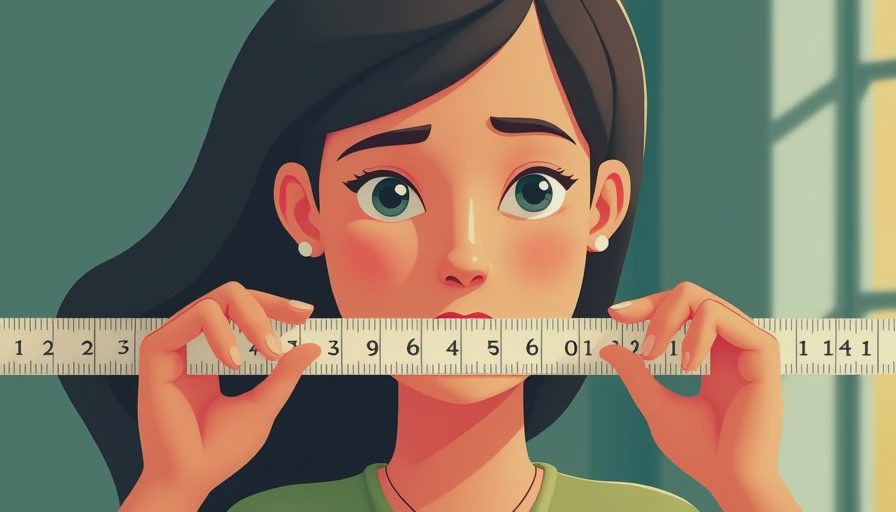
If you have ever stood in a thrifted-fabric aisle, stared at a tape measure, and quietly wondered how **1 yard in inches** works, you are absolutely not alone. No such thing as a stupid question here — let's walk through it. The short answer is simple: **1 yard equals 36 inches**. That single conversion comes up all the time when you are buying fabric, planning hems, cutting panels, or figuring out whether a secondhand curtain, sheet, or tablecloth gives you enough material for a project.
The basic answer: 1 yard equals 36 inches
Let’s start with the part you actually need. **1 yard in inches** is **36 inches**. That means if a fabric listing says 2 yards, you have 72 inches of length. If it says half a yard, that is 18 inches. Quarter yard? 9 inches. Once you know the base number, the rest gets much easier.
This matters because fabric is usually sold by length, while sewing patterns and body measurements often feel easier to picture in inches. If you are making a tote bag, adding a ruffle, or cutting bias strips from a thrifted cotton sheet, inches help you plan more accurately.
Here’s what belongs / what doesn't:
- **Belongs:** 1 yard = 36 inches
- **Belongs:** 1/2 yard = 18 inches
- **Belongs:** 1/4 yard = 9 inches
- **Doesn't:** Assuming a yard means the same thing as a square yard in fabric shopping
That last one trips people up. In most sewing situations, a yard refers to **length**, not a full square measurement.
Why this matters when you buy fabric or thrift materials
When you shop secondhand, measurements are not always labeled neatly. You might find vintage yardage rolled up with no tag, or a resale listing that says “about a yard” with one blurry photo. Knowing **1 yard in inches** helps you check quickly whether the fabric is useful for your idea.
For example, a standard yard gives you 36 inches of length, but the width depends on the fabric. Many apparel fabrics are around 44 to 45 inches wide, while some home decor fabrics are closer to 54 inches or more. So one yard is not just “a chunk of cloth.” It is **36 inches long by the fabric’s full width**.
Here’s what went wrong + how I fixed it: early on, I bought a thrifted piece thinking one yard would be enough for a gathered skirt panel. I remembered the 36-inch length, but forgot the width was narrow. I could still use it, just not for the original plan. Since then, I always write down both numbers before buying: **length and width**.
Quick yard-to-inch conversions you will use all the time
Once you memorize **1 yard in inches**, a few common conversions save a lot of time at the cutting table. You do not need to be fast at math. A sticky note in your sewing box works just fine.
Here are the conversions most beginners use most often:
- 1 yard = 36 inches
- 2 yards = 72 inches
- 3 yards = 108 inches
- 1/2 yard = 18 inches
- 1/3 yard = 12 inches
- 1/4 yard = 9 inches
- 1/8 yard = 4.5 inches
These are especially handy for patchwork, facings, waist ties, and small upcycling jobs. If you are cutting from a donated bedsheet or oversized dress, you can also flip the thinking around: measure the usable inches first, then divide by 36 to estimate yardage.
A simple example: if a fabric piece measures 54 inches long, divide 54 by 36. That gives you 1.5 yards. If it measures 27 inches long, that is 3/4 yard.
You do not need a fancy calculator for this. A phone, tape measure, and a calm minute are enough.
How to measure accurately before you cut
The easiest way to waste fabric is to rush the measuring step. If you know **1 yard in inches** but your tape is crooked, your cut can still go sideways.
Here is a beginner-friendly way to measure fabric:
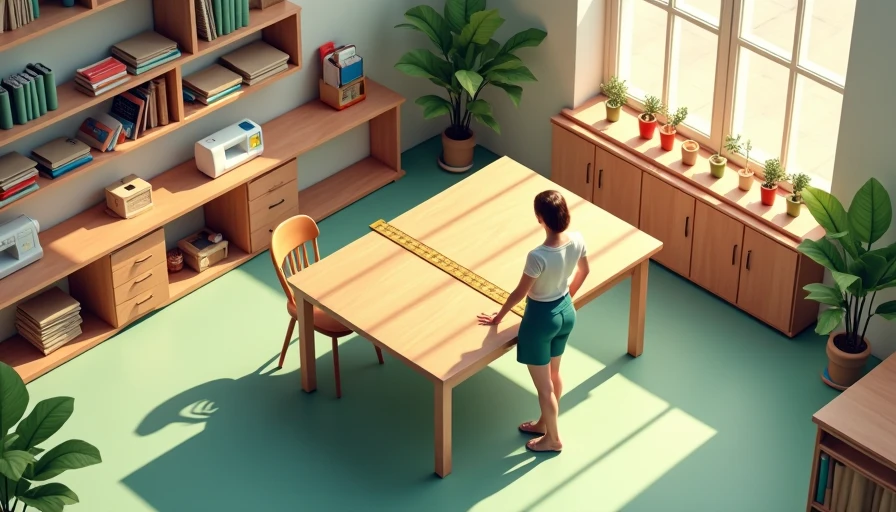
- Lay the fabric flat on a table or clean floor.
- Smooth wrinkles without stretching the fabric.
- Line up the tape measure with the straight grain or finished edge.
- Mark your measurement with chalk, clips, or washable pen.
- Double-check before cutting.
If your fabric is slippery, pin the corners or use pattern weights. If it is thrifted and a little warped from washing, square up one edge first. That gives you a cleaner starting line.
Test results inside: the cheap flexible tape measures from big-box craft stores are fine for most jobs, but if yours has stretched or cracked near the end, replace it. A clear quilting ruler can also help for short cuts like 9 inches or 18 inches.
Common sewing and upcycling examples using one yard
A lot of projects start to make sense once **1 yard in inches** feels natural. Thirty-six inches is enough length for many small and medium makes, depending on width and fabric type.
One yard can often work for things like:
- Pillow covers
- Simple tote bags
- Small aprons
- Ruffle trims
- Children’s clothing pieces
- Headbands, scrunchies, or sash belts
- Patchwork backing for smaller projects
For clothing, one yard is usually not enough for many adult garments unless the piece is simple, cropped, or cut creatively. But for upcycling, one yard can go surprisingly far. A thrifted curtain panel with a 36-inch usable section can become bag panels, pocket pieces, or a matching set of accessories.
If you are buying online, ask the seller for three things: total length, total width, and whether there are stains, fade lines, or cutouts. A full yard sounds great until six inches in the middle are unusable.
The easy takeaway to remember
If you only remember one thing from this guide, make it this: **1 yard in inches is 36 inches**. That is the core conversion behind a lot of fabric shopping, sewing math, and upcycling decisions. Once that number sticks, quarter-yard and half-yard cuts stop feeling mysterious.
Keep it practical. Write 36 on a note in your sewing kit, save the common conversions on your phone, or mark them inside your project notebook. No such thing as a stupid question here — every sewist has had a moment of blanking on a basic measurement.
And honestly, getting the math right before you cut is one of the cheapest sewing upgrades you can make. It saves fabric, prevents bad layout choices, and makes thrift finds much easier to judge. If you can remember that one yard equals 36 inches, you are already in a much better spot for your next project.

No notes yet — write the first one.