
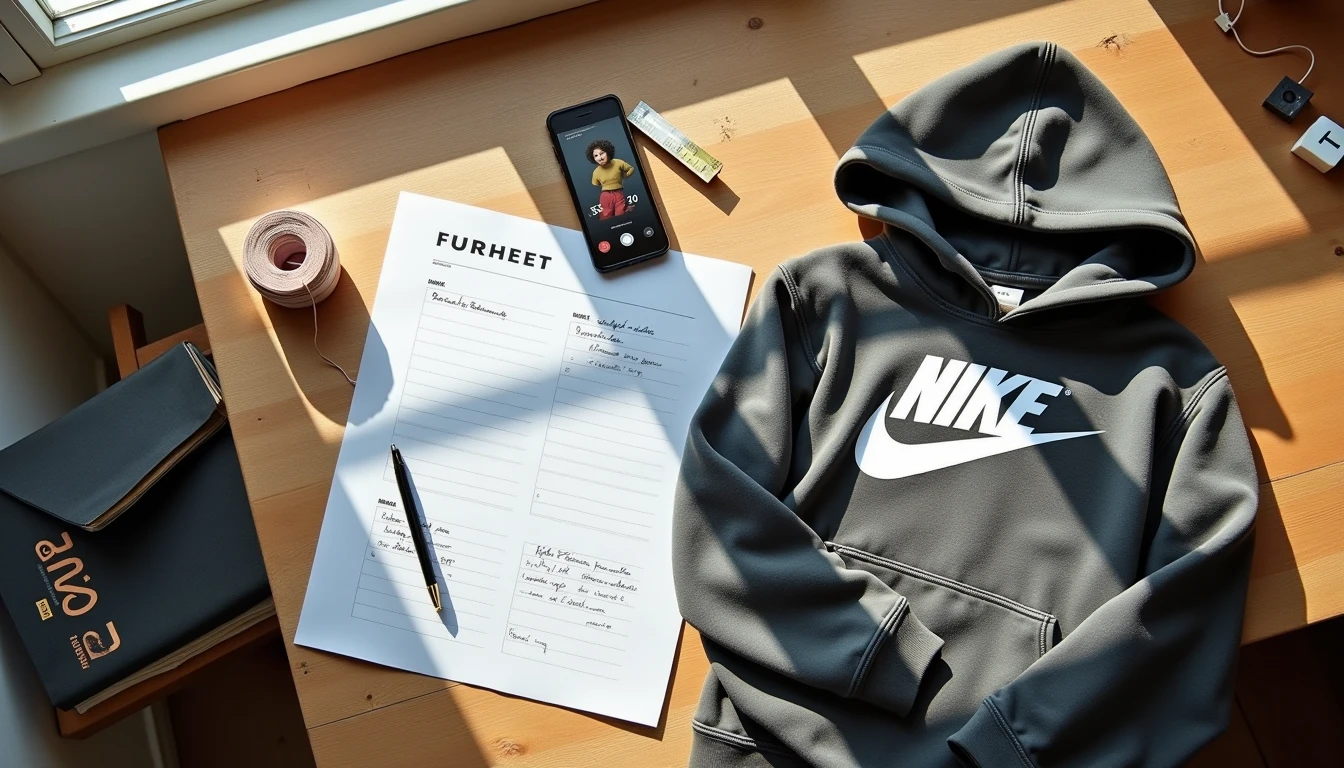
Stop underselling your vintage: the 2x pricing rule + 5-minute market check that actually works
The Verdict (keep, return, hype, skip)
Pricing vintage isn’t about pulling a number out of the air — it’s a strategy. If you want pieces to move without you quietly donating your profit margin, the simplest “works-in-real-life” system is: research sold prices for 5 minutes, then cap your markup at 2 to 2.5x your cost (max), and adjust based on where you’re selling. That’s it. No gatekeeping, no “you need to be an expert,” just repeatable math plus platform vibes.
And yes: you can absolutely do this even if you’re new and staring at a pile of hoodies wondering what’s fair.
What I’m Selling / What’s New (specifics: brands, example prices, the math)
You’ve done the hard part already: you received your vintage clothing bundle, sorted it, and took photos. Now comes the moment that makes people freeze: “How much should I list it for?”
Start by figuring out the true value of each piece using four quick checks:
- Brand: Is it Nike, Adidas, Ralph Lauren, Lacoste?
- Condition: Like new? Lightly worn? Small stain?
- Rarity: Is it a classic or harder to find?
- Style: Is it on-trend right now? (Think Y2K, old money, streetwear.)
The source gives a super useful example that shows how small details change pricing fast:
- A basic Nike hoodie in good condition: €20–€35
- A rare 90s Nike hoodie with an embroidered logo: €50–€70
Same general category (Nike hoodie), totally different ceiling because rarity and details matter. This is exactly why “all hoodies are €25” pricing eventually bites you.
Now the part I wish someone had told me when I first moderated thrift-haul groups and watched people burn out: use the 2x rule (max) so your pricing stays sane. United Vintage says most of their resellers do this:
- Resell each item for 2 to 2.5x the purchase price.
They even break it down with a bundle example:
- A branded 10kg bundle at €170
- About 25 pieces
- Average cost per item: €6.80
- Target resale price per item: €14–€20
- Result: a solid net margin (after fees)
That “after fees” note is not sexy, but it’s real life. Your sticker price is not your take-home.
How to Price It Like a Stylish Friend (not a spreadsheet robot)
Here’s the workflow I’d give a friend in my Stitch & Swap Talk community who’s trying to price without spiraling:
1) Pick up the item and do the four checks (brand, condition, rarity, trend).
This is where you decide if it’s “basic” or “special.”
2) Do a 5-minute market scan before you list.
The source recommends checking:
- Vinted: search similar items and filter by “sold items”
- Instagram: look at what similar resellers are offering
- TikTok: look at pricing in live sales or video descriptions
That “sold items” filter is the difference between fantasy pricing and what actually moves.
3) Apply the 2x to 2.5x cap to protect your margins *and* keep your expectations realistic.
If you paid about €6.80 per piece from a bundle, €14–€20 is a clean starting target for many items, and then you flex up or down based on demand.
Adjust by Platform (same item, different pricing energy)
This part matters more than newbies expect: platform culture changes what buyers will tolerate. The source lays it out clearly:
- On Vinted: buyers look for good deals → focus on volume
Translation: don’t expect everyone to pay “curated shop” prices. Vinted shoppers are often comparing 10 similar listings.
- On Instagram: you can charge more thanks to visuals and branding
Translation: if your photos are strong and your storytelling is clear, people pay for curation and confidence.
- On TikTok: play the “love at first sight” card to sell standout pieces fast
Translation: your most eye-catching pieces can move quickly if they hit that impulse-buy moment.
If you’re Chinese-Canadian like me, this also mirrors how different shopping ecosystems feel: some spaces are bargain-hunt culture, some are “I trust your taste, just ship it to me.” Same item, different psychology.
Sizing & Fit Notes (common pitfalls that change price)
The source doesn’t give specific size guidance, but it *does* give pricing factors that affect fit expectations in practice:
- Condition is pricing: “like new” vs “small stain” should not be priced the same.
- Rarity and details are pricing: a “rare 90s” piece with an “embroidered logo” earns a higher bracket than a basic version.
- Trend is pricing: if the style is currently hot (Y2K, old money, streetwear), you can price closer to the top of your range *as long as the market scan supports it.*
If you’re unsure, don’t overcomplicate it: pick a price in your range, then use the testing method below.
Test, Learn & Track (this is how you stop guessing)
United Vintage suggests a simple, non-dramatic way to adjust:
- List an item at €25
- If no bites, drop to €22, then €20
That’s the mindset shift: the goal isn’t to sell everything in 24 hours. It’s to find what works for *your* stock and *your* audience.
Track three things:
- What sells fast
- What sits too long
- Which platform works best
If you do this consistently, you’ll improve “10x faster” (their words), because you’re building your own pricing intuition from evidence, not vibes.
Where It Goes Wrong (beginner failure modes I see all the time)
1) Pricing based on what you “feel” it’s worth instead of sold comps.
If you don’t check sold items on Vinted, you can end up pricing for an imaginary buyer.
2) Charging rare-piece prices for basic pieces.
A basic Nike hoodie and a rare 90s Nike hoodie with an embroidered logo are not the same listing, even if they look similar on a hanger.
3) Ignoring platform behavior.
Pricing like Instagram on Vinted is a fast track to “why is nothing moving?” Pricing like Vinted on Instagram can mean you sell quickly but leave money on the table.
4) Never adjusting the listing.
People take “no sales” personally and freeze. Don’t. Use the source’s step-down approach: €25 → €22 → €20.
Worth It? (price-to-wear ratio, who it’s for, what to skip)
If you want to sell vintage “profitably without underselling” (the source’s promise), this system is worth using because it’s repeatable:
- Use 2x to 2.5x your cost to set a rational ceiling.
- Do quick market research across Vinted, Instagram, and TikTok.
- Adjust by platform instead of forcing one price everywhere.
- Track results so every listing teaches you something.
Who it’s for: anyone reselling branded vintage (the source calls out Nike, Adidas, Ralph Lauren, Lacoste) who wants margins without dead stock.
What to skip: pricing every piece the same just to be done. It feels efficient, but it usually means you undersell your best items and overprice your basics — the worst of both worlds.