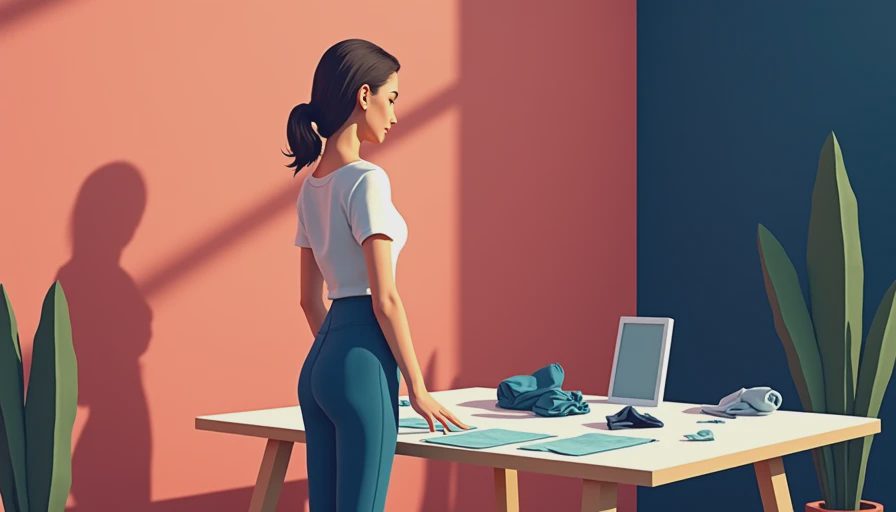
If you love thrifting but struggle to make those finds fit just right, learning to work with **female clothing patterns** is a game-changer. Patterns let you turn a shapeless dress or oversized blazer into something custom-made. No such thing as a stupid question here — let's walk through the basics of finding, adjusting, and using patterns for your upcycling projects.
Why Female Clothing Patterns Matter for Upcycling
When you bring home a thrifted piece, it's rarely perfect off the rack. Maybe the waist is too loose or the sleeves are too long. That's where **female clothing patterns** come in — they give you a blueprint. By matching a pattern to your measurements, you can alter any garment with confidence. I've botched plenty of projects by eyeballing it, and trust me, a good pattern saves time and fabric. Whether you're a total beginner or a seasoned sewist, having a solid pattern library makes every transformation easier.
Where to Find Free and Affordable Female Clothing Patterns
You don't need to spend a fortune. Here's where I find my favorite **female clothing patterns**:
- **Thrift stores themselves** — yes, vintage patterns are often buried in the craft section. Look for envelopes with intact pieces; you can usually get them for under $2.
- **Online freebies** — Sites like Mood Fabrics and BurdaStyle offer free downloadable patterns. Print them at home or at a copy shop.
- **Trace from existing clothes** — If you have a well-fitting top or skirt, you can trace its shape onto tracing paper. This is my go-to for custom **female clothing patterns** without any cost.
- **Library rental** — Some public libraries lend out pattern kits. Check your local branch.
Pro tip: always check the size chart on the envelope — vintage sizing runs smaller than modern sizes.
Step-by-Step: Adjusting a Pattern to Your Body
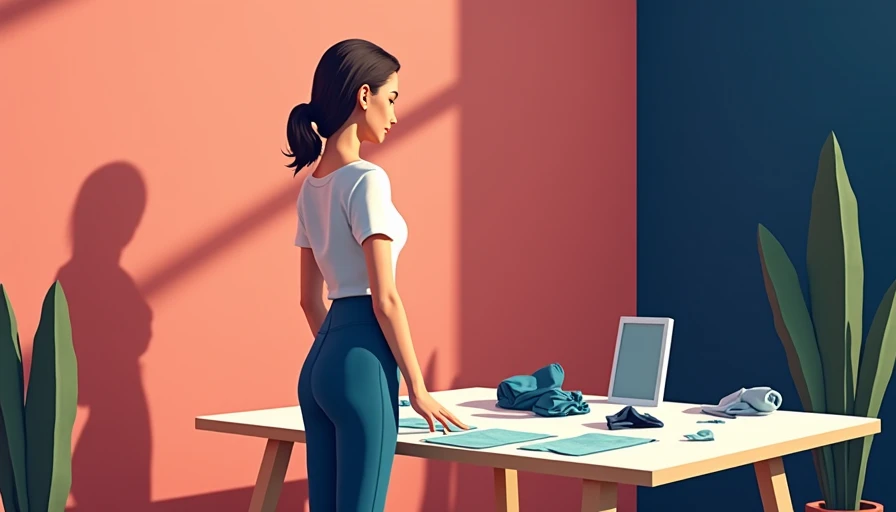
Once you have a pattern, you need to adjust it for your measurements. Most commercial **female clothing patterns** come in multi-size ranges, so you can cut the line that matches your bust, waist, and hips. But if you're between sizes (like I often am), here's how to blend:
- **Take your measurements** — bust, waist, hips, and back length. Write them down.
- **Compare to the pattern's size chart** — find the closest size for each measurement.
- **Draw a curve** connecting the size lines — for example, use the bust line for size 12, but the waist line for size 14. Blend smoothly between them.
- **Make a muslin mock-up** — sew a quick test version in cheap fabric to check fit before cutting into your thrifted piece.
No such thing as a stupid question here: if the pattern pieces seem too small, add a seam allowance adjustment. I learned this after ruining a nearly perfect vintage dress.
Using Female Clothing Patterns to Upcycle Thrifted Garments
Now for the fun part — transforming your finds. Let's walk through one of my favorite projects: turning a men's XXL button-up into a fitted women's blouse using **female clothing patterns**.
- **Choose a pattern** — Pick a simple pattern that matches the silhouette you want, like a fitted shirt or blouse.
- **Disassemble the thrifted shirt** — Carefully remove buttons, collar, sleeves, and side seams. Press all pieces flat.
- **Pin the pattern pieces** — Align the grainline with the shirt's grain (usually along the length of the shirt). Cut out each piece.
- **Reassemble** — Sew according to the pattern instructions. Use the original buttons for a cohesive look.
I've done this with three shirts so far, and each one came out uniquely perfect. The pattern ensures the fit is consistent, even if the fabric is unpredictable.
Tools Every Pattern User Needs
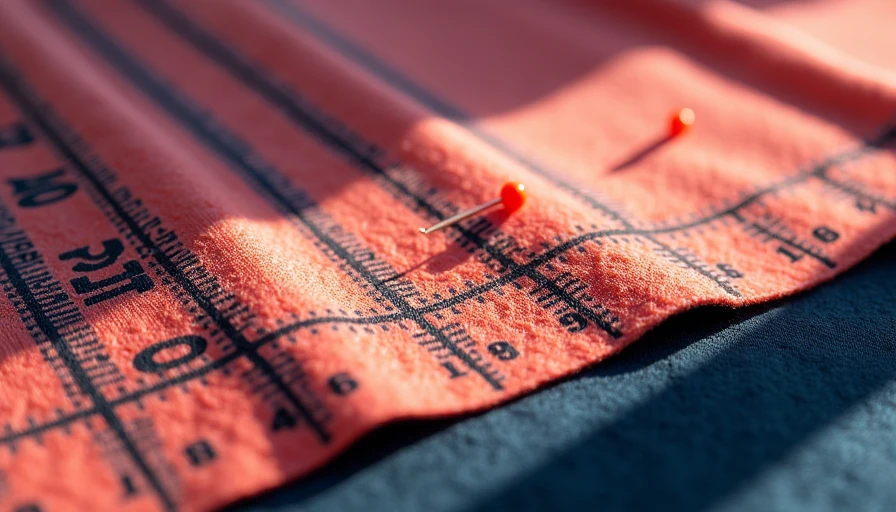
To work with **female clothing patterns** efficiently, grab these basics:
- **Tracing paper and a marking wheel** — for copying patterns without cutting the original.
- **Pins (lots of them)** — glass-head pins are heat-resistant for ironing.
- **Rotary cutter and mat** — much easier than scissors for cutting pattern pieces.
- **Measuring tape** — flexible for body measurements.
- **Fabric scissors** — dedicated scissors for fabric only (never paper).
- **Seam gauge** — for hemming and seam allowances.
I started with just a pair of dull scissors and a lot of guesswork. Trust me, the right tools make a huge difference.
Common Beginner Mistakes and How to Fix Them
Even with **female clothing patterns**, things can go sideways. Here are the pitfalls I've hit and how to avoid them:
- **Ignoring grainline** — If you don't align the grain arrow on the pattern with the fabric's grain, your garment will twist. Fix: mark the grainline with a highlighter before cutting.
- **Skipping the muslin** — I know it feels like extra work, but a test run saves heartbreak. Use cheap cotton or an old sheet.
- **Cutting the wrong size** — Double-check your measurements against the pattern's size chart. I once cut a 14 thinking it matched my 34-inch bust — it didn't. Always verify.
- **Forgetting seam allowances** — Most patterns include 5/8" seam allowance, but some indie patterns don't. Read the instructions!
No such thing as a stupid question here: if you cut a piece too small, you can often add a inset strip of fabric to make it work. I've saved several projects with a contrasting band.
Ready to Start? A Final Encouragement
Working with **female clothing patterns** opens up endless possibilities for your thrifted wardrobe. Start with a simple pattern — a basic A-line skirt or a fitted tee — and practice on fabrics you don't love. Every mistake teaches you something. And if you get stuck, drop a question in the StitchSwapTalk community. We've all been there.
Happy stitching!



No notes yet — write the first one.