Hosting a clothing swap is the fastest way to “shop” a new wardrobe with zero new production
The Verdict (keep, return, hype, skip)
Hype — with rules. A clothing swap is the rare fashion event that actually delivers: new-to-you pieces, real community energy, and the kind of sustainable impact that doesn’t require you to buy a single “eco” product. But it only feels fun (not feral) if you run it with a simple system: tokens or points, clear condition standards, and timed shopping waves.
If it’s your first time hosting, skip the free-for-all. Go token-based. It’s the difference between “cute, curated swap” and “why is one person holding 17 sweaters like it’s a sample sale.”
What I’m Wearing / What’s New (the swap setup that makes it feel stylish, not chaotic)
A clothing swap, in practice, is a community event where people bring good-condition items and take home “new-to-them” pieces. The vibe can be anything from cozy living-room hang to mini boutique, depending on how you structure it. Here are the formats Lexy Silverstein recommends, plus how I’d pick:
- Token-based: Each accepted item earns 1 token, and attendees “spend” tokens to take pieces. This is the easiest “fair” system and the most beginner-friendly.
- Point-based: Tier by category (example given: coats = 3 pts, denim = 2, tees = 1). More admin, but it prevents the “one coat equals one tank top” imbalance.
- Open swap (free-for-all): Timed shopping windows; volunteers restock tables. Great vibe, light admin, but you really want a soft take limit.
Lexy’s pro tip is the one I co-sign hard: Token or point systems are best for first-time hosts.
Scope, categories, and the part people forget (condition standards)
You can keep it broad (“All categories welcome”) or go themed (examples: “Fall layers,” “Workwear,” “Holiday partywear”). For accepted categories, Lexy lists:
- Tops, bottoms, dresses, knitwear, outerwear, footwear, bags, accessories, jewelry
And yes, you should consider separate bins for:
- kidswear, petites, tall, menswear, gender-free
The make-or-break detail: condition standards. The source is very clear: items should be clean, odor-free, with no holes, pilling, broken zips, or missing buttons (unless you’re set up for visible mending). That “odor-free” line is not personal — it’s just what keeps your swap feeling like a boutique, not a laundry room.
How to Style It (outfit formulas… for your swap itself)
You’re not styling a single “it” item here — you’re styling an experience. The best swaps feel like a shop where everything’s already been edited. Here’s the formula I’d steal directly from Lexy’s process and make it look intentional:
1) Run it like a pop-up boutique
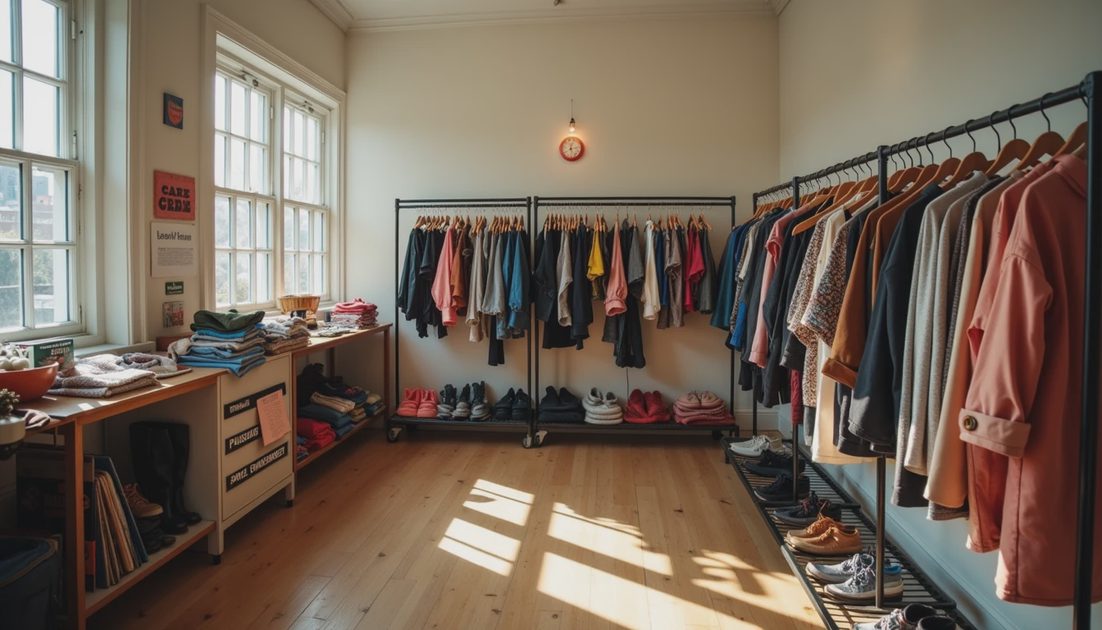
- Sizing zone: Use XS–XXL dividers on racks and label tables by category.
- Keep outerwear and knitwear together if you’re doing a “Fall layers” theme, or separate if it’s all-categories (people will gravitate to coats first).
2) Make a “try-on corner” so people actually wear what they take
Lexy’s layout suggestion is practical and underrated:
- A mirror corner plus 2–3 pop-up fitting screens
- Add seating and keep aisles clear (more on accessibility below)
3) Add a “care corner” so pieces look their best in real time
This is the cheat code to making secondhand feel elevated:
- Lint rollers, steamer, fabric shaver, mini sewing kit
Suddenly that great-condition black knit doesn’t look “almost,” it looks ready.
4) Shop in waves so everyone gets a fair shot
Lexy suggests:
- Shop in waves of about 10–15 minutes
- Restock between waves
This keeps it from turning into a scrum and gives people time to try on thoughtfully.
Sizing & Fit Notes (yes, even swaps have fit realities)
Swaps are amazing, but fit is where people spiral. Here’s what helps, straight from the source’s hosting guidelines:
- Check-in inspection: Volunteers review items; unacceptable items go to a “repair/recycle” bin or back to guests. This protects the overall quality so people trust the racks.
- Bring up to [X] items: You’ll choose the number. Just set a cap so sorting doesn’t eat your entire day.
- Tokens per accepted item: This is what prevents over-taking and keeps the energy friendly.
And a quick cultural sizing reality I see all the time in my Toronto community: North American swaps tend to have a broader spread of sizes on the racks, while many East Asian shopping ecosystems (especially online) skew toward limited sizing runs. A swap is one of the rare places where you can actually try on a wide range of real garments in one room — but only if you label zones clearly (XS–XXL dividers help a lot) and keep categories separated.
Accessibility and comfort are part of “fit,” too
Lexy calls out:
- Provide seating
- Clear aisles
- Priority access on request
This is the difference between “everyone welcome” and “only fun if you can stand and hustle for an hour.”
Where It Goes Wrong (beginner failure modes I’ve seen and lived)
1) You skip the condition standard because you feel awkward.
Then half the rack is pilled knits and broken zippers, and people leave with nothing. Put the rules on the RSVP page and on signage so it’s not personal.
2) You do an open swap with no structure.
Free-for-alls can be cute, but first-time hosting needs guardrails. Tokens or points stop the “power shopper” problem.
3) No volunteers = you become the entire event staff.
Lexy is right: volunteers are the secret. You need people for intake, tokens/traffic flow, and restocking.
4) No mirrors or fitting screens.
People grab based on vibes, can’t try on, then either over-take “just in case” or leave disappointed. Even 2–3 pop-up fitting screens changes everything.
5) No plan for leftovers.
Lexy’s approach: leftovers go to pre-announced partners, with a clearly labeled “Leftovers donation” area. That clarity keeps you from ending the night surrounded by mystery bags.
Worth It? (who it’s for, what to skip, and the real ROI)
A clothing swap is worth it if you want wardrobe refresh energy without new production emissions or packaging waste — Lexy calls swaps “proof that style and sustainability can coexist,” and I agree. You’re trading in circulation, community, and real outfits.
It’s especially worth it if:
- You have a group that loves fashion but is budget-conscious
- You’re tired of “nothing to wear” while your closet is full
- You want a low-waste event that feels joyful, not preachy
What I’d skip for your first one:
- A complicated point system unless you have admin help
- A totally unstructured free-for-all
- Accepting everything “to be nice” (it backfires)
The supply list that makes you look like you’ve done this before
From Lexy’s checklist, don’t ignore:
- Rolling racks, hangers, size markers, folding tables, signage, sharpies, tape
- A tool tote: lint/fabric shaver/steamer
- Mirrors
- Token/raffle tickets
- QR code signs
- Hand sanitizer
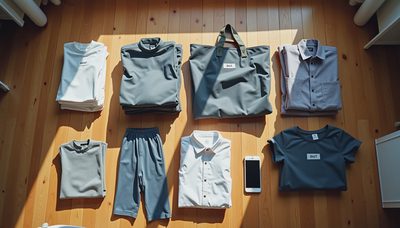
And yes: BYO bag for guests to carry treasures home. It’s practical and it quietly reinforces the low-waste vibe.


No notes yet — write the first one.