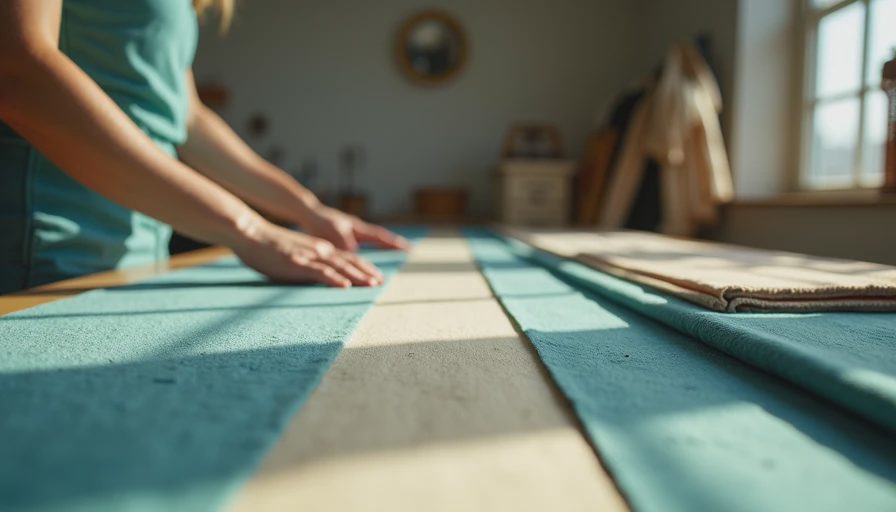
A **variety of fabric** can make thrifting and DIY projects way more fun, but it can also get confusing fast when every tag feels different and every bolt at the store looks promising. No such thing as a stupid question here — let's walk through it. If you want to sew, mend, dye, or flip a secondhand find into something wearable, knowing how different fabrics behave will save you time, money, and a few avoidable disasters.
Why fabric variety matters more than most beginners expect
When people first get into upcycling, they often focus on color, print, or whether a piece looks trendy. That makes sense, but fabric content usually decides whether a project will be easy or frustrating. Cotton tends to be beginner-friendly because it presses well, sews predictably, and usually handles small mistakes better than slippery fabric. Polyester can be durable and cheap, but it may not breathe well and can be annoying to press. Rayon drapes beautifully, though it can shift while cutting and sometimes shrinks if washed carelessly.
A real variety of fabric means each material has its own strengths, limits, and care needs. Denim can handle patches and heavy topstitching. Linen wrinkles, but many people love the lived-in look. Silk feels great, though it shows needle marks and can be less forgiving. Knit fabrics stretch, which is useful for comfort, but they often need the right needle and a stitch that moves with the fabric. Once you understand that behavior matters as much as appearance, shopping secondhand gets easier and your finished projects look better.
How to identify common fabrics when tags are missing
A lot of thrifted clothing either has faded labels or no labels at all, so learning to read fabric by touch is a practical skill. Start with the basics. Cotton usually feels soft, breathable, and a little matte. Linen often has visible slubs and a crisp hand. Polyester can feel smooth or slightly slick, and it often rebounds well when scrunched. Wool usually feels warm and springy. Rayon and viscose often have a cool, fluid drape that makes garments hang nicely.
Here's what belongs / what doesn't: stretch does not always mean spandex, and softness does not always mean natural fiber. Blends are everywhere. A cotton-poly tee, for example, behaves differently from 100% cotton. One of the easiest tricks is the wrinkle test. Gently squeeze a section in your hand for a few seconds. If it wrinkles hard, it may have linen or cotton. If it snaps back quickly, it likely contains polyester or another synthetic.
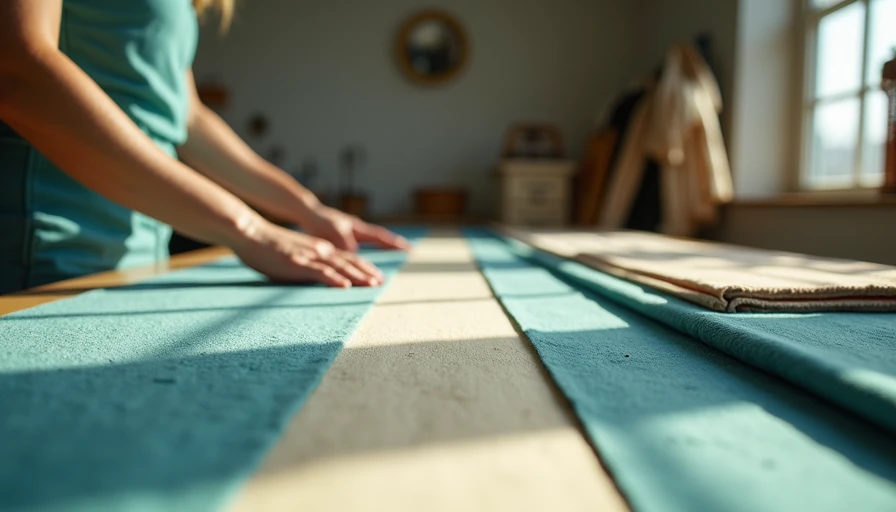
If you can, check seams, hems, and the wrong side of the fabric. The inside often tells you more than the outside finish. I have definitely bought a piece thinking it was sturdy cotton, only to get home and realize it was a lightweight blend that shifted all over the cutting table. Here's what went wrong + how I fixed it: I stopped treating it like quilting cotton, used more pins, lowered my iron heat, and cut one layer at a time.
Best fabrics for beginner sewing and simple upcycles
If you're staring at a thrift rack and wondering what is easiest to work with, start with woven cotton, cotton blends, denim, and stable linen blends. These are usually the least dramatic on a home machine. Old men's button-down shirts are excellent practice material for patchwork, tote bags, aprons, and skirt hacks. Cotton sheets from thrift stores are also useful if you want cheap fabric for mock-ups before cutting into a garment you love.
For beginners, a variety of fabric is helpful, but not every option belongs in your first few projects. Slippery satin, very stretchy jersey, sequined mesh, and thick coated upholstery fabric can all be frustrating if you're still learning how to cut straight and sew consistent seams. That does not mean never use them. It just means save them for later or test on scraps first.
A basic setup goes a long way: sharp fabric shears, a seam ripper, pins or clips, universal needles, and an iron. If you sew knits, switch to a ballpoint needle. If you sew denim, use a heavier needle. Small changes like that can prevent skipped stitches and fabric damage without requiring expensive gear.
How fabric choice affects mending, dyeing, and fit
Not every fabric takes repair or dye the same way, and this is where many thrift flips go sideways. Natural fibers like cotton, linen, and some rayons usually absorb dye better than polyester. If you've ever tried to overdye a polyester blouse with standard all-purpose dye and got a sad, uneven result, you are not alone. Polyester generally needs dye made for synthetics plus high heat, which is more effort than many beginners want for a casual project.

Mending also depends on the fabric structure. Woven fabrics are easier to patch neatly because they stay relatively stable. Knits can curl at the edges and stretch out while you're sewing. Delicate silk or sheer synthetics may show every repair, so sometimes visible mending is the better choice than trying to hide it. For fit changes, sturdy fabrics hold reshaping better, while drapey fabrics can look amazing but require more careful pinning and pressing.
If a piece is worth real effort, test everything first. Wash a hidden area, try your iron on a seam allowance, and stitch a sample before committing. That 10-minute test can save a full afternoon of regret.
Smart thrift shopping tips when you want a variety of fabric
A good thrift trip gets easier when you stop shopping only by category and start shopping by material. Touch sleeves, inspect hems, and hold garments up to the light. Thin spots, shine marks, pilling, and stress at the seams can tell you whether a fabric still has life left in it. I also recommend checking how a garment falls when hung. If the shape is fighting itself on the hanger, there may be hidden stretching or warping.
When building a stash, aim for a variety of fabric with a purpose. Keep sturdy cotton for practice, denim for patching, linen blends for breathable summer projects, and one or two special pieces for when your skills grow. That is more useful than buying random cheap yardage you never touch.
If you're shopping online through resale apps, ask for close-up photos of weave, stretch, and care tags. A seller may not know exact fiber content, but they can often show texture and drape. No such thing as a stupid question here — asking for better fabric details is smart, not picky.
Final takeaway: learn fabric behavior, not just fabric names
The biggest lesson with any variety of fabric is that names matter less than behavior. Ask simple questions: Does it stretch? Does it wrinkle? Does it fray? Does it hold a press? Does it drape or stand away from the body? Those answers will guide your project choices better than chasing perfect labels.
Start with forgiving fabrics, test before cutting, and let yourself learn through mistakes. Every sewist has bought the wrong material at least once and every thrifter has brought home a "great idea" piece that turned into a lesson instead. That is part of the process. The more fabrics you handle, wash, mend, and sew, the faster your instincts grow — and your upcycles get better.

No notes yet — write the first one.