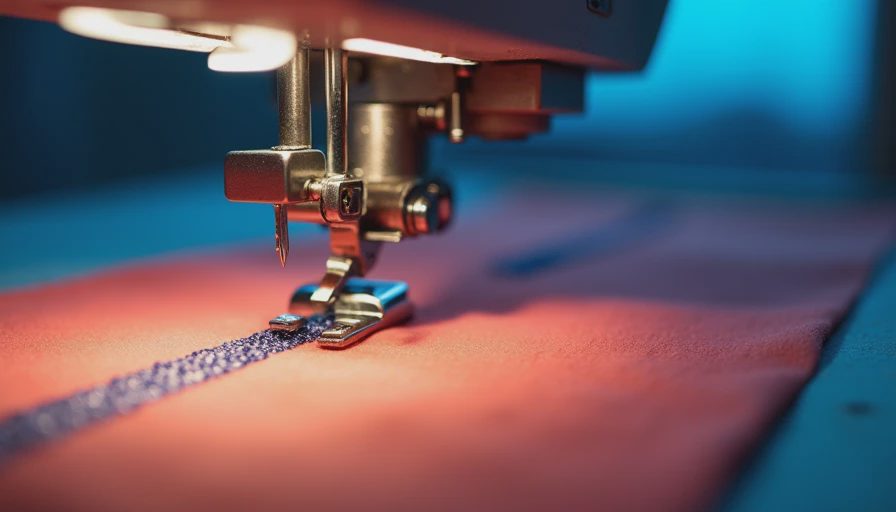
If you're into upcycling thrift finds or adding personalized details to vintage pieces, finding the **best embroidery machine** can feel overwhelming. I've been there—staring at rows of machines with features I didn't understand, wondering if I should spend hundreds or thousands. Over years of stitching (and a few expensive mistakes), I've tested several machines on everything from denim jackets to delicate silk scarves. The **best embroidery machine** for your sewing room depends on what you want to stitch, but I'm here to break down the options without any gatekeeping. No such thing as a stupid question here—let's walk through it.
What to Look for in the Best Embroidery Machine for Upcycling
Before you buy, think about what you'll actually embroider. Are you monogramming thrift store jeans? Embellishing a vintage handbag? Adding patches to a denim jacket? The **best embroidery machine** for big, bulky items like jackets won't be the same as one for delicate blouses. Here are the key features I've found matter most:
- **Hoop Size:** A 4x4 inch hoop is standard for most home machines. It's fine for small designs like monograms and little patches. But if you want to cover a jean jacket back, you'll want a larger hoop—5x7 or 6x10 inches. The **best embroidery machine** for larger projects usually comes with a bigger hoop out of the box.
- **Built-in Designs and Fonts:** If you're new to digitizing, built-in designs save you from buying software immediately. Most machines come with 50-200 designs and several fonts. For upcycling, floral motifs and vintage-style scripts are especially useful.
- **Ease of Use:** Look for a color touchscreen that lets you edit designs without a computer. Automatic needle threading and a drop-in bobbin also make life easier. I've had machines that required a PhD to thread—avoid those.
- **Stitch Quality:** Test the machine at a store if you can, or read reviews from people who've used it on thick fabrics like denim and canvas. The **best embroidery machine** handles these without skipped stitches or fabric puckering.
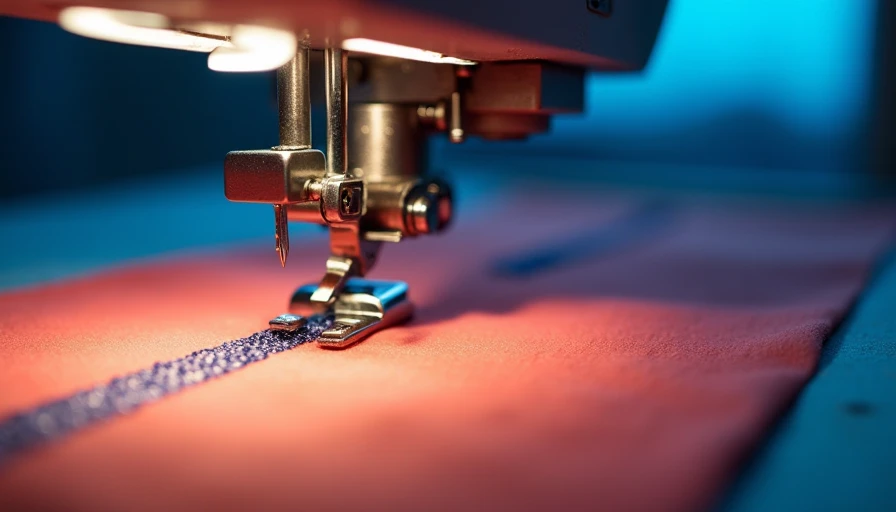
Top 3 Embroidery Machines for Upcyclers (Tested on Real Thrift Finds)
1. Brother PE800
The Brother PE800 is a workhorse for the price. It's a dedicated embroidery machine—no sewing functions—which means it's optimized for stitching. The 5x7 hoop lets you tackle larger designs, and the 138 built-in designs include a nice mix of flowers, borders, and fonts. I've used it to monogram thrifted velvet cushions and add daisy chains to a denim jacket. It's not the fastest, but the stitch quality is consistent. A solid contender for the **best embroidery machine** under $1,000.
2. Janome Memory Craft 400E
Janome is known for smooth sewing, and the MC400E delivers quiet, reliable embroidery. The 7.9x7.9 inch hoop is generous—I've stitched full motifs on the back of a blazer without re-hooping. It comes with 160 designs, including some beautiful ornamental patterns. The machine handles thicker fabrics well; I've embroidered on a wool coat without any issues. The touchscreen is intuitive. If you're ready to invest around $1,500, this might be the **best embroidery machine** for your vintage projects.
3. Singer Futura XL-580
The Singer Futura is a combo machine—you can use it as a sewing machine and switch to embroidery. The 10x6 inch hoop is one of the largest at this price point ($1,000-$1,200). It connects to a computer, so you can download free designs from Singer's site. I've used it to embroider a full panel on a linen slipcover. The learning curve is steeper—you'll need to digitize or download designs. But if you want one machine that sews and embroiders, this is a strong candidate for the **best embroidery machine**.
Tips for Embroidering on Vintage and Thrifted Fabrics
Vintage fabrics can be delicate, stiff, or uneven. Here's how I've adapted my process:
- **Use a stabilizer.** Always use a cut-away stabilizer for knits and a tear-away for wovens. I've ruined a few thrifted pieces by skipping this step. The stabilizer prevents puckering and holds the fabric taut.
- **Test on a scrap.** Before stitching on your actual garment, test the design on a similar fabric scrap. Adjust tension and thread type if needed. I learned this the hard way with a 70s polyester dress that melted under the needle.
- **Go slow on thick seams.** If your design crosses a seam (like on a pair of jeans), make sure the needle can handle the thickness. A size 90/14 embroidery needle works for most denim. The **best embroidery machine** will have enough presser foot lift to clear thicker layers.
- **Consider thread color.** Embroidery thread is thicker than sewing thread. Metallic and variegated threads can be tricky. I stick with rayon or polyester threads for shine and durability.
Frequently Asked Questions About Embroidery Machines for Upcycling
**Q: Do I need a dedicated embroidery machine, or can I use a sewing machine with an embroidery unit?**
A: Both work, but dedicated machines often have larger hoops and more built-in designs. If you're only doing small monograms, a sewing/embroidery combo is fine. For larger projects, a dedicated machine is the **best embroidery machine** choice.
**Q: How much should I spend?**
A: You can find a good used machine for $300-$500 (check thrift stores or Facebook Marketplace), but expect to pay $800-$1,500 for a new machine with a decent hoop size. The **best embroidery machine** for beginners is often the Brother PE535 or PE800—reliable and easy to use.
**Q: Can I embroider on stretchy vintage knits?**
A: Yes, but you'll need a stabilizer for stretch fabrics and a ballpoint needle. Most modern machines handle knits well. The **best embroidery machine** for stretchy materials has adjustable presser foot pressure.
No such thing as a stupid question here—if you're still unsure, head to a local sewing store and test the machines. The **best embroidery machine** is the one that fits your budget and what you'll actually stitch. Happy upcycling!

No notes yet — write the first one.