Coats with toggle buttons are one of those thrift finds that can look either timeless or a little awkward depending on the cut, the fabric, and the condition of the hardware. The good news is that when the bones are right, they are very easy to rescue. A roomy wool coat with solid loops or leather-style fasteners can become a favorite winter layer with a few simple fixes. If you have ever passed one up because the fit looked off on the rack, this guide will walk through what to check, what to repair, and when a small upcycle is worth the effort. No such thing as a stupid question here — let's walk through it.
Why coats with toggle buttons are worth a second look
The appeal of coats with toggle buttons is simple: they feel classic without being precious. A duffle-style coat usually has a relaxed shape, which makes it easier to layer over a sweater or sweatshirt. That also means minor fit problems are often fixable instead of deal-breakers. Look for a coat with clean shoulder seams, a lining that is not shredded, and a front closure that still sits flat. If the toggles are missing, that is not a reason to walk away. Replacement sets are easy to find at sewing shops, on WAWAK, or in small leather and notion stores online. A set of four to six toggles usually costs about $8 to $20, and a tailor may charge more if you want them reattached neatly.
The fabric matters as much as the hardware. Wool blends, melton wool, and heavier cotton canvas all hold up well in cold weather. If the coat feels thin, pills heavily, or has stretched out at the hem, it may not be worth the effort. I also like to tug gently at the button loops and check the stitching around each anchor point. That tiny test tells you a lot about how much life the coat has left.
How to shop coats with toggle buttons at the thrift store
When you are shopping coats with toggle buttons in person, start with the front closure and work outward. Fasten the coat, then check whether the edges meet without pulling. If the front strains across the chest, you may need a size up, because toggles do not forgive tension the way a zipper sometimes can. Next, lift the coat by the shoulders and see whether the fabric sags. A heavy coat should feel substantial, not limp.
After that, inspect the parts most people miss. Check under the collar for wear, look at the cuffs for thinning wool, and flip the lining open if the store allows it. A small lining tear is fine; a big rip near the armhole is more work. If the coat has leather or faux-leather loops, make sure they are not cracking. Dry rot in the loops can turn a good find into a project that keeps unraveling.
Price is part of the decision too. In many US thrift stores, a clean wool coat might run $20 to $60, and vintage labels can go higher. I would rather pay a little more for a coat with straight seams and intact hardware than gamble on a cheap one that needs everything replaced.

Easy fit fixes that make the coat wearable
A lot of people assume coats with toggle buttons have to be worn exactly as found, but that is not true. The easiest fix is often hemming the sleeves. If the sleeves are only an inch too long, a tailor can shorten them or you can fold and hand-stitch the lining if the construction is simple. For a beginner, that is one of the safest wins because it changes the silhouette without disturbing the front closure.
If the coat feels boxy through the body, try moving the side seams a little or adding a belt rather than reshaping the whole garment. A belt can make a straight coat feel intentional instead of oversized. For wool coats, pressing with steam can also help the front lay better. Use a pressing cloth and keep the iron moving so you do not leave shine marks.
Here is what went wrong + how I fixed it: I once found a navy coat that fit in the shoulders but flared awkwardly at the hips. Instead of forcing a complicated resize, I shortened the sleeves, replaced two missing toggles, and added a simple self-fabric tie inside the waist. That tiny change made the coat feel tailored enough for everyday wear.
Repair and upcycle ideas that are actually worth doing
This is where the fun starts. If the coat is structurally sound, small repairs can change it from “nice thrift score” to “I will wear this all winter.” Reattach loose toggles with strong thread and a few extra stitches for support. If the originals are cheap plastic, swap in wood, horn-style, or metal-look replacements that suit the fabric better. A dark wool coat often looks sharper with matte buttons and loops, while a lighter coat can handle a chunkier handmade look.
You can also refresh the coat with details that feel purposeful. Replace a tired collar tab, add patch pockets to cover worn areas, or stitch in a contrasting lining patch where the inside has thinned. If you sew by machine, a walking foot helps with thick layers, but hand-finishing around the closures often looks cleaner. For hand sewing, waxed thread or strong polyester thread is usually enough for a small repair.
If the coat has sentimental value but the outer fabric is too worn, turning it into a cropped jacket or a vest is a fair salvage plan. Not every piece needs a major makeover. Sometimes the best upcycle is the one that keeps the best parts and lets the rest go.
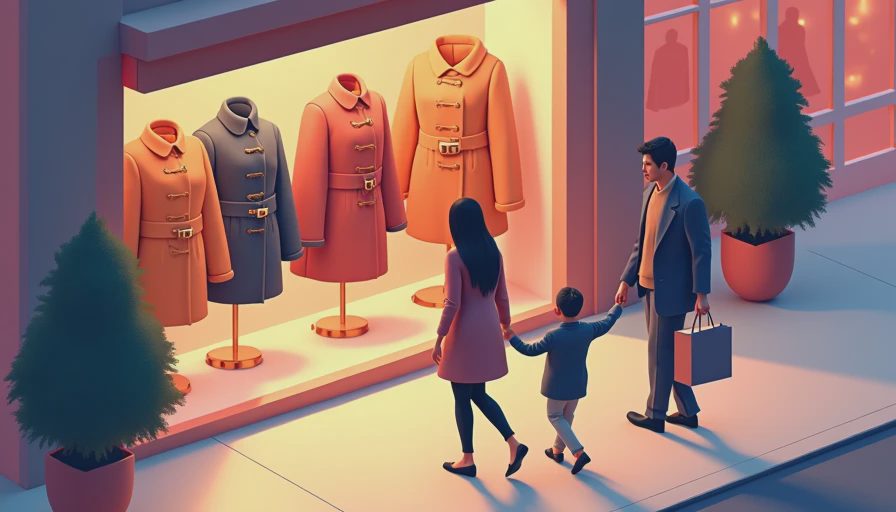
When to walk away and when to grab it anyway
A smart thrift decision usually comes down to structure. If the shoulder shape is good, the fabric is healthy, and the closure can be fixed without special tools, the coat is probably a strong buy. If you see moth holes across the front panel, bad odor that will not air out, or lining damage so severe that the coat twists when you wear it, skip it unless you want a deep project. That is true even for beautiful coats with toggle buttons, because cosmetic charm does not cover a failing base.
When the coat is close but not perfect, ask whether the repair is cheaper than replacement. A few dollars for toggles, a little hand sewing, and maybe a $30 tailoring visit can still leave you with a coat that would cost far more new. That is the sweet spot for secondhand shopping: you get a better material, a better story, and a piece that fits your body instead of the mannequin on the rack. If you find one that passes the shoulder test, do not overthink it. Take it home, clean it properly, and give it the small fixes that make it yours.





No notes yet — write the first one.