That $400 designer blouse is beautiful, but the price tag makes your wallet hurt. Sewing your own version is more realistic than most people think. Designer dupe sewing patterns let you recreate the high-end look with fabric from your local thrift store and a weekend of focused stitching. I've made several myself, with mixed results. Here's what I've learned about finding the right pattern and getting that expensive finish without the boutique price.
What Are Designer Dupe Sewing Patterns?
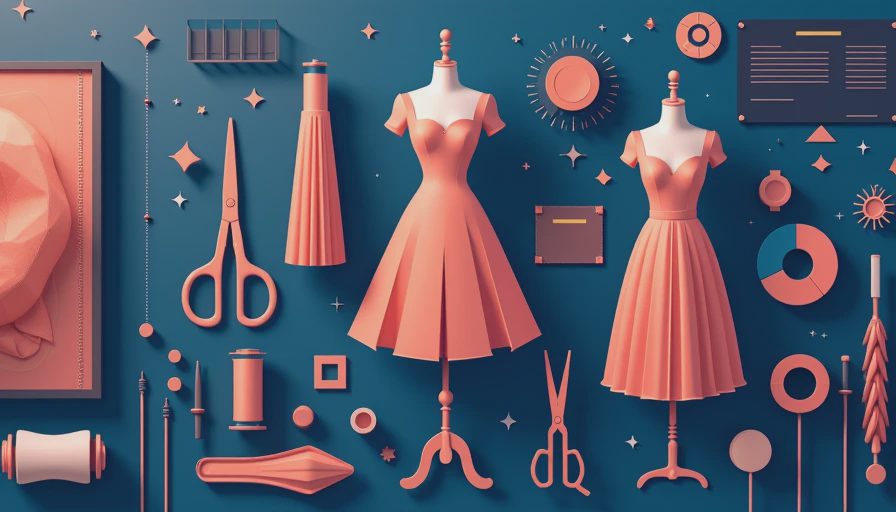
A designer dupe pattern is a sewing pattern that mimics the silhouette, seams, or style details of an expensive runway or boutique garment. These are usually not direct copies — legally risky for the pattern company — but they capture the look closely enough that the finished piece reads as the real thing. Think wrap dresses, tweed jackets, and bias-cut slip dresses. Vogue Patterns has a long history of designer collaborations, and Butterick, McCall's, and Simplicity all release styles that track what's trending in high-end fashion. Indie designers on Etsy sell PDF patterns marketed as dupe-style too. Prices run from about $2 for a paper pattern on a big-box craft sale to $15 for an indie PDF download.
Where to Find Designer Dupe Sewing Patterns
Start with the big four pattern brands. Joann and other fabric retailers run frequent sales where paper patterns drop to $1.99 or $3.99. The pattern catalog changes every few months, and the new-season books at the front of the pattern wall are where the designer-inspired silhouettes land first. Thrift stores and estate sales are another goldmine. People donate half-used pattern envelopes and cut-up pieces all the time. Old patterns from the 1980s and 1990s are especially valuable because designer looks keep cycling back — the oversized blazer showing up in every boutique window right now has a 1992 pattern twin sitting in some 50-cent bin.
Public libraries are worth checking too — many carry pattern collections you can borrow.
How to Choose a Pattern That Delivers the Look
This is where designer dupe sewing patterns get tricky. Two patterns can look identical on the envelope and sew up completely differently. The secret is the line drawing on the back of the envelope — that flat technical sketch shows the actual seam lines, darts, and construction details. Compare it side by side with a photo of the designer garment and check three things: the neckline shape, where the waistline sits, and how the sleeves attach. Then check the fabric — a shiny satin blouse sewn in quilting cotton never reads as luxury, no matter how clean your seams are. Take the designer photo to the fabric store, or hunt thrift store sheets and curtains for natural fibers like silk, linen, and wool that drape properly.
The Anatomy of a Convincing Dupe
The garments that get mistaken for the real thing share the same construction details. Look for patterns with princess seams instead of basic side seams, because princess seams shape the body in a way that reads as tailored. Check for functional details too — real pockets, working button plackets, a proper waistband facing. A cheap version of a designer look uses fake details; a convincing one builds them into the pattern. Anywhere from $50 to $500 of the designer price is finishing work. I skipped the muslin stage once on a coat pattern and discovered the shoulders were two inches too wide — after I had already cut all the shell pieces. That was a painful lesson in why the test version exists.
Step-by-Step: Sewing Your First Designer Dupe
Measure yourself and compare to the finished garment measurements on the pattern envelope, not your ready-to-wear size. Cut and sew a test version in cheap fabric. A simple cotton muslin will show you where the fit breaks down, and it's much easier to adjust a $3 test garment than a $60 one. Make your changes on the paper pattern, then cut your real fabric.

When you sew, press every seam as you go. An iron is the cheapest tool that makes homemade clothes look store-bought. Finish the seams with pinking shears, a zigzag stitch, or a serger, depending on your machine. Clean finishes read as expensive — inside fuzz reads as handmade, and not in a charming way.
Common Mistakes and How to Fix Them
Wrong fabric is the biggest failure I see in community sewing groups. A designer dupe made with the wrong drape instantly looks like a costume. Fix it by buying a small swatch, or sacrifice a thrift store sheet before committing to a full cut. Skipping the muslin is the second biggest mistake. If the fit is off, no amount of beautiful fabric saves it. Machine-stitch your test version, try it on, and use the seam allowance to take it in or let it out. Use a press cloth on anything that isn't 100% cotton.
The Cost Reality of Designer Dupes
A designer coat can run $1,200 or more. A dupe of the same silhouette built from a $3 pattern, a $15 thrift store wool blanket, and a $10 zipper costs under $30. A designer silk slip dress might be $400; the dupe version sewn from a $2 pattern and an $8 thrift-store silk blouse that you cut apart comes in around $10. Join an online sewing community and post your muslin before you cut your final fabric; the advice will save you the cost of a hundred patterns. One more question beginners ask all the time: are designer dupe sewing patterns legal? Making a garment for your own wardrobe from an inspired or licensed pattern is fine. Selling clothing based on a direct copy of a designer's copyrighted pattern is not. Keep your makes for personal wear or gifting and you are on solid ground.



No notes yet — write the first one.