Do you need safety goggles when sewing? No such thing as a stupid question here, so let's walk through it. The short answer is yes — not for every single stitch, but for a surprising number of sewing tasks. I've been sewing old denim, thrift store curtains, and wedding gowns for years, and I've had enough close calls to keep a pair of safety glasses within arm's reach. In this guide, I'll show you what actually puts your eyes at risk, when to wear goggles, and which budget-friendly options don't fog up or feel like a welder's mask.
What Actually Puts Your Eyes at Risk in a Sewing Room?
Most people picture a needle breaking and flying toward the eye — and that definitely happens. But in my experience, the quieter hazards are more common. Seam rippers are the number one culprit. When you're ripping out a zipper on a heavy thrift-store jacket, the blade can slip and jab toward your face. Pins are another one: holding tucks, collar points, or silk fabric while the machine needle hits a stray pin can send the pin skittering. Scissors and rotary cutters also get close to your face when you're clipping curves or trimming seam allowances. And if you pull threads with your teeth like I used to, well, stop that too.
Even a snapping thread can whip you in the eye if you're cutting with cheap scissors at an odd angle. And when you're hand sewing a replacement zipper into a vintage pair of jeans that's tight going over the machine foot, your face ends up inches from the work. Needle breakage is rare but real — especially with sizes 16 or 18 needles going through layered canvas, leather, or fused hems. A broken needle can travel a couple of feet. Eye protection just keeps you safe for those moments.
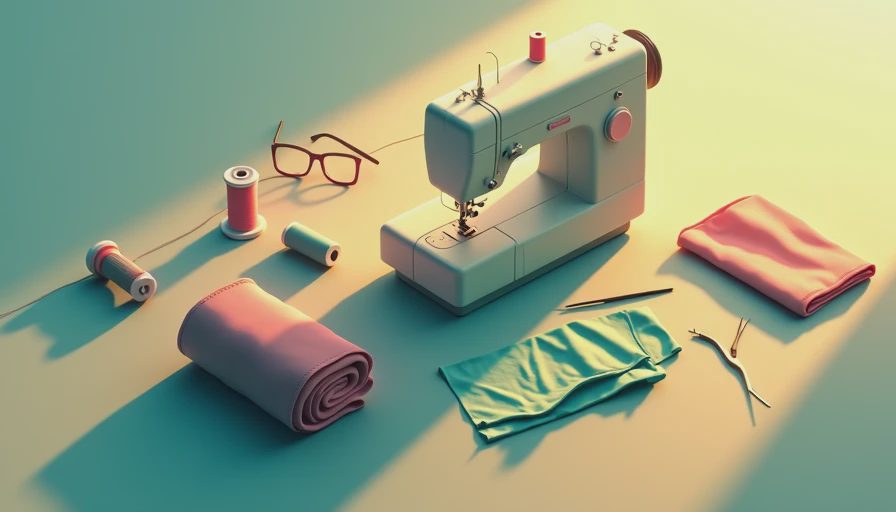
Do You Need Safety Goggles When Sewing? Here's When to Actually Wear Them
I'm not going to tell you to wear goggles for every single hem. If you're doing light hand-sewing on cotton, you're probably fine with regular glasses or nothing. But I do reach for protection in these situations: ripping out seams with a seam ripper, especially on denim, corduroy, or bridal satin; machine sewing through thick, fused, or heavy fabrics where needle breakage is more likely; cutting with a rotary cutter or sharp shears while leaning close to the table; and any time I'm sewing with a size 14 or larger needle. If you're unstitching a vintage garment that's puckering — and that thread is under tension — a seam ripper slipping can end with a cut on your cheek or worse. That's when you need a pair of goggles or safety glasses.
Some people worry they'll look silly. But I've seen folks at sewing retreats wearing comfortable safety glasses and no one bats an eye. The point is your eyesight isn't worth a $5 mistake. Besides, a lot of modern safety glasses now come in clear, amber, or copper lenses. The amber ones make white thread easier to see against denim, so you get two benefits from one $12 purchase.
What Kind of Eye Protection Works for Sewing?
You don't need a bulky industrial face shield. For most sewing tasks, a simple pair of ANSI-rated safety glasses does the job. Look for "Z87+" or "Z87.1" on the frame or lens; that means it meets the basic impact standard. Polycarbonate lenses are lightweight and won't shatter. Anti-fog coatings help when you're breathing over a machine. You can buy these for $7 to $15 at hardware stores, or online from brands like Pyramex, 3M, NoCry, and DeWalt.
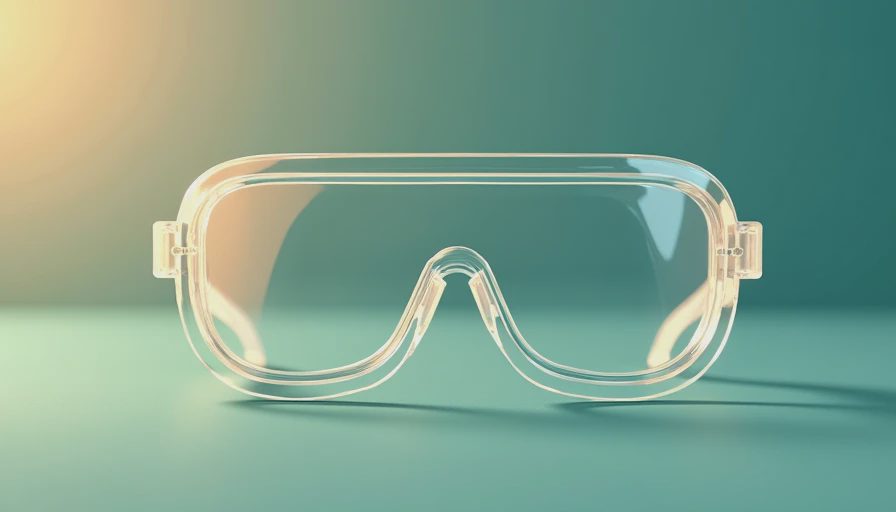
If you already wear prescription glasses, look for over-glasses that fit over your existing frames. They're around $10 to $20 and wrap around a bit more. Prescription safety glasses are also available online for $30 to $80 if you want a single pair. For sewing, you don't need rated goggles with a rubber gasket unless you're doing a lot of high-speed machine work and want to be extra safe. Found goggles with vents will fog, so any pair you buy should say anti-fog.
Here's What Went Wrong + How I Fixed It
A few years ago I was ripping the sleeves out of a vintage leather jacket to convert it into a vest. The stitch was locked in, the seam ripper slipped out of my hand, and the tip grazed my eyebrow. I was lucky. A quarter inch lower and it would have been the eye. After that I bought two pairs of safety glasses — one at my machine, one downstairs at my cutting table. Total cost: $9. It's the cheapest insurance you can buy for sewing.
A Quick Habit That Takes Five Seconds
Make it a habit with a simple trigger: every time you stand up to cut or rip a seam, grab the glasses. Keep them in a zippered pouch with your scissors, or hang them from the machine arm. When you sit down to hand sew, tuck them on the table beside your thimble. Pair them with good lighting, and you'll catch late-night sewing fatigue before it causes careless injuries. You can also wear them with a headlamp for those deep, dark corners of antique linens and embroidered frocks.
The Bottom Line on Safety Goggles for Sewing
So do you need safety goggles when sewing? For every single task, no. But for the majority of projects — especially anything involving a seam ripper, a needle going through denim, or a rotary cutter — yes. A $10 pair of safety glasses is a lot more affordable than an eye doctor visit, and the protection lets you keep doing the thing you love with confidence. No such thing as a stupid question here, so if you've ever thought about this before, you're in good company. Next time you're at the thrift store, grab that $10 sewing desk and use the leftover cash for glasses.




No notes yet — write the first one.