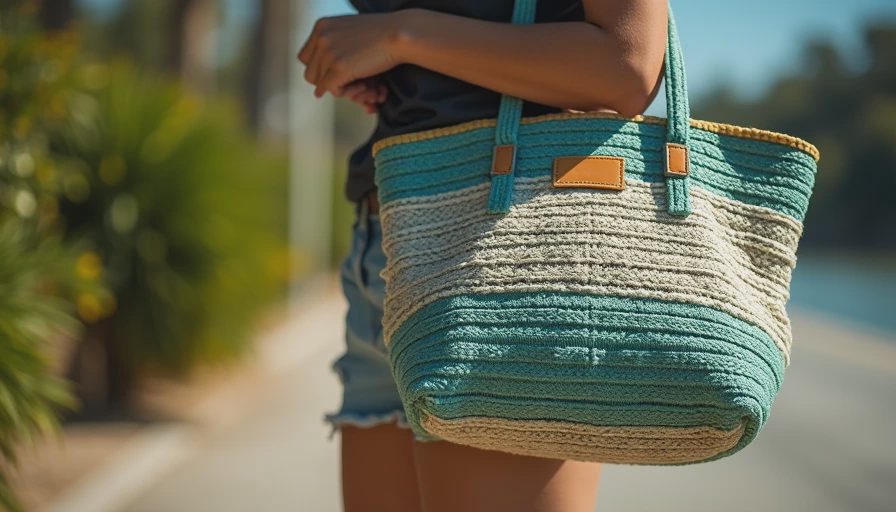
If you've been hunting for purse tote bag patterns that actually work with recycled materials, you're in the right place. I've made more totes than I can count—some from old jeans, some from thrifted curtains—and I've learned exactly what makes a pattern beginner-friendly and what leads to a tangled mess. Let's walk through five purse tote bag patterns that are perfect for upcycling, plus the tools and tips you need to succeed.
Why Sew Your Own Purse Tote Bag Pattern?
Making your own tote is one of the most satisfying projects in the upcycling world. You control the size, the pockets, and the straps. Plus, you can use fabric you already love—maybe that floral bedsheet from the thrift store or the canvas from a worn-out work bag. With the right purse tote bag patterns, even a total beginner can create something sturdy and stylish. No need to spend $50 on a designer tote when you can make one for the cost of thread and a few hours of your time.
Essential Tools & Materials for Your Tote Project
Before you pick a pattern, gather your basics. You don't need a fancy sewing machine—my first totes were sewn on a $30 thrift store machine. Here's what you'll actually use:
- **Sewing machine** (straight stitch is fine, but a zigzag helps for finishing edges)
- **Fabric** (about 1 yard for a medium tote—look for denim, canvas, or heavy cotton)
- **Matching thread** (I always buy two spools to avoid running out mid-project)
- **Scissors or rotary cutter** (sharp scissors are non-negotiable)
- **Pins or clips** (Wonder Clips work great on thick seams)
- **Iron** (press every seam—it makes a huge difference)
- **Strap material** (old belts, webbing, or fabric strips)
Don't skip the ironing step. I learned that the hard way when my first tote came out lopsided because I didn't press the seams.
5 Purse Tote Bag Patterns to Try (With Real Tips for Beginners)
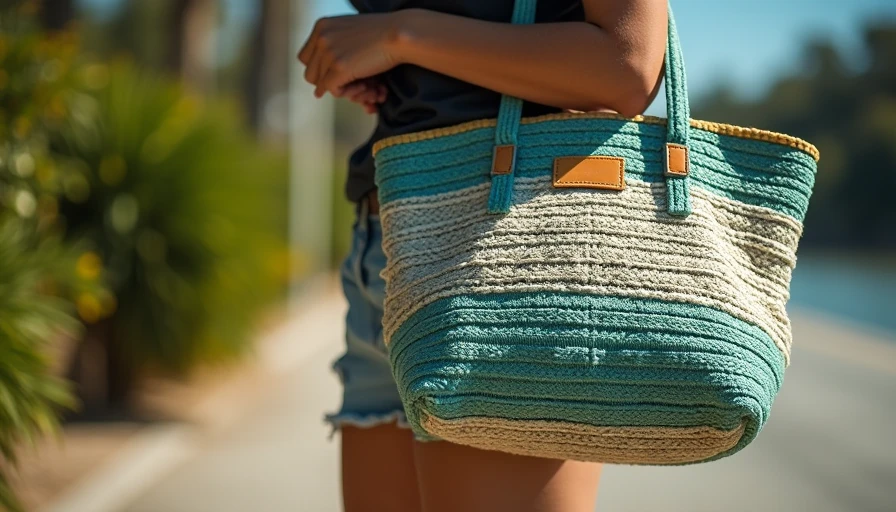
These purse tote bag patterns are all beginner-tested. I've included what went right (and wrong) for me on each one.
1. The Classic Rectangle Tote
This is the simplest pattern: cut two rectangles (say 15" x 18"), sew the sides and bottom, add straps, and you're done. **What I messed up**: I didn't reinforce the strap attachment points. After a week, one strap ripped out. **Fix**: Stitch the straps in a square with an X inside. Use heavy-duty thread.
2. The Gusseted Tote (with Depth)
If you want a tote that can hold a laptop or a thrift haul, you need a gusset. This pattern adds side panels or boxed corners. **Pro tip**: Use a tumbler or a small box to shape the corners—mark where you want the gusset width (usually 2-4 inches), stitch across, and trim. I've used this to make a tote from an old pair of corduroy trousers.
3. The Convertible Crossbody Tote
This pattern includes a long strap so you can wear it crossbody. I added D-rings and a detachable strap made from an old dog leash. **What went wrong**: I forgot to topstitch the lining, so it kept bunching up. **Fix**: After inserting the lining, topstitch around the top edge to keep everything flat.
4. The Reversible Tote
Two bags in one! Sew an outer and an inner tote separately, then join them. The trick is leaving a gap in the lining to turn it right side out. **My first attempt**: I made the gap too small and had to wrestle the bag for 20 minutes. **Advice**: Leave at least a 6-inch opening.
5. The Patchwork Tote
Perfect for using up scrap fabric. Cut squares or strips, sew them together into a larger panel, then follow the classic rectangle pattern. **Beginner tip**: Use a 1/4" seam allowance and iron each seam open to reduce bulk.
Step-by-Step: Sewing a Simple Tote from an Old Denim Jacket
Let's walk through a real example. I found a men's XL denim jacket at Goodwill for $8. The back panel became my tote body, and the sleeves became the straps.
- **Cut the fabric**: Cut two 16" x 20" rectangles from the jacket back. Remove any pockets you might want to keep.
- **Cut straps**: Cut two 24" x 4" strips from the sleeves. Fold lengthwise and stitch to create strong straps.
- **Sew the body**: Place rectangles right sides together, stitch sides and bottom with a 1/2" seam allowance. Finish raw edges with a zigzag or serger.
- **Box the corners**: Flatten each bottom corner to form a triangle, measure 3" from the point, stitch across, trim excess.
- **Attach straps**: Pin straps 3" from each side on the right side of the bag. Sew in a square with an X.
- **Add lining** (optional): Repeat with a thrifted cotton sheet, insert into the denim shell, and topstitch the top edge.
Common Mistakes and How to Fix Them
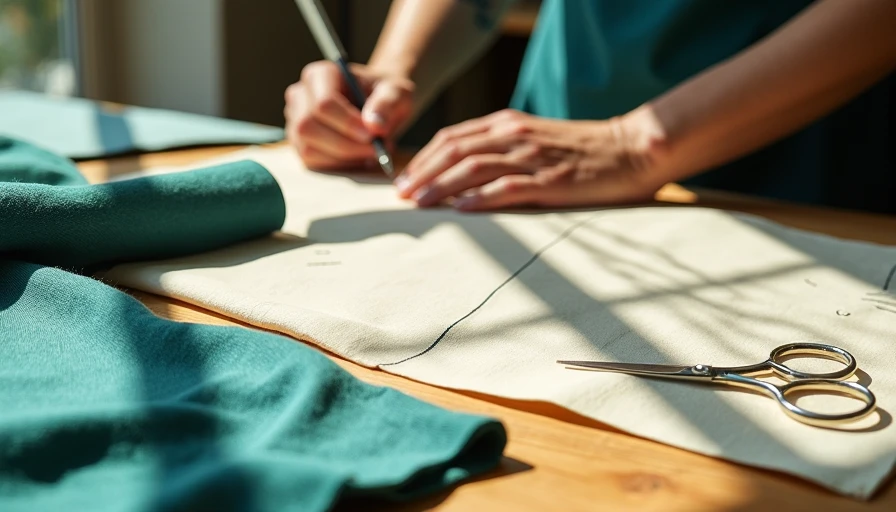
I've made every mistake you can imagine. Here's what to watch out for with purse tote bag patterns:
- **Strap not long enough**: Measure over your shoulder before cutting. Add 4" for seam allowance.
- **Bag too floppy**: Interface the fabric or line it with fusible fleece. Thrifted bedsheets are too flimsy alone.
- **Lining pulls out**: Topstitch the lining to the outer bag after inserting. Use a longer stitch length (3.5mm) to avoid puckering.
- **Seams blow out**: Use a 1/2" seam allowance and backstitch at start and end. For heavy loads, reinforce with a second row of stitching.
No such thing as a stupid question here—if you're unsure about a step, test on scrap fabric first. I still do that every time.
Final Thoughts
You don't need a fancy pattern or a new sewing machine to make a great tote. Start with one of these purse tote bag patterns, use what you have, and don't be afraid to rip out seams and try again. Your first tote might be wobbly (mine was), but your second will be better. And the best part? You made it yourself, from something that might have ended up in a landfill.
Happy sewing—I'd love to hear how your tote turns out. Drop a comment below or share it in our community!




No notes yet — write the first one.