Simplicity patterns are often one of the easiest ways to start sewing thrifted fabric, altering secondhand clothes, or planning your first real upcycle. If you've ever stood in a craft store holding a pattern envelope and thought, “I have no idea what any of this means,” you are very much not alone. No such thing as a stupid question here — let's walk through it. Simplicity has long been a familiar name for home sewists because the designs are usually approachable, the instructions are structured, and the style range covers basics, costumes, vintage looks, and practical everyday garments.
Why simplicity patterns work so well for beginners
One reason sewists keep coming back to simplicity patterns is that they usually do a solid job of breaking a project into manageable steps. That matters when you're learning how to read a pattern layout, match notches, cut fabric on grain, or understand what interfacing actually does. A beginner does not need a pattern that feels like a puzzle before the sewing even starts.
The brand is also easy to find. You can spot simplicity patterns at big craft chains, independent sewing shops, online marketplaces, estate sales, and even thrift stores. Older envelopes often show up in bins for a dollar or two, which makes them great for experimenting. If you mess up a sleeve or cut the wrong size, it stings a lot less than ruining expensive fabric with a premium indie pattern.
Another plus is variety. You can find pajama sets, simple skirts, button-front dresses, aprons, tote bags, and vintage-inspired pieces without needing advanced drafting skills. For upcyclers, that range is useful because you can match a pattern to the material you already have instead of buying everything new.
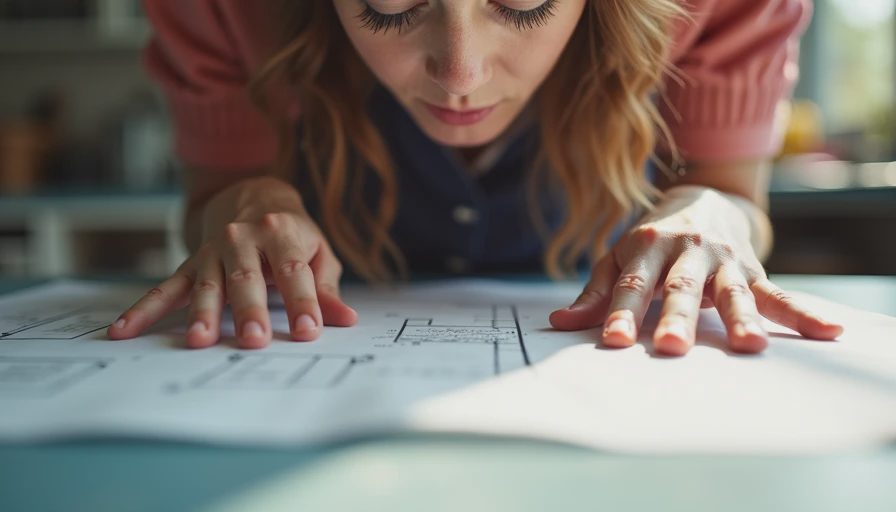
How to read the envelope before you buy
The front of a pattern envelope is the glamorous part. The back is where the useful information lives. When shopping simplicity patterns, turn it over and check the line drawings first. These are better than styled photos because they show the real seams, darts, collars, and hem shapes. If you are planning a thrift flip, those construction details tell you whether your secondhand fabric or garment can realistically become that shape.
Next, look at the sizing chart. Pattern sizes are not the same as ready-to-wear sizes, and this trips up almost everyone once. Measure bust, waist, and hips with a soft tape measure, then compare those numbers to the chart instead of relying on the size you buy in stores. Here's what went wrong + how I fixed it: the first time I ignored the chart, I cut based on my usual clothing size and ended up with a fit that was way off. Measuring first saved me a lot of seam ripping after that.
Also check fabric suggestions and yardage. If the envelope recommends light cottons, linens, or stable blends, that is a clue about how the garment is meant to hang. Slippery satin or very stretchy knits can make a beginner project much harder than it needs to be.
Best simplicity patterns for thrift flips and upcycling
Not every pattern is equally good for secondhand sewing. The easiest simplicity patterns for upcycling are usually the ones with simple shapes and forgiving fit. Think elastic-waist skirts, loose dresses, sleep sets, tote bags, and pull-on pants. These projects give you room to work around flaws in thrifted fabric, small stains, or awkward existing seams.
If you're working from old sheets, tablecloths, or oversized garments, choose patterns with fewer curved pieces and less tailoring. A fitted blazer pattern may look amazing, but it needs precision, structure, and enough matching fabric for facings, collars, and sleeves. A tiered skirt or boxy top is much more realistic when your source material is limited.
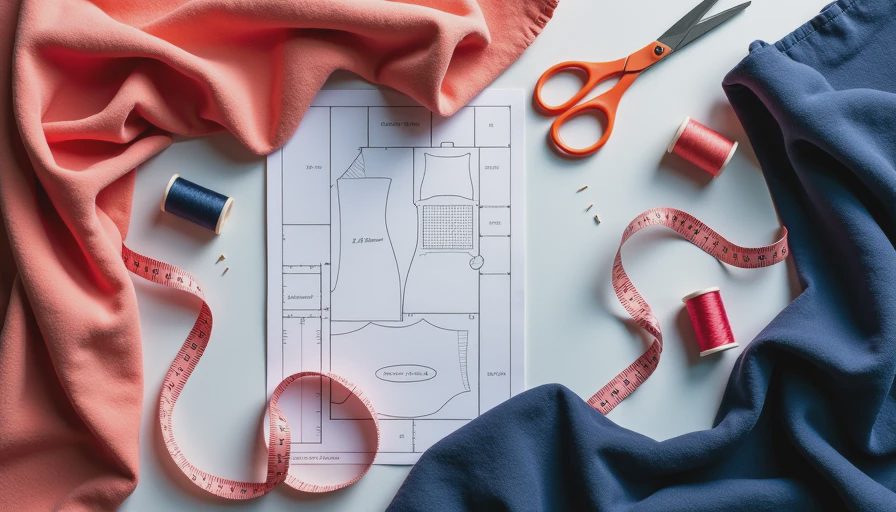
Vintage-style simplicity patterns can be especially fun if you thrift often. They pair well with cotton curtains, embroidered linens, and older deadstock fabric. Just keep expectations practical. Some vintage reissues have more detailed construction than modern beginner patterns, so read the skill level and line drawings carefully.
Here's what belongs / what doesn't: simple silhouettes, roomy fit, and stable woven fabric belong in beginner upcycling. Tiny seam allowances, slippery fabric, and highly fitted bodices usually do not.
Choosing fabric and tools without overbuying
A lot of beginners think they need a giant sewing haul before starting. You really do not. For most simplicity patterns, a basic sewing machine, sharp fabric scissors, pins or clips, a seam ripper, measuring tape, iron, and thread will get you moving. If your budget allows, add a rotary cutter and mat later, but they are not required.
For fabric, thrifted sheets are a favorite for a reason. They are affordable, washable, and large enough for many garment pieces. Cotton and cotton blends are especially beginner friendly because they stay put while cutting and pressing. Old duvet covers can also work well for dresses, pajama sets, and roomy tops.
If you are reusing existing garments, test the fabric before committing. Hold it up to the light, check for weak spots, and wash it first. Sometimes a great print hides worn fibers near the underarms or seat. Test results inside: the prettiest thrifted fabric is not always the strongest, and I have absolutely learned that after splitting a seam on a project that looked perfect from the outside.
Common mistakes with simplicity patterns and how to fix them
The biggest mistake is cutting the wrong size. Start with your body measurements, then make a muslin or test version if the project is fitted. A muslin sounds intimidating, but it can be as simple as sewing a quick test in cheap cotton to check fit before using your favorite fabric.
The second common issue is skipping the instruction sheet. Even if you like learning from videos, read the steps first. Simplicity patterns usually include useful symbols, layout guides, and construction order. Sewing steps out of sequence can make a project much harder.
Another problem is choosing fabric that fights the pattern. If the envelope suggests woven fabric, do not swap in a stretchy knit unless you understand how that changes fit and handling. Pressing is another beginner hurdle. Press every seam as you go. It makes homemade projects look cleaner fast.
If something goes wrong, do not take it as proof that you are bad at sewing. Most of us have sewn sleeves inside out, attached waistbands backward, or trimmed a seam too aggressively at least once. The fix is usually slower work, more pressing, and checking each step before moving on.
Where simplicity patterns fit in a real sewing journey
Simplicity patterns are not just for absolute beginners. They are useful for building skills in a low-pressure way, especially if your goal is to alter, remake, and extend the life of secondhand clothes. A good pattern teaches construction logic: how pieces relate, where shaping happens, and why some garments fit better than others. That knowledge carries over when you start freehanding small changes to thrifted finds.
They are also budget friendly when bought on sale or secondhand, which matters if you are trying to sew more sustainably without turning every project into a major expense. Start with one practical project, like a skirt, pajama short, or tote. Learn the markings, finish it, and then level up.
No such thing as a stupid question here — if simplicity patterns feel confusing at first, that is normal. The key is picking a manageable design, using stable fabric, and giving yourself permission to learn by doing. A clean, wearable project from thrifted material is a real win, even if the inside seams are not perfect yet.



No notes yet — write the first one.