
So you've decided to make your own bag — awesome. A **tote bag sewing pattern** is one of the best places to start if you're new to sewing. Why? Because totes are forgiving. They don't need to fit a body, they're mostly straight lines, and you can finish one in an afternoon. Plus, you get a usable bag at the end. No such thing as a stupid question here — let's walk through everything you need to know to pick the right **tote bag sewing pattern** and sew it with confidence.
I've been thrifting and upcycling for years, and my first sewn project was a tote from an old pair of jeans. Did it come out perfect? Not even close. But I still use it for groceries. That's the beauty of a **tote bag sewing pattern** — even a wobbly seam holds your stuff.
Why a Tote Bag Sewing Pattern Is Perfect for Beginners
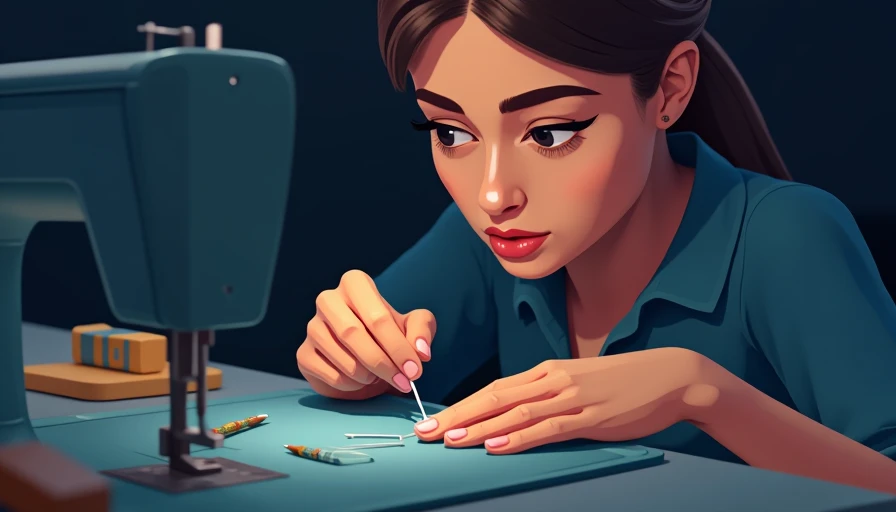
If you've never sewn a bag before, a **tote bag sewing pattern** is your friend. Most patterns use just a few pieces: front, back, bottom gusset (or sides), and straps. You don't need to mess with zippers or complex curves. Straight stitches and simple folds are all it takes. Plus, you can use almost any fabric — cotton quilting weight, canvas, denim, even upcycled bedsheets.
I've seen beginners get discouraged by dress patterns with darts and facings. A tote pattern doesn't do that to you. It's a confidence builder. You finish it in a couple of hours and think, “Hey, I made that.” And once you've made one, you'll want to make more. That's how it starts.
What You'll Need to Sew a Tote Bag
Before you grab any **tote bag sewing pattern**, gather your materials. Here's what I typically use:
- **Fabric** – ½ yard of main fabric, ½ yard of lining (optional but nice). For a sturdy bag, go with canvas, denim, or home decor fabric. Thrifted curtains or tablecloths work great.
- **Thread** – All-purpose polyester. Match it to your fabric or go contrast for a statement.
- **Interfacing** – Fusible woven interfacing gives the bag structure. Medium weight is a safe bet.
- **Straps** – Pre-made webbing or fabric you cut yourself. If making fabric straps, you'll need extra fabric and interfacing.
- **Sewing machine** – Any straight stitch machine will do. A walking foot helps with thick layers.
- **Basic tools** – Scissors, pins, seam gauge, iron.
You don't need a fancy machine. I sewed my first three totes on a $50 thrift store Kenmore. It worked fine.
Step-by-Step: Sewing Your First Tote Bag
Now let's run through the process with a basic **tote bag sewing pattern**. I'll use a standard rectangular tote as an example.
- **Cut your pieces** – The pattern will specify sizes. For a medium tote, cut two main panels (front/back), two lining panels, and two strap pieces. If your pattern includes side gussets, cut those too.
- **Interface the main panels** – Fuse interfacing to the wrong side of the main fabric. This makes the bag hold its shape.
- **Sew the straps** – Fold each strap in half lengthwise, press, then open. Fold raw edges to the center crease, press again, and edge stitch both sides. Or use pre-made webbing.
- **Attach straps to main panels** – Pin straps to the right side of each main panel, 3-4 inches from the sides, raw edges aligned with the top edge. Baste in place.
- **Sew main panels together** – Place main panels right sides together. Sew along sides and bottom with a ½-inch seam allowance. If your pattern has a boxed corner, now's the time to do that.
- **Repeat with lining** – Sew lining panels together the same way, but leave a 4-5 inch opening in the bottom seam for turning.
- **Assemble** – Turn lining right side out. Place main bag inside lining (right sides together). Pin top edges and sew around. Pull bag through the opening in the lining.
- **Finish** – Press top edge, topstitch around the opening to close it, and give it a good final press.
That's the basic method. Most **tote bag sewing patterns** follow this structure. Variations add pockets, zippers, or different strap styles.
Tips for Adjusting Patterns and Adding Personal Touches
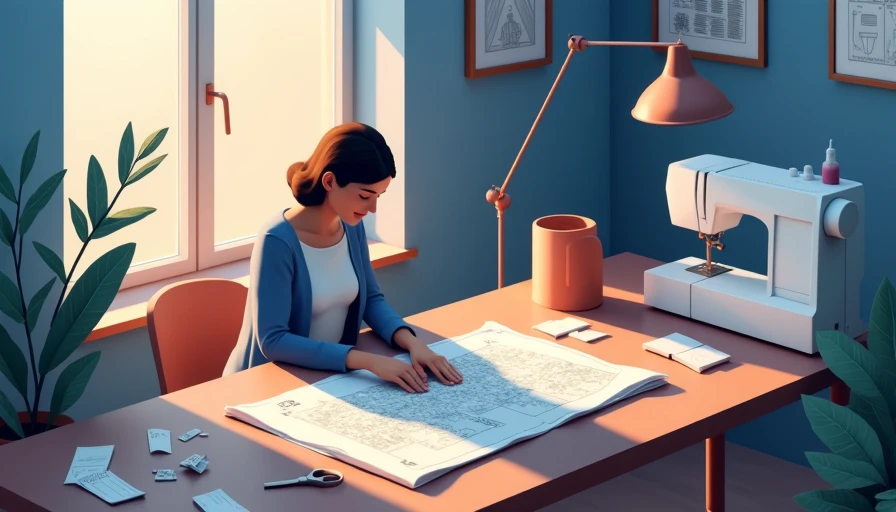
Once you've sewn one **tote bag sewing pattern**, you'll want to tweak it. Here's how:
- **Make it bigger or smaller** – Scale the pattern up or down by a percentage. For a beach tote, multiply dimensions by 1.5. For a small gift bag, reduce by 0.75.
- **Add a pocket** – Cut a rectangle of fabric, hem the top edge, and stitch it to the lining before sewing the lining pieces together.
- **Use contrasting fabrics** – Use denim for the outside and a thrifted floral sheet for the lining. Game changer.
- **Change the strap style** – Instead of standard straps, try crossbody straps or shorter handles. You can also make adjustable straps.
- **Add a closure** – A magnetic snap or a simple button and loop. Sew the snap onto the interfaced fabric before assembly.
I once added a zippered pocket inside a tote using a tutorial from YouTube. It wasn't perfect, but now my keys don't fall out. That's a win.
Common Mistakes and How to Avoid Them
Even with a simple **tote bag sewing pattern**, things can go sideways. Here's what I've messed up and how to fix it:
- **Straps too short** – Measure the strap length against your shoulder before cutting. A 20-inch strap is good for hand carrying; 30+ for shoulder.
- **Bag too floppy** – Use heavier interfacing or add a layer of fusible fleece. Also, consider a bottom gusset for structure.
- **Seam allowance issues** – Always check if the pattern includes seam allowances. Some don't. Add your own ½-inch consistently.
- **Lining twists inside** – When turning the bag, make sure the lining is fully seated. Pin the top edge before sewing to keep everything aligned.
- **Thread breaks** – Use a new needle (size 14 for canvas) and adjust tension. Thick seams may need a slower speed.
No such thing as a stupid question here. If something goes wrong, rip it out and try again. I've unpicked more seams than I care to count.
Final Thoughts
Choosing the right **tote bag sewing pattern** and following through on your first project is a great way to build sewing skills. You'll end up with a custom bag that's exactly what you need — and you'll have learned the basics that apply to dozens of other projects. Start simple, use what you have, and don't stress over perfection. That first wonky tote will still carry your library books.
Happy sewing, and remember: the best pattern is the one you actually sew.

No notes yet — write the first one.