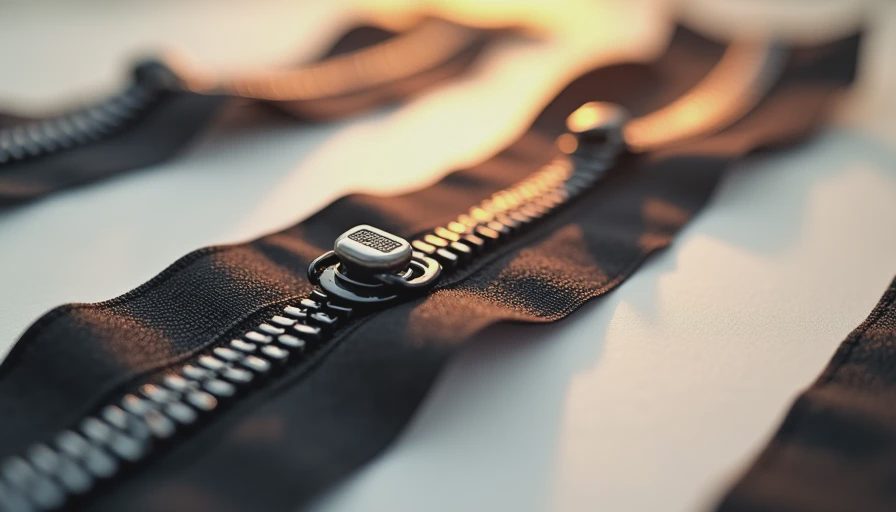
If you've ever thrifted a vintage jacket or scored a pair of jeans only to find the zipper busted, you know the frustration. But here's the good news: most zipper repairs are totally doable once you understand the basic zipper parts. No such thing as a stupid question here — let's walk through what each part does, how to identify problems, and how to fix them. Whether you're a seasoned upcycler or just starting out, knowing your zipper parts will save you money and keep your favorite pieces in rotation.
The Basic Zipper Parts You Need to Know
Every zipper, whether it's on a pair of 501s or a vintage clutch, has the same core components. Let's break them down:
- **Slider**: The moving piece that zips and unzips the zipper. It has a pull tab attached. Sliders come in different sizes and types (locking, non-locking, auto-lock).
- **Teeth (or elements)**: The interlocking bits that form the chain. They can be metal (brass, aluminum, nickel) or polyester coil. Vintage zippers often feature chunky metal teeth.
- **Tape**: The fabric strip on either side that is sewn into your garment.
- **Top stop**: The metal or plastic piece at the top of the zipper that prevents the slider from coming off.
- **Bottom stop**: The piece at the bottom that stops the slider and separates the two sides (in separating zippers, like on jackets).
- **Insertion pin and retainer box**: Found on separating zippers (jackets, sleeping bags). The pin on one side inserts into the box on the other to align the zipper.
Knowing these zipper parts is half the battle. When you pick up a thrifted item, check which part is broken. Often it's just the slider or a missing top stop.
Common Zipper Problems and Which Parts to Fix
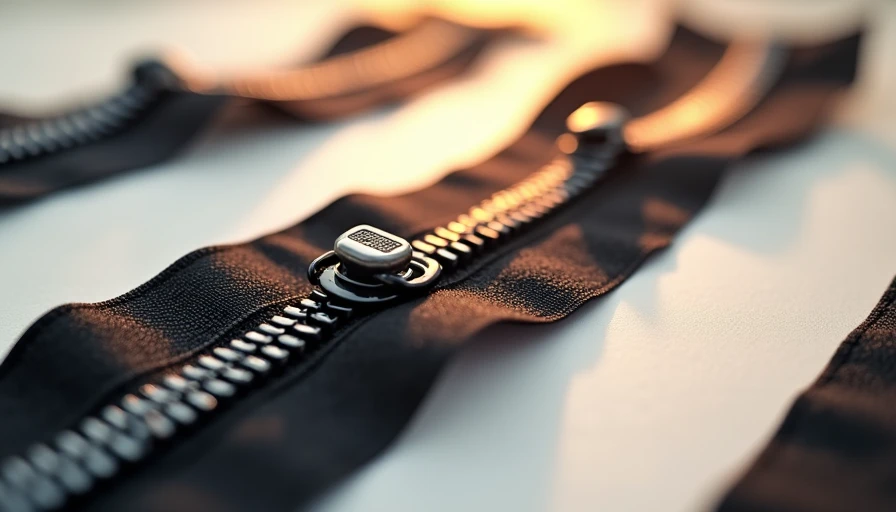
Most zipper issues fall into a few categories. Here's what to look for and which zipper parts you'll need to replace:
**Zipper won't stay up (slider won't lock)**
Often the slider's internal lock mechanism is worn. Solution: replace the slider. Make sure you get the right size and type (matching your zipper's width and tooth type). Brands like YKK sell replacement sliders.
**Zipper separates at the bottom**
This often means the bottom stop has broken off or the slider is too loose. Try squeezing the slider gently with pliers to tighten it, or replace the slider.
**Zipper teeth misaligned**
If the teeth don't mesh, you might have a damaged tooth or the slider is off track. Sometimes you can work the slider back up carefully, but if a tooth is broken, you may need to replace the whole zipper. For vintage items, swapping in a matching period-appropriate zipper is worth the effort.
**Missing pull tab**
You can add a key ring or a replacement pull tab without changing the slider. But if the slider is damaged, you'll need a new slider.
**Jacket zipper won't stay together at the bottom**
This is usually the insertion pin or retainer box. If the pin is bent, you can try straightening it; otherwise, replace the zipper.
I once found a 1970s leather jacket with a broken zipper — the slider was completely seized. A replacement slider from a local notions shop fixed it in ten minutes. Cost? Three dollars. So don't let a broken zipper scare you off.
Where to Find Replacement Zipper Parts
You don't need to hunt down obscure suppliers. Here are my go-to sources for zipper parts:
- **Local fabric or notions stores**: Joann Fabrics, local quilt shops, and even some craft stores carry YKK sliders and replacement zippers. Bring your zipper to match size and width.
- **Online retailers**: Wawak, Zipperstop, and Amazon have huge selections. Wawak is great for bulk orders — they sell individual sliders for under $1.
- **Thrifted donor items**: Sometimes the cheapest source is another thrifted item with a working zipper of the same size. I've harvested zippers from ragged coats for a couple of dollars.
- **Vintage zipper specialists**: For antique zippers (like Talon or Crown), check Etsy or eBay. Some sellers part out vintage zippers so you can buy just the slider.
When shopping online, you need to know your zipper's size (measure the width of the closed zipper, not the tape) and tooth type (metal or coil). Most sellers list compatibility.
Step-by-Step: How to Replace a Zipper Slider
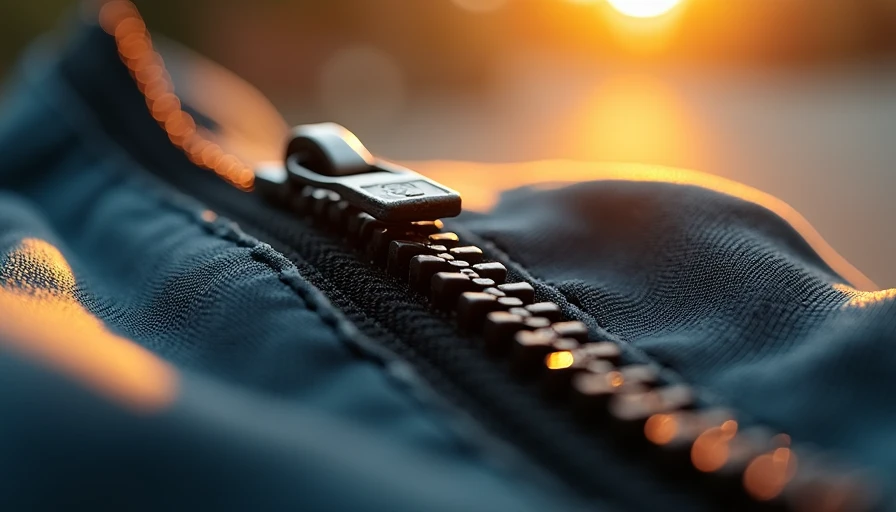
This is the most common repair. Here's how to do it on a non-separating zipper (like on pants or a dress):
- **Remove the top stops** using pliers or a small screwdriver. Gently pry them off — they're usually metal or plastic. Save them if you plan to reuse.
- **Slip the old slider off the zipper tape** by sliding it up over the top of the teeth.
- **Check the teeth** — make sure they're not damaged. If they are, you may need a new zipper.
- **Insert the new slider** onto the tape. Start by feeding one side of the zipper into the slider channel, then the other. Wiggle it gently until it's seated.
- **Test it** — zip and unzip a few times to ensure smooth motion.
- **Reattach top stops** (new ones or the originals). Squeeze them tight with pliers to prevent the slider from coming off.
That's it. For separating zippers, the process is similar but you also need to align the insertion pin with the retainer box.
I've done this on dozens of thrifted jeans. It takes longer to find the right slider than to actually replace it.
Tips for Buying Secondhand Items with Broken Zippers
Now that you know your zipper parts, you can confidently snag bargains on items with broken zippers. Sellers often discount them heavily because they assume the fix is expensive. Use that to your advantage. Here's what I consider before buying:
- **Check if the fix is simple**: Can it be solved with a new slider? If yes, it's usually under $5.
- **Look at the zipper tape**: If it's frayed, detached from the fabric, or the teeth are missing in spots, a full zipper replacement might be needed. That requires more sewing (or a tailor), but is still doable.
- **Match the zipper style**: For vintage pieces, consider whether a modern zipper will look right. Sometimes it's worth hunting down a vintage zipper to preserve the aesthetic.
- **Factor in the garment value**: A $10 thrift-store leather jacket with a broken zipper is a steal if the fix is simple. A $50 fast-fashion coat? Maybe not.
Knowing zipper parts turns a thrift flop into a win. No such thing as a stupid question here — if you're ever unsure about a zipper repair, post in our community and we'll walk through it together.


No notes yet — write the first one.