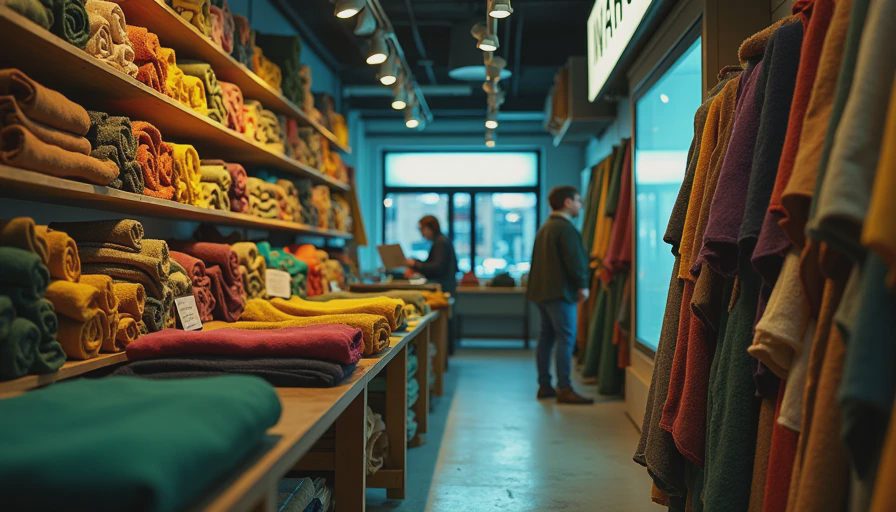
Wool cloth material shows up everywhere in secondhand fashion, from oversized blazers to plaid skirts, coats, trousers, and old-school blankets begging to be turned into something new. If you have ever picked up a thrifted piece and wondered, “Is this actually wool, or just pretending?” you are in the right place. No such thing as a stupid question here — let’s walk through it. Once you know how wool feels, behaves, and reacts to wear, it gets much easier to shop smarter and avoid expensive mistakes.
What wool cloth material actually is
Wool cloth material is fabric made from animal fiber, most often sheep’s wool, though you may also run into lambswool, merino, cashmere blends, or recycled wool. In practical terms, wool is known for warmth, breathability, and a slightly springy feel that synthetic suiting usually cannot fake very well. It can be woven into smooth coatings, fuzzy flannel-like fabric, dense melton, soft knit jersey, or textured tweeds.
For thrifters and upcyclers, that variety matters. A heavy wool coat behaves very differently from a lightweight wool trouser. One can take structure, steaming, and reshaping like a champ. The other might stretch, shine, or fray if handled the wrong way. The label helps, but your hands help too. Real wool often feels warm quickly, has a little loft, and bounces back instead of staying crushed.
One beginner mistake we see a lot is assuming all itchy fabric is wool. Not true. Some acrylic blends feel scratchier than decent wool. On the flip side, fine wool can feel almost silky. Touch, drape, and garment weight tell you more than scratch alone.
How to identify wool when thrifting
When you are shopping secondhand, start with the fiber content label if it still exists. Look for 100% wool or blends like wool-polyester, wool-nylon, or wool-cashmere. A blend is not automatically bad. In fact, some blends are sturdier for everyday wear and easier on the budget. The question is whether the fabric still feels good and suits your project.
Here’s what belongs / what doesn’t:
- Belongs: soft resilience, slight fuzz or halo, warmth in the hand, decent recovery after squeezing
- Doesn’t: papery stiffness, loud plastic shine, limp fabric that stays wrinkled, a sweaty synthetic feel
Also check for moth damage. Tiny holes, especially near seams, cuffs, and lower fronts, can mean insects had a snack. A few small holes may be repairable if you love the piece. A field of holes usually means leave it behind unless you want scrap fabric only.
Here’s what went wrong + how I fixed it: we once grabbed a gorgeous thrifted wool blazer without checking the underarms closely. The outer fabric looked perfect, but the lining was torn and the wool was felted unevenly from bad washing. It still became usable, but only after removing the lining and turning it into a cropped jacket. Lesson learned: inspect the hidden spots, not just the pretty front.
Best uses for wool cloth material in sewing and upcycling
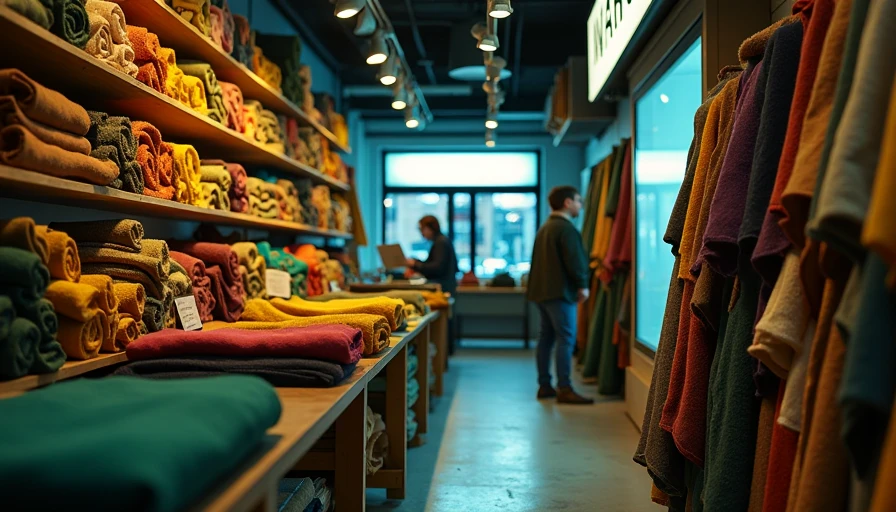
Wool cloth material is one of the most forgiving fabrics for certain projects and one of the most dramatic when it goes wrong. The good news is that it presses beautifully, holds shape well, and often looks more expensive than it costs at the thrift store. That is why it is such a favorite for upcycling.
Good projects for wool include mini skirts from larger garments, simple boxy jackets, vest tops, tote bags, berets, cushion covers, and patchwork details on coats or bags. Felted wool sweaters are especially useful because they stop fraying much more than woven wool. That makes them beginner-friendly for mittens, slippers, and appliqué.
If you are working with suiting wool, use a sharp needle, test your iron heat, and always press with a cloth. Too much direct heat can leave shine marks, especially on dark colors. Tailor’s chalk, glass-head pins, and a basic seam roll help a lot here, even if you are using a humble home machine.
What does not work so well? Super delicate wool on a first-ever sewing project. Slippery lightweight wool can shift around, stretch off grain, and make you think you are bad at sewing when really the fabric is just fussy.
How to wash, steam, and store wool without ruining it
The biggest fear around wool cloth material is shrinking it into doll clothes. Fair fear. Wool can shrink and felt when heat, moisture, and agitation team up. That means the washing method matters more than the soap brand.
If the garment is structured, lined, tailored, or vintage, dry cleaning is often the safer option. If it is a simple scarf, sweater, or washable wool item, hand washing in cool water with a wool-safe detergent usually works well. Soak gently, do not scrub, and never twist it out. Press water out with a towel, then dry flat.
Steaming is often better than frequent washing. A handheld steamer can freshen wool, relax wrinkles, and help reshape thrifted finds. If you use an iron, keep it moving and use steam plus a pressing cloth. Test results inside: high heat and pressure can create that annoying shiny patch, especially on black wool trousers.
Storage matters too. Clean wool before packing it away, because moths are drawn more to body oils and food traces than to the fiber itself. Use breathable garment bags, cedar, or lavender sachets, and avoid damp closets.
How to tell if a wool piece is worth buying
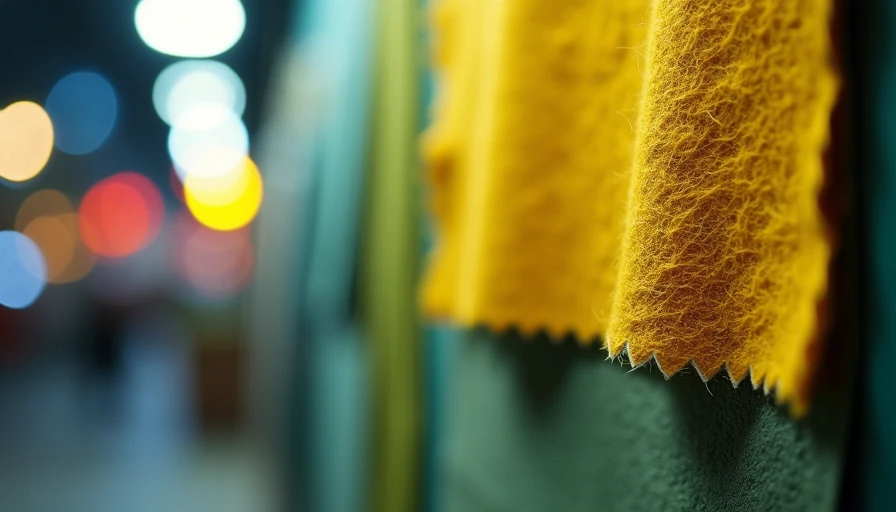
A good wool piece does not need to be perfect, but it should earn the work you plan to put into it. Start with the big three: fiber content, condition, and project potential. If the fabric is mostly wool, the damage is limited, and you already know what you would make, that is usually a strong yes.
Check seams, hems, elbows, knees, and pocket corners for thinning. Hold the fabric up to the light. If one area looks much more transparent than the rest, it may be too worn. Smell matters too. Musty odors can leave, but strong mildew or pest smells are tougher.
Price should match risk. A thrifted wool skirt for $8 to $18 can be a great buy if it gives you quality yardage. A heavily damaged coat at $40 is only worth it if you need the fabric specifically. We love a good rescue project, but not every rescue is a bargain.
If you are unsure, think in parts: buttons, lining, interfacing, and wool panels all have value. Even a flawed piece can become trim, patches, or practice fabric.
Final tips for beginners working with wool
If wool feels intimidating, start small. Hem a wool skirt, crop a blazer, or turn a felted sweater into a simple pouch. You do not need couture skills to make wool cloth material work for you. You just need a little patience and a willingness to test before cutting.
Our simplest beginner checklist looks like this:
- Read the label.
- Inspect for holes and shine.
- Steam before making decisions.
- Test stitch on a scrap.
- Press, do not flatten.
- Wash gently or dry clean when needed.
That last one saves heartbreak. Wool rewards slow handling. It can look polished fast, but it still likes careful treatment behind the scenes.
If you keep seeing wool cloth material while thrifting, that is a good thing. It is one of the most reusable, mendable, and stylish fabrics you can bring home. Start with one solid piece, learn how it behaves, and build confidence from there. No gatekeeping, no mystery — just better fabric choices and fewer sad thrift flips.


No notes yet — write the first one.