Hey Thrift & Stitch,
I’m the queen of “oops I snagged my favorite sweater” and “why is there suddenly a hole in these jeans?” For the longest time I just hid the damaged stuff in the back of the closet. Then I learned these three simple patching methods and now I actually fix things instead of giving up.
1. The “I’m Lazy” Iron-On Patch Method
This is my go-to when I want it done in under 10 minutes.
Cut a piece of iron-on fusible web + fabric slightly bigger than the hole. I usually use scraps from the same garment or cute contrasting fabric. Place it behind the hole, cover with a pressing cloth, and iron according to the instructions.
I once forgot the pressing cloth and melted a tiny bit of the patch onto my iron. Lesson learned. Always use parchment paper or a thin towel now.
It’s not the most beautiful, but it’s strong and invisible from the outside if you match the fabric well.
2. Visible Decorative Patch (Sashiko Style)
This one turns mistakes into cute details. I love this for jeans and kids’ clothes.
Cut a patch (round, heart, square — whatever) from fun fabric. Pin it over the hole on the right side. Then hand-stitch around the edge with simple running stitches using contrasting thread. The Japanese sashiko look is very forgiving — uneven stitches actually look charming.
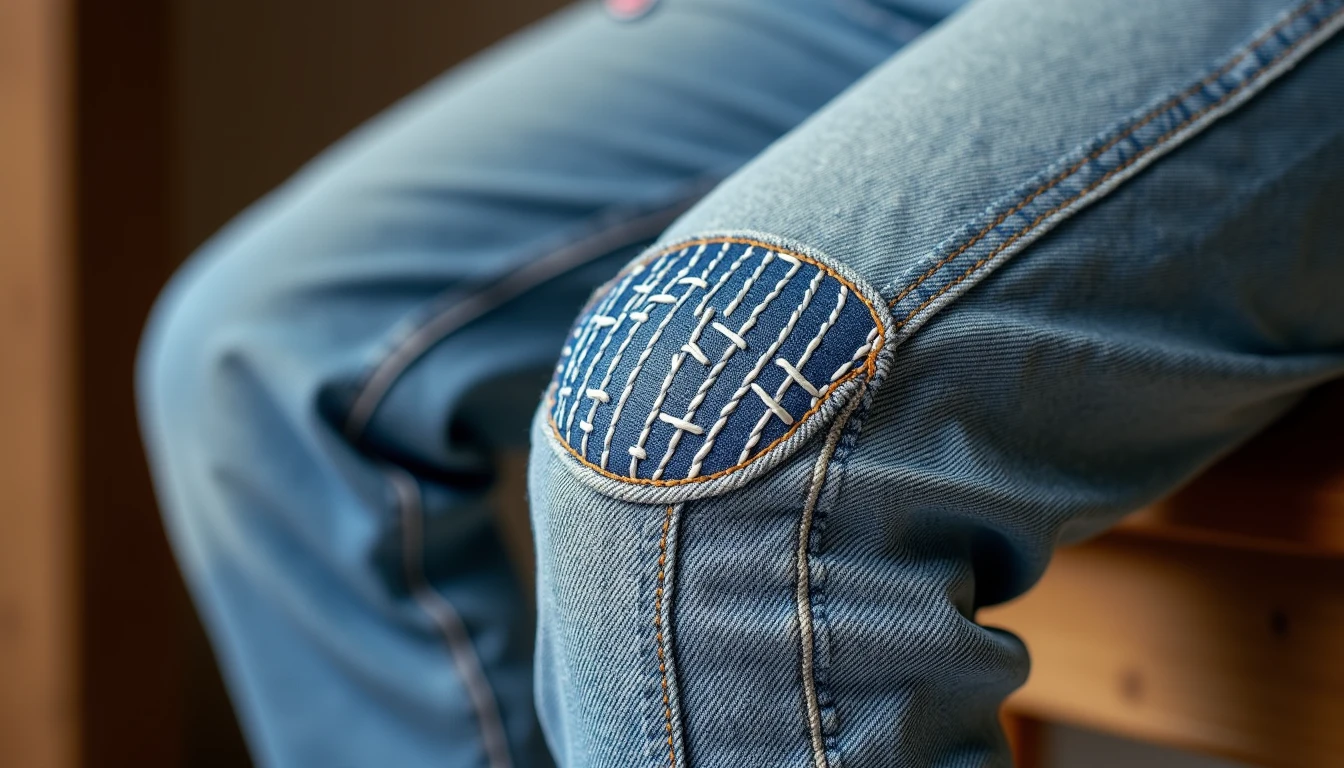
My first attempt looked crooked as hell. I almost unpicked it, but then realized the wonky stitches gave it personality. Now I lean into the imperfection.
This method is perfect for “I don’t want it to look fixed, I want it to look intentional.”
3. Hand-Stitched Invisible(ish) Mend
For smaller holes where you want it to blend in.
Turn the garment inside out. Bring the edges of the hole together and do a simple ladder stitch (like stitching a ladder rung by rung). Then reinforce from the back with a small fabric scrap.
I used to pull the thread too tight and create puckers. Now I keep the fabric flat on a table while stitching and go slow. Way better results.
For extra strength on high-wear areas like elbows or knees, I add a thin layer of fusible interfacing on the inside first.
Let me share with you some tips:
Always reinforce from the back. Front-only patches usually fail eventually.
Matching thread color hides a lot of sins. Contrasting thread makes it a feature.
Small holes are easier than big ones — catch them early!
If it looks bad the first time, just add another patch on top and call it “art.”
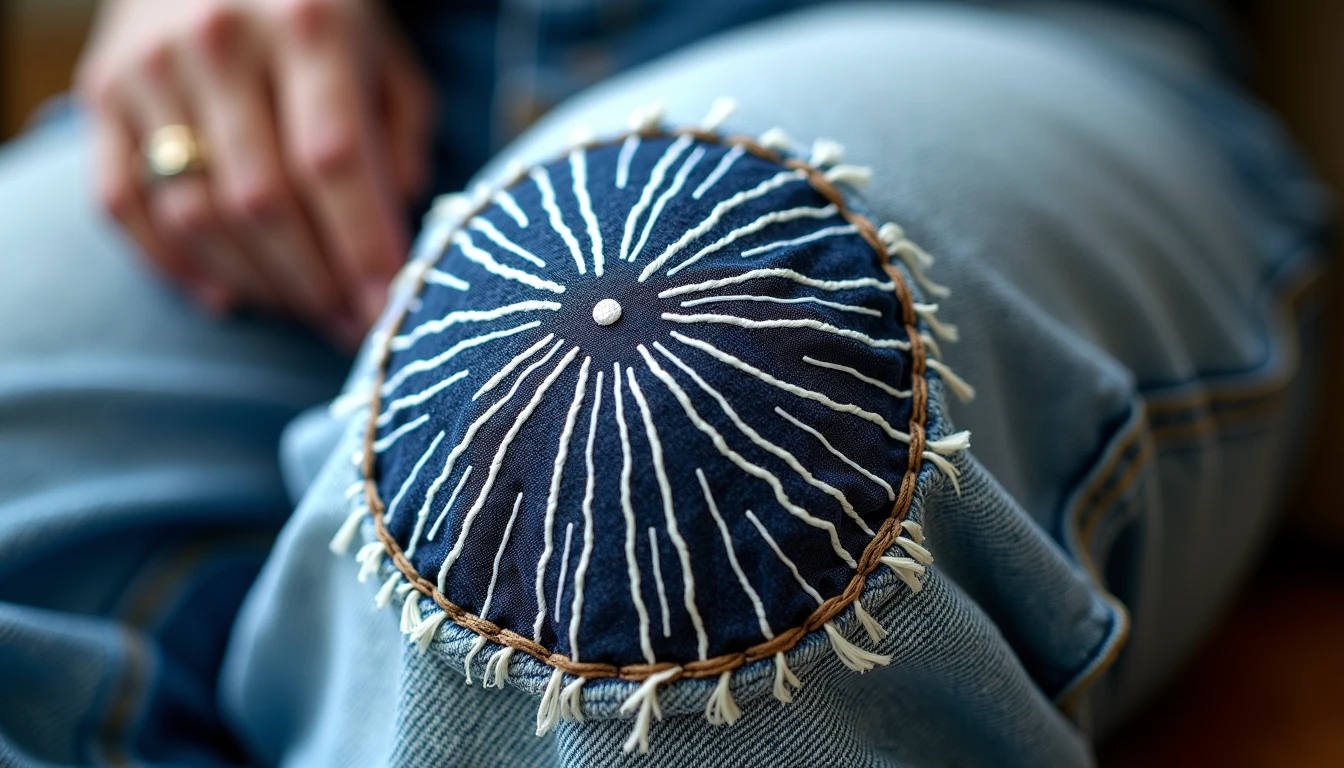
These three methods have saved so many of my favorite pieces. I don’t know if this makes sense but fixing something instead of throwing it away feels like a tiny superpower.
All three techniques took me less than an hour each once I stopped being scared.
You don’t need to be good at sewing to save your clothes. Just start small and be kind to your beginner self~