If you have ever stood in a fabric aisle wondering about duck cloth vs canvas, you are not asking a silly question. These materials are closely related, and shop labels are not always consistent. Both can make sturdy tote bags, aprons, jackets, cushions, and utility projects, but their weave, finish, weight, and behavior under a sewing machine can differ. No such thing as a stupid question here, so let's walk through it.
What duck cloth actually is
Duck cloth is a tightly woven cotton fabric made with a plain weave. The threads pass over and under one another in a simple grid, which gives the fabric a smooth, firm surface. It is usually sold by weight, with lighter versions suitable for clothing and heavier versions used for tool bags, floor cushions, or protective covers.
The word duck does not refer to an animal print or a special waterproof treatment. It comes from an older textile term connected with linen-like fabric. Modern duck cloth is commonly cotton, although blends and treated versions exist. It tends to have a cleaner, more uniform appearance than loosely woven utility canvas.
When comparing duck cloth vs canvas, many sewists notice that duck cloth feels compact rather than fuzzy. It may still soften after washing, but it generally starts with a crisp hand. That structure helps a tote stand upright without interfacing, though it can also make thick seams difficult for a basic machine.
What people mean by canvas
Canvas is a broad category of sturdy woven fabric rather than one single specification. Cotton canvas is common in apparel, bags, and home decor. You may also find polyester canvas, cotton-polyester blends, waxed canvas, acrylic-coated canvas, or heavy outdoor fabric sold under the same general name.
A canvas fabric can use a plain weave, but the yarn size, density, coating, and finishing determine how it feels. Some canvas is soft enough for pants or chore jackets. Other canvas is stiff enough for a painter's drop cloth, tent panel, or upholstery cover. That range is why the fabric store label alone cannot tell you everything.
In a duck cloth vs canvas comparison, canvas may have more visible texture or a slightly rougher face, especially when it is loosely woven or made with slubby yarns. This is not automatically a quality problem. A textured canvas can look wonderful on a vintage-inspired bag, while a smooth duck cloth may look better on a clean, modern apron.

Duck cloth vs canvas for sewing and upcycling
For a beginner project, the best choice depends on the shape and stress the finished item will handle. Duck cloth is a strong pick for structured totes, bucket hats, utility aprons, simple organizers, and bag bottoms. Its even surface is friendly to marking, pressing, and topstitching. If you are copying a thrifted bag, a medium-weight duck cloth can provide a predictable substitute for worn cotton fabric.
Canvas is more flexible as a category. Lightweight canvas can work for overshirts, pull-on pants, and unlined jackets. Medium canvas suits market bags, cushions, and chore coats. Heavy canvas is better for equipment bags or upholstery, but it can overwhelm a small home machine. Before buying, fold the fabric and try pushing a pin through several layers. If the test feels like forcing a nail into cardboard, plan your seams carefully.
For either fabric, use a sharp universal or denim needle, strong all-purpose polyester thread, and a longer stitch length around 3 to 3.5 millimeters. A walking foot can help prevent shifting. Grade bulky seam allowances, press each seam, and use a hand wheel when crossing multiple layers near straps or corner seams.
Durability, water resistance, and wear
Neither standard cotton duck cloth nor ordinary cotton canvas is automatically waterproof. Tight weaving can slow moisture, but rain will eventually pass through untreated cotton. Waxed canvas and coated canvas resist water better because of their finish, not simply because they are canvas. Those treatments can change how the fabric folds, irons, sews, and ages.
Duck cloth often resists abrasion well because its weave is dense and its surface is relatively smooth. Canvas can be equally durable, but performance depends on its actual weight and fiber content. A lightweight fashion canvas should not be expected to perform like heavy bag canvas. For a backpack, ask whether the fabric is intended for bags and whether the straps will need webbing or reinforcement.
This is another practical point in the duck cloth vs canvas debate: durability is not just a fabric-name issue. Stress points, seam construction, lining, and hardware matter. A perfectly good fabric can fail at a strap attachment if the stitching forms only one short row instead of a reinforced box or bar tack.
Washing, shrinking, and softening
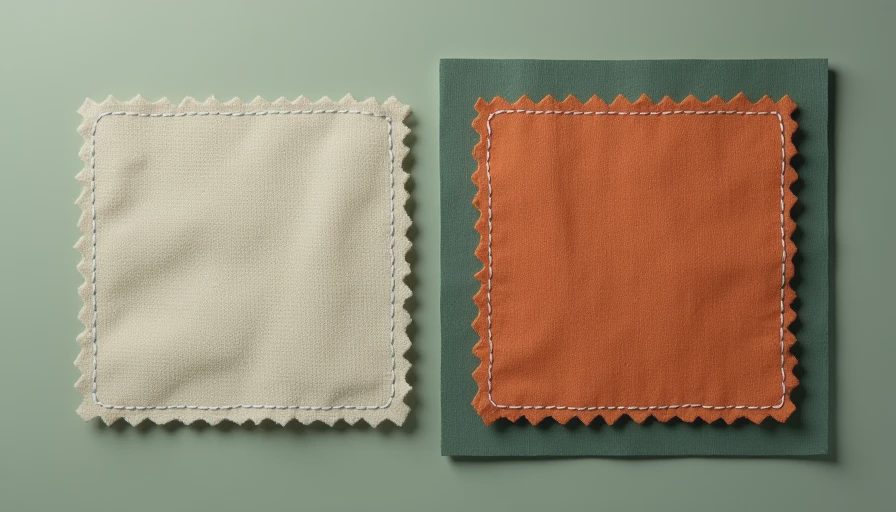
Prewash cotton fabric before cutting whenever the finished item will be washed. Use the hottest temperature you expect to use later, then dry it in a similar way. Cotton duck cloth and cotton canvas can shrink, especially when they are untreated. Cutting first and washing later is a reliable way to turn a carefully measured tote panel into a slightly smaller, puckered panel.
A warm wash and regular dryer cycle can soften stiff fabric, but repeated heat may also cause additional shrinkage or fading. For dark colors, wash separately the first time. A small swatch test is useful if you plan to overdye a thrifted or newly purchased piece. Cotton usually accepts fiber-reactive dye better than synthetic blends, though sizing, coatings, and water-resistant finishes can interfere.
For vintage canvas finds, inspect for mildew odor, brittle spots, and sun damage before washing. Strong detergent will not restore fibers that have degraded. If a seam allowance looks thin or tears when gently tugged, use the material for patches or small pockets rather than a load-bearing bag.
Choosing the right fabric at the store
Start by naming the project, not by chasing the heaviest fabric available. A grocery tote may need medium-weight cloth, while a hanging tool roll needs something that can hold pockets and hardware. For clothing, prioritize drape and comfort. For a floor cushion or structured basket, prioritize body and abrasion resistance.
Look for the fabric's fiber content, weight, width, and care instructions. Rub a corner between your fingers, hold it toward the light, and check for uneven gaps. Fold it twice to estimate how thick a finished seam will become. If a bolt says simply canvas, ask whether it is apparel weight, utility weight, waxed, coated, or intended for upholstery.
When making the final duck cloth vs canvas choice, bring a sample of your thread and hardware if possible. A fabric that looks perfect beside a bolt can clash with brass snaps or create too much bulk around a zipper. Spending a few dollars on a swatch can save an entire afternoon of unpicking.
A simple decision for your next project
Choose duck cloth when you want a dense, smooth, stable fabric for a structured item and you value predictable sewing. Choose lightweight or medium cotton canvas when you want more texture, softer drape, or a wider range of clothing and home-decor options. Choose coated or waxed canvas only when water resistance justifies the extra sewing and care considerations.
For most first projects, medium-weight untreated cotton is the forgiving middle ground. Make a small sample seam, wash a swatch, and test the hardware before cutting your best fabric. If the material feels too stiff, reduce bulk with graded seams and a lighter lining rather than forcing every layer under the presser foot.
The useful lesson from duck cloth vs canvas is that neither fabric wins every time. Read the label, test the hand, consider the finished object's stress points, and let the project decide. A thrifted tablecloth, discarded work shirt, or remnant bin find can become something excellent when you match its strengths to the right pattern.



No notes yet — write the first one.