If you have found a beautiful thrifted blouse, dress, or pair of wide-leg pants, you may wonder: does viscose shrink? The short answer is yes, viscose can shrink, especially when exposed to hot water, high dryer heat, or rough washing. The good news is that you can usually prevent the worst of it with a gentle routine. No such thing as a stupid question here — let's walk through it.
Viscose, also called rayon in many clothing labels, is made from regenerated cellulose fibers. It feels soft, cool, and drapey because it behaves more like a fluid natural fiber than a sturdy synthetic such as polyester. That softness is also why it needs a little more care. A secondhand viscose garment may already have experienced washing, so its history matters as much as the label.
Why does viscose shrink?
Viscose fibers are formed from plant-based cellulose that is chemically processed and spun into fabric. During manufacturing, the fibers and fabric are stretched into shape. Water can relax that tension, while heat and agitation encourage the material to contract. That is the basic reason does viscose shrink is such a common clothing-care question.
Shrinkage is not always dramatic. A lightweight blouse might lose an inch in length, while a loosely woven dress can change more noticeably in both length and width. The weave, finishing process, garment construction, and previous washing all make a difference. Viscose blended with polyester, nylon, or elastane often behaves more predictably, but a blend is not automatically shrink-proof.
A major trap is assuming that a cool-feeling fabric can handle hot water. Viscose can feel delicate and dry quickly, yet hot water can still relax the fibers. The dryer is usually the bigger danger because tumbling combines heat, friction, and repeated bending.
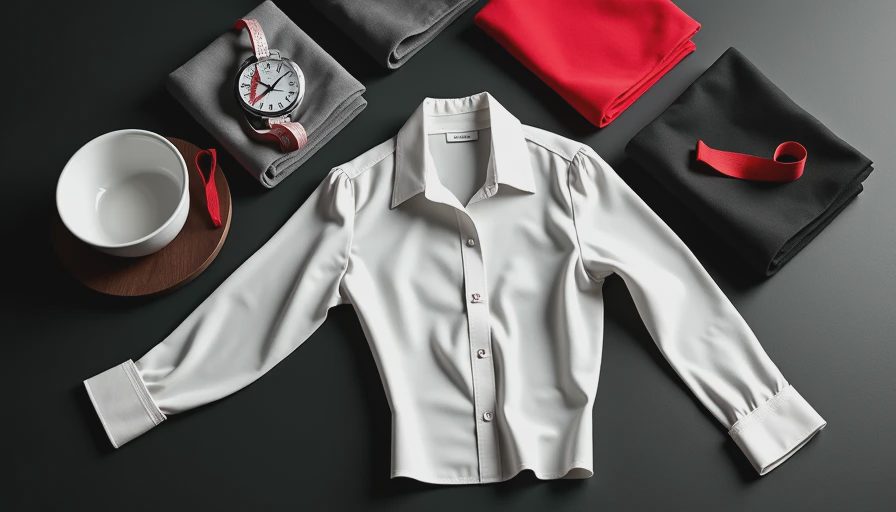
Does viscose shrink in the wash?
Yes, it can shrink in the wash, particularly if you use a warm or hot cycle. A cold, gentle wash is much safer, but even cold water is not a guarantee if the garment is aggressively agitated or squeezed. The safest approach for a valuable vintage piece is hand washing in cool water, unless the care label specifically says dry clean only.
Before washing, check the garment for loose seams, weak hems, peeling decoration, or water-sensitive trim. Place it inside a mesh laundry bag if you use a machine. Select the delicate cycle, cold water, and a small amount of mild detergent. Avoid bleach and strong stain removers unless you have tested them on an inconspicuous area.
Do not twist viscose to remove water. Twisting can stretch one section while another contracts, leaving a crooked side seam or wavy hem. Instead, press the garment gently against the side of the basin, then roll it in a clean towel. That removes moisture without putting sharp stress on the fabric.
How to wash viscose without shrinking it
Use this beginner-friendly routine for most washable viscose clothing:
- Read the care label and inspect the garment for damage before adding water.
- Fill a basin with cool water and mix in a small amount of gentle detergent.
- Submerge the garment and lightly move it through the water for two or three minutes. Do not scrub.
- Rinse with cool water until the water runs clear and no soap remains.
- Press out water with your hands, then roll the item in a towel.
- Reshape the garment while it is damp, paying attention to shoulder seams, sleeves, and hem length.
- Dry it flat on a fresh towel or mesh rack, away from direct heat and strong sunlight.
This routine addresses the biggest causes of shrinkage: heat, friction, and uneven drying. It also helps prevent dye transfer and distortion in older garments. If the label says “dry clean only,” follow that instruction, especially for lined jackets, tailored dresses, or pieces with structured interfacing.
Does viscose shrink in the dryer?
The answer is very often yes. A hot dryer can cause noticeable shrinkage, and the damage may not be reversible. Even a low-heat setting can create problems when the cycle is long. The garment may come out shorter, tighter across the chest, or twisted at the side seams.
Air drying is the better choice. Lay the item flat rather than hanging it from a thin hanger while wet. Wet viscose is heavy, and gravity can stretch the shoulders or create pointed hanger bumps. If you must use a dryer, choose the lowest possible heat, remove the garment while it is still slightly damp, and finish drying it flat. This is less protective than air drying but safer than a hot, complete cycle.
Here is what went wrong + how I fixed it: a viscose top once went through a warm wash and came out with a noticeably shorter body. I dampened it with cool water, laid it flat, and gently eased the hem back into its original length. It improved, but it did not return perfectly. That is why reshaping during the first drying stage matters so much.

Can you unshrink viscose?
Sometimes you can relax and reshape slightly shrunken viscose, although there is no guaranteed reset button. Fill a basin with cool water and add a small amount of hair conditioner or a gentle fabric softener. Soak the garment for about 15 minutes, rinse lightly, and press out excess water in a towel. Then lay it flat and gently stretch it toward its original measurements.
Work slowly. Pulling hard can distort the neckline, stretch one sleeve, or create a longer front than back. Measure the garment against a similar item or compare it with measurements taken before washing. Once it is close to the desired shape, leave it flat until completely dry.
This method is most useful for mild shrinkage. It will not reliably repair severe felting, heat damage, or a garment that has become permanently misshapen. If the fabric feels stiff, brittle, or unusually rough after drying, stop stretching before the fibers tear.
Smart care for thrifted viscose pieces
When shopping secondhand, hold the garment at eye level and check whether the print is still aligned at the side seams. Look for puckering near zippers, uneven hems, and sleeves that already seem different lengths. Those signs can reveal previous washing damage. Ask for measurements when buying through a resale app, especially for length and pit-to-pit width.
For your first wash, test a hidden inside seam with a damp white cloth. If color transfers heavily, wash the piece separately. Photograph or measure a favorite garment before cleaning it so you have a reference if it needs reshaping later.
Does viscose shrink? It can, but that does not make it a fabric to avoid. Cool water, low agitation, towel pressing, flat drying, and careful reshaping will protect most washable pieces. Treat a thrifted viscose garment as a delicate project rather than ordinary laundry, and it can stay soft, wearable, and beautifully draped for years.


No notes yet — write the first one.