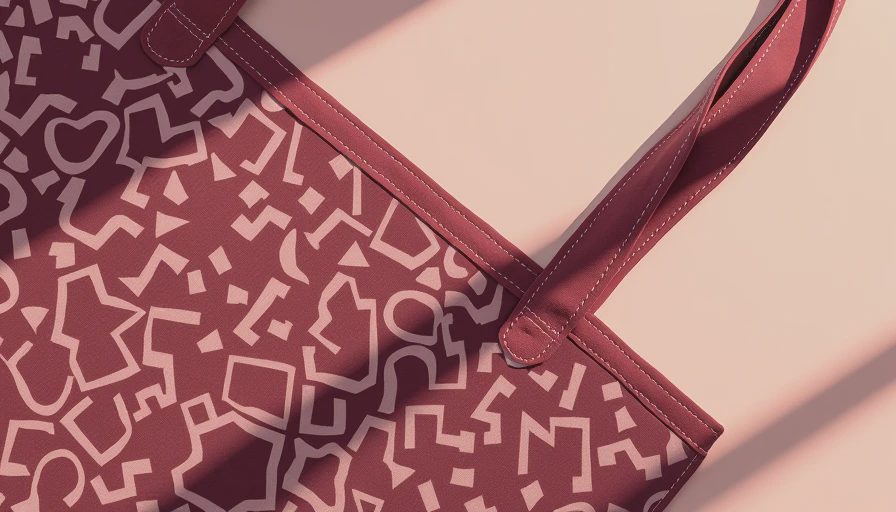
If you're looking to start sewing your own bags, finding the right bag and tote patterns can be overwhelming. I've been there—scrolling through endless PDFs, wondering which one won't leave me confused at the zipper step. Whether you want a simple grocery tote or a lined zippered pouch, these bag and tote patterns will get you started without the frustration.
Why Sew Your Own Bag and Tote Patterns?
The best reason to sew your own bags is control. You pick the fabric—that thrifted linen or remnant of waxed canvas—and you customize the size. Store-bought totes often lack inside pockets or are made of flimsy material. With bag and tote patterns, you can add a phone pocket, a key clip, or even a waterproof lining. Plus, you save money: most patterns cost under $10 (or are free), and a single yard of fabric can make two totes. I've sewn bags from old jeans and shower curtains. No such thing as a stupid question here—let's walk through it.
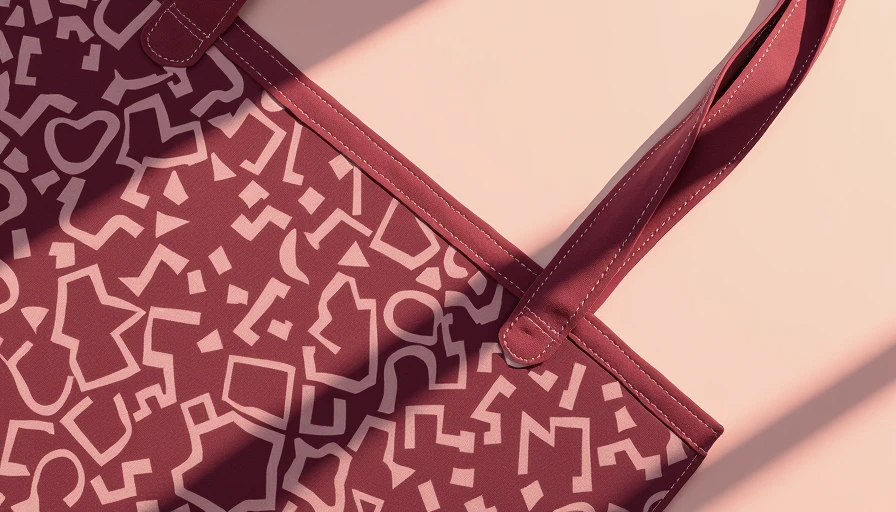
Top Bag and Tote Patterns for Beginners
**1. The Simple Tote** – A classic rectangle with straps. Great for learning straight seams and boxed corners. Look for patterns like the "Everyday Tote" by Noodlehead or the "Market Tote" from Purl Soho. These usually have a lining and optional pocket.
**2. The Zippered Pouch** – Perfect for practicing zipper installation. Patterns like the "Open Wide Pouch" by Noodlehead teach you to install both zipper ends and add a gusset. Start with a small cosmetic pouch before moving to larger tote versions.
**3. The Drawstring Backpack** – A fun weekend project. You'll learn casing, cord stops, and bottom seams. Many free bag and tote patterns exist for this style—try the "Drawstring Backpack" from SewCanShe.
**4. The Mock-Clutch** – A foldover bag with magnetic snap closure. Teaches you to work with interfacing and precise folding. Great for fabric scraps.
Tips for Choosing Fabric for Your Bag and Tote Patterns
Fabric choice makes or breaks a bag. For structured totes, use heavyweight cotton, canvas, denim, or home décor fabric (12 oz or more). For softer slouchy totes, try medium-weight linen or quilting cotton with firm interfacing. Avoid flimsy fabrics unless you're willing to interface heavily. I learned this the hard way: my first tote made from cheap cotton drooped and ripped within a month. Use Pellon SF101 or fusible fleece for stiffness. For bag and tote patterns that require structure, you can also buy bottom stabilizer or use plastic canvas sheets.

Common Mistakes and How to Fix Them
- **Twisted straps** – Always press straps after sewing, and mark the bag opening with notches.
- **Lining too small** – Cut lining the same size as outer fabric. If you shrink the lining, the bag won't fit evenly.
- **Zipper pull catches** – Use a zipper foot and make sure teeth are open before stitching. If it jams, backstitch and adjust.
- **Bulky seams** – Trim seam allowances and clip curves. Use a hammer to flatten thick canvas seams.
I once sewed a tote with the wrong side of the lining facing out. Instead of ripping it all, I added a topstitched binding—problem solved. Mistakes are learning tools.
Frequently Asked Questions About Bag and Tote Patterns
**Q: What is the easiest bag and tote pattern for absolute beginners?**
A: The simple tote with no zipper and minimal hardware. Look for patterns labeled "beginner" or "quick sew." The "Market Tote" by Purl Soho is free and lets you practice straight lines, boxed corners, and attaching straps.
**Q: How do I choose the right size for a bag pattern?**
A: Check the finished dimensions in the pattern description. For a daily carry, aim for at least 12" wide and 10" tall. If you need to fit a laptop, look for patterns that list a specific device size.
**Q: Can I resize a bag pattern?**
A: Yes, but be careful: resizing changes proportions. For simple shapes like totes, you can scale up by adding inches to all panels equally. For more complex patterns, it's easier to find a pattern that already matches your desired size.
**Q: Do I need a sewing machine for bag and tote patterns?**
A: A machine is strongly recommended for durability, but you can hand-sew a simple tote using a strong stitch like backstitch. Expect it to take much longer, and reinforce stress points with extra stitches.
**Q: What tools besides a sewing machine are essential?**
A: Sharp scissors or rotary cutter, cutting mat, ruler, pins or clips, seam ripper, iron, and a marking tool (chalk or disappearing pen). A walking foot helps with thick layers.
**Q: How long does it take to sew a bag from a pattern?**
A: A simple tote takes 1-2 hours. A lined zippered pouch takes 2-3 hours. More complex bags with multiple pockets and interfacing can take 4-6 hours. Break the project into steps: cut one day, assemble the next.
**Q: Where can I find free bag and tote patterns?**
A: Many blogs offer free PDFs. Popular sources include Purl Soho, SewCanShe, Swoodson Says, and So Sew Easy. Also search on Pinterest for "free tote pattern PDF." Some designers release free patterns as part of blog hops or seasonal events.
Where to Find Free Bag and Tote Patterns Online
The internet is full of free bag and tote patterns. Start with blogs like Purl Soho, SewCanShe, and Swoodson Says. Some designers offer hidden gems: the "Bento Bag" by Sew Sweetness is a versatile pattern for beginners. Also check Pinterest; search "free PDF bag patterns" to find curated collections. Ravelry even has a few bag patterns. Print at home or print shop for under $2. Remember to check the finished dimensions and skill level before you start.
Final Thoughts
Sewing your own bag is rewarding and practical. Start with a free bag and tote patterns like the Simple Tote, then move to zippered pouches. Pick a fabric you love, take your time, and don't be afraid to rip out seams. No such thing as a stupid question here—ask in the comments if you get stuck. Happy stitching!




No notes yet — write the first one.