If you've ever stood in a fabric aisle or scrolled an online shop wondering **how long is a yard**, you are absolutely not alone. No such thing as a stupid question here — let's walk through it. A yard is a basic fabric measurement, but it gets confusing fast because fabric is sold by both length and width. Once you understand that one yard equals 36 inches, shopping for thrift flips, simple mending, or a first sewing project gets much easier.
The simple answer: how long is a yard?
The short version is this: one yard is **36 inches** long, or **3 feet**. That measurement refers to the length of fabric cut from the bolt. So if you ask for one yard of fabric at a store, the staff cuts 36 inches off the roll for you.
Here is where beginners get tripped up: that does **not** mean the fabric is only 36 inches total in every direction. Fabric also has a width, and that width varies. Many cotton prints are around 44 to 45 inches wide. Home decor fabric can be 54 inches wide or more. Knits, denim, linen, and vintage deadstock can all vary too.
So when someone asks **how long is a yard**, the accurate answer is 36 inches in length, while the width depends on the fabric itself. Think of it like buying a slice off a giant roll. The length is standard. The width is not.
This matters a lot when you are planning a tote bag, skirt, pillow cover, or upcycled panel for a thrifted jacket.
Why width matters just as much as length
Let's say you buy one yard of quilting cotton that is 44 inches wide. Your piece is now 36 by 44 inches. Buy one yard of wider linen at 54 inches, and your cut is 36 by 54 inches. Same yard length, different amount of usable fabric.
That is why two shoppers can both buy a yard and walk away with pieces that behave very differently in a project. Here's what belongs / what doesn't: the yard tells you the cut length, but it does not tell you the full size of the fabric piece.
For beginner sewing, this matters most when you are laying out pattern pieces. A simple camisole might fit on one yard of wide fabric, while the same pattern could need more yardage if the fabric is narrow or directional. Stripes, plaids, and large prints can also require extra because matching the design eats up space.
When I started sewing thrifted yardage, this was one of my biggest mistakes. I thought one yard meant plenty. Here's what went wrong + how I fixed it: I ignored width, ended up short on a sleeve piece, and had to add a contrast panel. It looked intentional in the end, but I learned to check both numbers every single time.
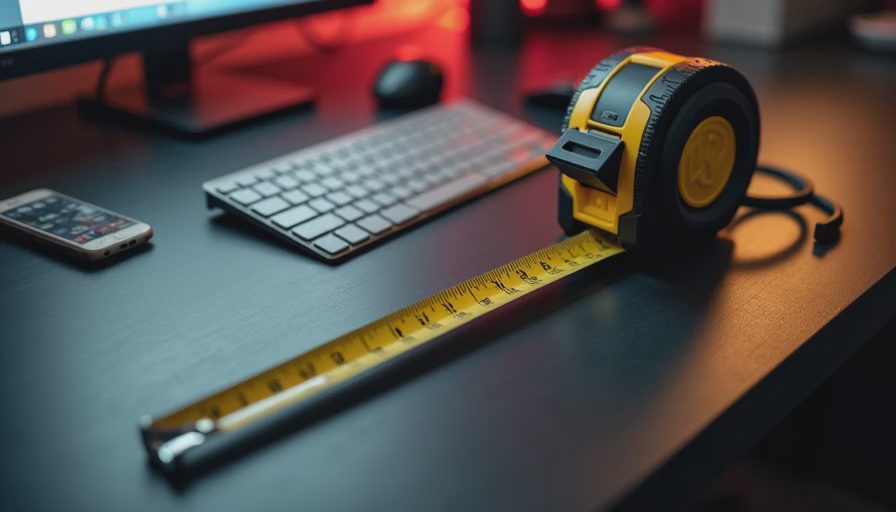
How much can you make with one yard of fabric?
One yard can go farther than you think, especially for small projects and upcycling. If you are practicing, one yard is often enough for scrunchies, bandanas, zip pouches, patch pockets, simple cushion covers, cloth napkins, or a basic tote depending on the pattern.
For clothing, one yard is usually enough only for smaller or simpler pieces. Think crop tops, simple elastic-waist shorts in some sizes, kids' clothes, tank tops, or accessory add-ons like detachable collars and headbands. It is usually not enough for full-length dresses, most pants, or long sleeves unless the pattern is specifically designed for low yardage.
If you thrift fabric or buy secondhand sheets, this gets even more useful. A flat sheet can give you several yards of fabric, but you still want to measure the actual usable area. Stains, worn spots, and seam lines can reduce what you can cut.
If you are buying online and trying to figure out **how long is a yard** in practical terms, picture a piece 3 feet long. Then add the listed width. That mental image helps you decide whether the fabric is enough for your project before you click buy.
Easy conversions that make shopping less stressful
A lot of sewing confusion comes from switching between fractions of a yard and inches. Once you know the common conversions, reading listings and patterns gets much easier.
Here are the basics:
- 1 yard = 36 inches
- 1/2 yard = 18 inches
- 1/3 yard = 12 inches
- 1/4 yard = 9 inches
- 2 yards = 72 inches
So if a seller offers a fabric piece listed as 1.5 yards, that means 54 inches in length. If a pattern calls for 2.25 yards, that equals 81 inches.
This is especially handy when shopping resale apps, estate sale bundles, or mystery fabric lots. Some sellers know sewing terms well. Others just type approximate measurements. If someone lists a piece as "about 36 inches long," that is basically one yard.
Tape measures help, but if you are out thrifting and forgot yours, use your phone notes to keep these conversions handy. It saves guesswork and keeps you from buying a piece that is cute but too small for the actual plan.
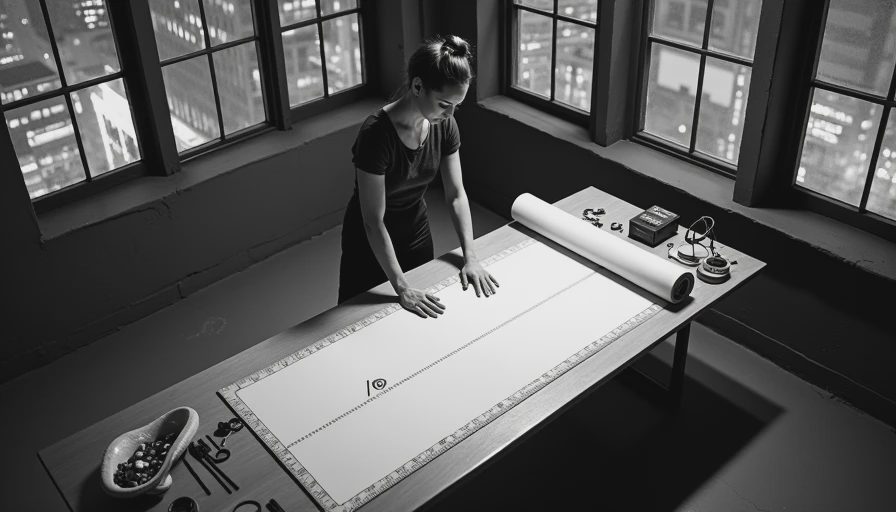
How to measure fabric correctly before you buy or cut
If you already have fabric at home and want to verify yardage, measuring is simple. Lay the fabric flat on a table or clean floor. Find the cut edge, then measure the length from one cut end to the other. That gives you the yardage length. Measure across the fabric from selvage to selvage to get the width.
If the fabric is folded, unfold it first if possible. A lot of beginners measure the fold and accidentally think they have less fabric than they do. Also watch for fabric that has been prewashed and shrunk slightly. Natural fibers like cotton and linen often tighten up a bit after washing.
For secondhand fabric, I also recommend checking for flaws before trusting the full measurement. Hold it up to light if you can. Look for fading, tiny holes, bleach spots, or weak areas near fold lines. Vintage fabric can be gorgeous, but sometimes the usable section is smaller than the measured section.
If you are cutting right away, mark your measurements with clips or chalk before using scissors. That extra minute prevents wonky cuts and saves a lot of regret.
Smart ways to buy the right amount for sewing and upcycling
When deciding how much to buy, start with your pattern or project goal, then add a little breathing room. For total beginners, an extra quarter yard is often worth it if your budget allows. Mistakes happen. Layouts shift. Fabric can skew. Giving yourself margin is cheaper than restarting.
For upcycling, think in zones instead of just yardage. A denim jacket back panel, a shirt sleeve, or a pillow front might only need a fraction of a yard. Larger transformations like skirts, matching sets, or lining pieces usually need more.
If you're still asking **how long is a yard**, the key takeaway is simple: a yard is always 36 inches long, but the full amount of usable fabric depends on width and condition. Once that clicks, fabric shopping gets a lot less intimidating.
No such thing as a stupid question here — especially with sewing math. Learn the size, measure twice, and you will make smarter buys for everything from thrift flips to first garments.



No notes yet — write the first one.