If you've spotted a kenmore sewing machine at a thrift store or on Facebook Marketplace, you're probably wondering if it's worth the money. Short answer: often yes. Kenmore machines were sold through Sears for decades, and the nameplate was put on models built by real manufacturers like Janome, Brother, and White. That means a used Kenmore can give you a sturdy metal machine for $25 to $75, while a comparable new beginner machine runs $150 to $300. Let's walk through what to check before you buy, how to fix the most common problems, and why these vintage workhorses are worth saving.
Why Kenmore Sewing Machines Are Everywhere in Thrift Stores
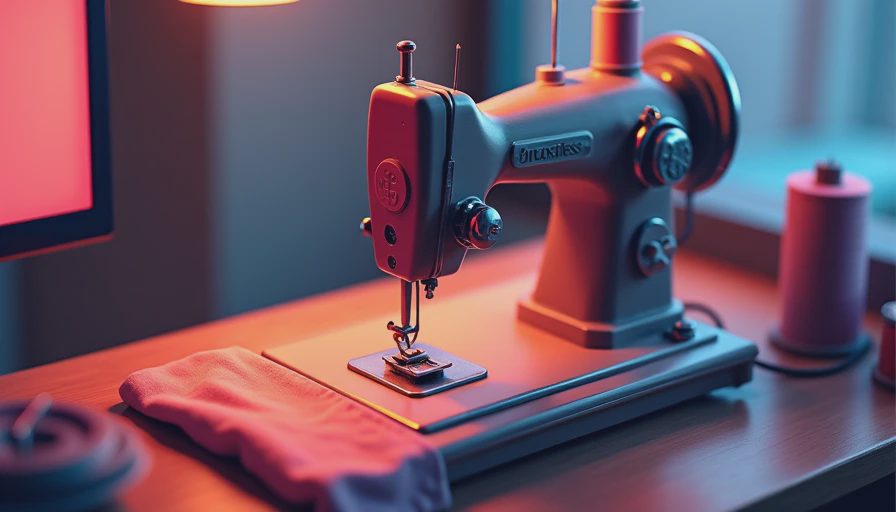
The reason these machines show up so often is simple: Sears sold Kenmore models for more than 60 years, and millions of homes had one. When estates get cleaned out, the heavy sewing machine is easier to donate than to cart to a scrapyard. A typical vintage kenmore sewing machine from the 158 series has metal gears, a solid straight stitch, and sometimes built-in zigzag. That is more than enough to mend jeans, shorten curtains, or upcycle a vintage dress. You don't need a computerized $400 machine to start sewing. No such thing as a stupid question here — if you are wondering whether an old Kenmore can be your first machine, the answer is almost always yes.
What to Look For Before You Buy a Used Kenmore
Before you hand over cash, you want to know if the machine has been stored in a dry place. Check the cord for cracks and the plug for bent prongs. Open the bobbin area and look for rust and old thread tangles. Turn the handwheel toward you; it should rotate with some resistance, not a hard stop. A clean, smooth handwheel is a great sign the machine was oiled regularly. Bring a piece of plain woven cotton and a spool of thread so you can test an actual stitch if the seller allows it. Most community members will tell you that a kenmore sewing machine with a smooth handwheel is a safer bet than one with a fancy cabinet and locked-up parts. And if the seller asks $80 for a rusty non-runner, walk away.

Common Issues and How to Fix Them
Most used Kenmore problems come from old grease and dried oil, not broken parts. If the machine runs slowly or sounds rough, oil the points shown in the manual. If stitches skip, change the needle first; a bent needle causes more skipped stitches than any tension issue. If the bobbin thread loops on top, your upper tension is too loose. If the top thread loops underneath, your bobbin tension is too tight. You can fix most of this in a few minutes. One thing that trips up beginners: the bobbin case on a vintage kenmore sewing machine may not match a modern universal case. When you buy a used machine, ask if it comes with the original bobbin case or a compatible one. I once bought a machine for $15 that jammed every few inches; the only issue was a cracked bobbin case. A $9 replacement fixed it completely.
Cleaning and Oiling a Vintage Kenmore
Set aside twenty minutes the first time you bring one home. Remove the needle plate, take out the bobbin and case, and brush out every bit of lint with a cheap nylon brush. Do not use canned air at an angle that blows lint deeper. Add one drop of sewing machine oil to every point shown in the manual; a little goes a long way. For gears, a very light coat of white lithium grease works well on older machines. Wipe off extra oil before you sew or you'll leave oil marks on your fabric. This simple routine is the single best way to make a $30 thrift store kenmore sewing machine feel like a $200 machine. You'll also catch small problems before they become expensive repairs.
Where to Find Parts, Manuals, and Which Models to Grab
Do not panic if the machine arrives without a manual. Search the model number on ManualsLib or in a vintage sewing group on Facebook. Many people post the exact manual as a PDF. For parts, check eBay, sewingpartsonline, and local vacuum-sewing shops. Kenmore used standard low shank feet on most models, so a universal snap-on foot set works for many machines. If you are new to vintage machines, look for a model number starting with 158; those are the classic metal-gear workhorses. Later 385 models are lighter and often more portable. Either way, parts for a kenmore sewing machine are easier to find than you'd think, because the brand was so common.
FAQ: Quick Questions From New Kenmore Owners
Q: I found a kenmore sewing machine at a garage sale for $10. Is it worth buying?
A: If the handwheel turns and the foot pedal is intact, absolutely. Even if it needs cleaning and oil, $10 is less than the cost of two coffees. You can usually get a full manual online for free.
Q: My kenmore sewing machine won't pick up the bobbin thread. What should I do?
A: Make sure the needle is pushed all the way up into the needle clamp. Hold the top thread gently, lower the needle into the bobbin area, and take one full stitch while the presser foot is down. If it still skips, check that the bobbin is wound counterclockwise and that the tail is pulled through the bobbin case tension spring.
Q: Is a Kenmore good enough for quilting or thick denim?
A: A vintage 158-series Kenmore with a walking or denim foot can handle several layers of denim and cotton. Go slowly and use a size 16 or 18 needle for heavy fabric. If you hear chugging, stop and turn the handwheel to finish the stitch.




No notes yet — write the first one.