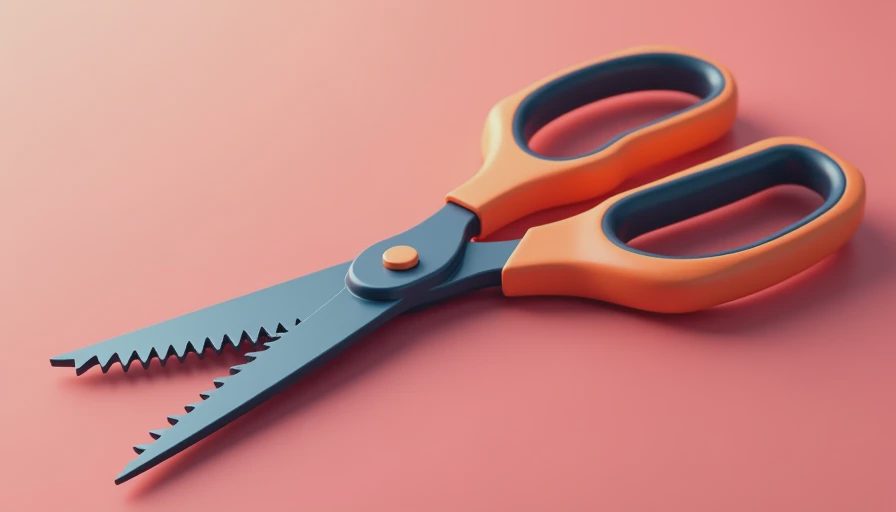
If you've seen **pinking shears** in a thrifted sewing kit or hanging on a craft store wall and thought, do I actually need these, you're not alone. They look a little dramatic, and beginner sewing guides sometimes mention them without explaining what they really do. No such thing as a stupid question here — let's walk through it. Pinking shears are specialty scissors that cut fabric in a zigzag pattern, which can help reduce fraying on woven fabrics and create a neat-looking edge when you do not want to haul out your sewing machine.
What pinking shears actually do
Pinking shears are not magic anti-fray scissors, but they are genuinely useful. The zigzag edge they create makes it harder for woven fabric threads to pull out in one straight line. That means raw edges often stay tidier longer than they would with a regular straight cut. They are especially handy on cotton, linen blends, lightweight wool, and plenty of thrifted garment fabrics that start unraveling the second you touch them.
Here's what belongs / what doesn't: pinking shears help manage fraying, but they do not replace a serger, overlock stitch, or proper seam finish when a garment will get heavy wear or frequent washing. If you are making an upcycled tote, trimming seam allowances inside a lined skirt, or finishing an edge on a costume piece, they can be enough. If you are remaking jeans or a jacket that will take a beating, you usually want something stronger.
One real-world note: cheap pinking shears often chew fabric instead of slicing it. I have used bargain pairs that left jagged, uneven cuts and made lightweight rayon bunch up between the blades. A decent pair feels smooth, heavy, and sharp all the way to the tip.
Best times to use pinking shears in upcycling
If you thrift and refashion, pinking shears can save time in a bunch of small jobs. They are great for clipping seam allowances after sewing curved areas, trimming facings, and cleaning up raw edges inside simple projects. They are also useful when you are testing a pattern shape in scrap fabric and do not want edges unraveling while you pin and fit.
For secondhand fashion projects, I reach for pinking shears when turning a too-long dress into a top, making a scarf from stable woven fabric, or trimming inside seams on a garment that already has a lining doing most of the hard work. They are also nice for craft-weight fabrics like felt blends, though felt usually does not fray much anyway.
Where beginners get frustrated is using them on the wrong fabric. Stretch knits, slippery satin, very loosely woven cloth, and thick denim are not always a good match. On knits, the pinked edge can curl or look messy. On bulky fabric, your hand gets tired fast and the cut can look choppy. Test on a scrap first if you can. That tiny step saves a lot of regret.
How to choose a pair that is worth your money
Not all pinking shears are created equal. If you are shopping secondhand, open and close them a few times before buying. The motion should feel firm but not grinding. Check the teeth carefully. If they look bent, chipped, or unevenly aligned, leave them behind unless you already know a sharpening service that handles serrated blades.
If you are buying new, expect decent pinking shears to cost more than basic fabric scissors. That higher price usually reflects the more complex blade shape and the extra force needed for clean cutting. Fiskars, Gingher, and Kai are commonly known names in sewing circles, though the best choice depends on your hand strength and budget. Some people love heavier all-metal shears; others prefer a softer ergonomic handle.
Test results inside: the easiest pair to live with is not always the fanciest one. Look for sharp cutting on cotton, smooth blade alignment, comfortable grip width, and manageable weight. If your hand cramps after a few test cuts, you will not enjoy using them on a real project.
How to use pinking shears without getting a messy edge
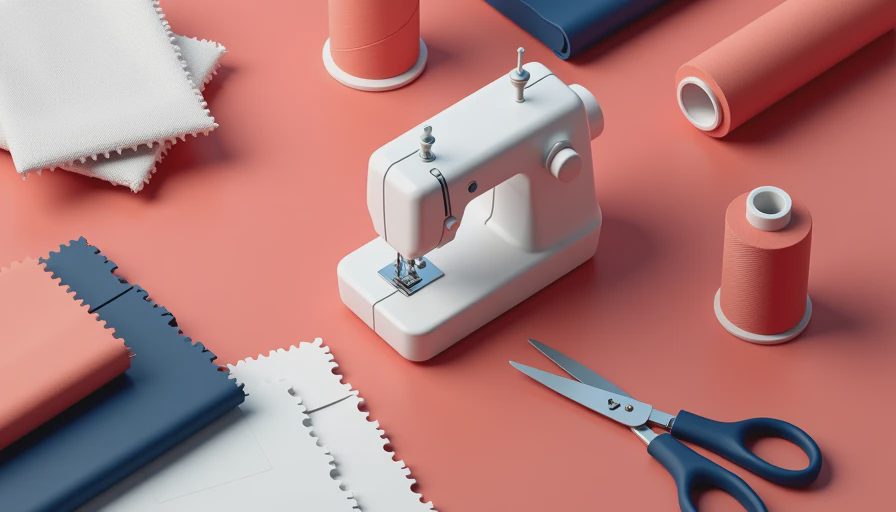
Using pinking shears well is mostly about control. Start by laying the fabric flat on a table instead of cutting in the air. Mark your cutting line first if appearance matters. Then make long, steady cuts, matching the last tooth of the previous cut into the first tooth of the next cut. That helps the zigzag line look continuous instead of staggered.
Do not force the blades through too much fabric at once. Most pinking shears perform best on one or two layers of midweight woven fabric. If the cloth slides, use pattern weights or pins outside the cutting line. For seam allowances, trim after stitching so you are reducing bulk and finishing the raw edge in one step.
Here's what went wrong + how I fixed it: when I first used pinking shears, I kept making short snips like I would with paper scissors. The result looked crooked and furry. Switching to slower, fuller cuts made a huge difference. Also, keep these shears for fabric only. Paper dulls them fast, and dull pinking shears are miserable.
Care, sharpening, and when not to bother
Good pinking shears can last for years if you treat them like a real sewing tool, not an all-purpose drawer scissor. Wipe lint off the blades after use, store them dry, and keep them closed when possible. A drop of oil at the joint once in a while can help the action stay smooth.
Sharpening is the tricky part. Because of the sawtooth edge, pinking shears are harder to sharpen than regular scissors. Some local sharpeners do it well, some do not, and a bad sharpening job can ruin the alignment. If a pair was cheap to begin with and now folds fabric instead of cutting it, replacement is often less frustrating than rescue.
And sometimes, honestly, pinking shears are not the answer. If your project needs durability, a zigzag stitch, French seam, bias binding, or serged finish will usually hold up better. But for quick upcycles, simple woven projects, and reducing fray without extra machine steps, pinking shears earn their place. If you find a solid pair that fits your hand, you'll probably end up using them more than you expected.


No notes yet — write the first one.