When you search for a sewing store near me, you may be looking for more than a roll of thread. You might need a zipper repaired, a beginner-friendly sewing machine, fabric for an upcycling project, or someone who can explain why your needle keeps snapping. The right local shop can save you money, prevent frustrating mistakes, and help you turn a thrifted find into something you will actually wear.
A good store does not need to be huge or fancy. It should have useful basics, staff who answer simple questions without judgment, and clear information about classes, repairs, and returns. Here is how to choose one that fits your project instead of buying supplies at random.
What to Look for in a Local Sewing Shop
Start by deciding what kind of help you need. A fabric-focused shop may carry quilting cotton, apparel fabric, denim, linen, interfacing, elastic, and specialty notions. A machine dealer may be better for test-driving models, arranging service, or learning how to thread a new machine. A craft chain can be convenient for everyday items such as polyester thread, universal needles, pins, and seam rippers, while an independent shop may offer more specialized advice.
When comparing a sewing store near me search result, read recent reviews for useful details rather than only looking at star ratings. Look for comments about staff knowledge, fabric quality, repair turnaround, class organization, and whether prices are clearly marked. A shop praised for helping a beginner choose a $150 machine is more useful than one described only as “cute.” Also check business hours before visiting. Many independent stores close one or two weekdays or operate limited weekend hours.
If you are shopping for vintage or secondhand clothing, ask whether the store sells repair-friendly supplies. A narrow zipper, matching bias tape, fine hand-sewing needles, lightweight fusible interfacing, and a washable fabric marker can make a bigger difference than expensive equipment. Bring a small fabric sample whenever possible. Staff can help you match weight, stretch, color, and thread more accurately than a phone photo.
Supplies Worth Buying In Person
Some sewing supplies are easy to order online, but local shopping has a real advantage when texture and scale matter. Hold fabric up to the light to check opacity. Stretch jersey across your fingers to see whether it recovers. Compare zipper teeth, elastic width, and thread color beside the garment you are repairing. These small checks help prevent the common mistake of buying something that looks close on a screen but fails during sewing.
For a basic alteration kit, look for sharp fabric shears, small thread snips, a flexible measuring tape, glass-head pins or clips, a seam ripper, hand needles, a washable marking pen, and all-purpose polyester thread. A beginner does not need every presser foot on the display wall. A reliable needle system and the correct needle size usually matter more. Universal needles work for many woven fabrics, while ballpoint or stretch needles are more appropriate for knits.
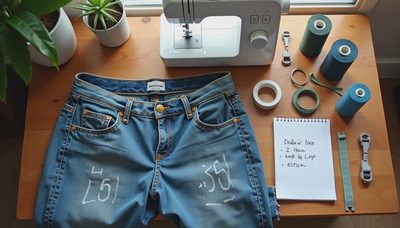
If you are repairing thrifted denim, ask about denim needles in sizes such as 90/14 or 100/16, heavy-duty thread, and a hump jumper for crossing thick seams. For delicate vintage fabric, choose a fine needle, lightweight thread, and a scrap for testing. Here is what went wrong in one of my early repairs: I used regular thread on a bulky waistband and tightened the stitch too much. The seam puckered immediately. The fix was simple—remove the stitches, switch to a longer stitch length, and reduce the thread tension after testing on a scrap.
Buying a Sewing Machine Without Regret
A sewing store near me can be especially helpful when you are comparing machines. Online prices often look attractive, but a local demonstration lets you hear the motor, test the foot pedal, check the control layout, and see whether winding a bobbin feels manageable. Ask to sew on two or three layers of cotton and a scrap of denim. You are not trying to recreate an industrial factory; you are checking whether the machine feels predictable.
For clothing repairs and beginner projects, a basic mechanical machine from brands such as Brother, Janome, Singer, or Bernette may be enough. Look for straight stitch, zigzag, adjustable stitch length, a free arm, a removable bobbin system you understand, and presser feet that are easy to replace. Computerized machines can offer convenient speed controls and decorative stitches, but extra features do not compensate for a confusing setup or poor local support.
Ask about warranty coverage, maintenance, lessons, and the cost of a basic service visit. A machine priced $50 less can become the worse deal if shipping a repair costs $80. You should also ask whether the shop accepts returns on unopened accessories and whether staff can help troubleshoot skipped stitches, tension problems, or bobbin jams. No such thing as a stupid question here—these are normal parts of learning.
Classes, Repairs, and Community Support
The best sewing store near me may be the one that offers practical support after the purchase. Beginner classes should explain threading, bobbin insertion, seam allowances, pressing, and safe cutting instead of rushing into a complicated project. A two-hour introduction can be more useful than a long list of advanced techniques because it gives you a repeatable setup routine.
For alterations, ask exactly what the shop handles. Some tailors specialize in hems and waist adjustments but do not repair home sewing machines. Some machine technicians service only selected brands. Get a written estimate before approving work, especially for vintage machines or garments with lining, beading, leather, or multiple layers. A simple hem might cost around $15 to $30, while replacing a lined zipper or reshaping a waistband can cost considerably more.
If a store hosts sewing circles, repair nights, or fabric swaps, that is a strong sign it understands how people actually sew. Community knowledge is valuable when you are working with a thrifted garment that has an unusual seam, brittle fabric, or a mystery fiber. You may leave with advice, a pattern adjustment, and a reminder that imperfect first attempts are normal.
A Simple Visit Plan for Your First Trip
Before visiting a sewing store near me, take photos of the garment or project from the front, back, and inside. Write down the fabric problem in plain language: “The sleeve is too long,” “I need to close this side seam,” or “The machine skips stitches on denim.” If you have fabric scraps, bring them. Also note your budget. Saying “I have about $25 for repair supplies” helps staff recommend a realistic kit instead of the most expensive option.
Once inside, compare at least two choices in each important category. Check whether thread feels smooth, whether scissors close cleanly, and whether elastic springs back after stretching. For fabric, inspect both sides and look for pulls, stains, uneven printing, or edge damage. Ask whether the material has been prewashed and whether it is likely to shrink. For a machine, request a demonstration rather than relying on a sales label.
Take notes on product names and prices before leaving. If you need time to decide, that is fine. A trustworthy shop will explain the difference between a $7 tool and a $25 tool without making you feel foolish. You can then compare the local purchase with online pricing while considering shipping, advice, and the ability to return quickly if something is wrong.
Making the Most of Your Local Search
Search maps, neighborhood groups, community colleges, and library bulletin boards for recommendations. Use terms such as “fabric store,” “sewing machine repair,” “alterations,” and “sewing classes” alongside sewing store near me because one business may not provide every service. Call before driving across town if you need a specific zipper size, serger thread, machine brand, or repair appointment.
A local shop can become part of your creative routine: buy a small amount of fabric for a test, learn the correct needle, repair a favorite jacket, and return when you are ready for a larger project. Start with a clear question and one manageable goal. Whether you are hemming thrifted jeans or learning to sew a tote bag, the right guidance makes the process less intimidating. Search for a sewing store near me, visit with your project in hand, and choose the place that helps you feel ready to try the next stitch.


No notes yet — write the first one.