Starting your sewing journey can feel overwhelming when you see a wall of gadgets at the craft store. But the truth is, you only need a handful of sewing tools in sewing to get started. Whether you're hemming thrift store finds or upcycling vintage sheets, these are the tools I've tested and trusted — and the ones you can skip.
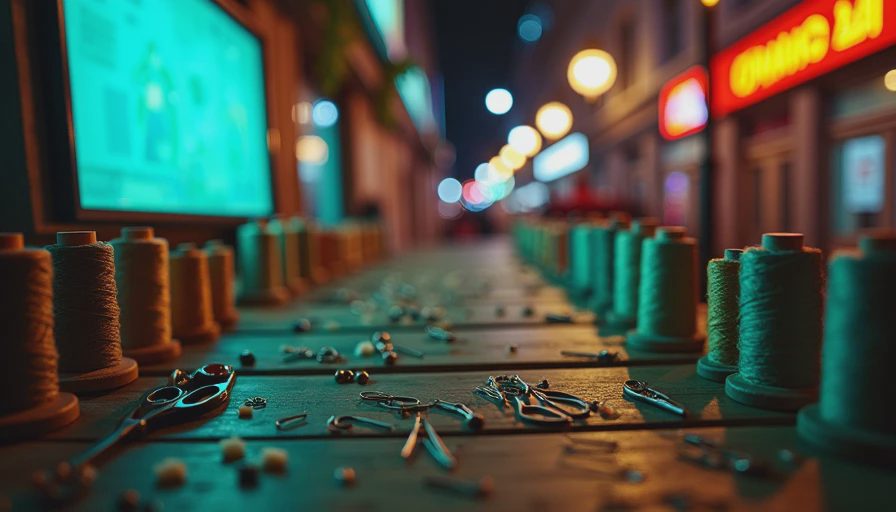
The Must-Have Sewing Tools in Sewing — and What You Can Skip
Let's be real: you don't need a $200 set of shears to cut your first project. Here's what I consider essential sewing tools in sewing for a beginner: a good pair of fabric scissors (Fiskars 8-inch, about $15), a seam ripper (the Clover Quick Rip is $5 and worth it), a pack of glass-head pins (Dritz, $5), an assortment of hand sewing needles ($4), a measuring tape ($3), and thread in a neutral color (Gütermann or Coats & Clark, $2 each). That's about $34 total — less than one nice takeout meal.
What can you skip? Pinking shears, tailor's ham, tracing wheel, and those fancy magnetic pin holders. They can wait until you've finished your first few projects. I learned this the hard way, buying a bunch of stuff I barely touched. Start simple.
Cutting Tools: Scissors, Rotary Cutters, and Snips
Fabric scissors are your most-used tool. Don't use them on paper — that dulls them fast. I keep a pair of Fiskars 8-inch titanium scissors for fabric only and a cheap pair for paper. A rotary cutter is great for straight lines, especially if you're cutting multiple layers. The Olfa 45mm ergonomic cutter is about $15, but you'll also need a cutting mat (at least $20 for a small one). If you're on a budget, stick with scissors. Snip-style scissors (like the Gingher 4-inch) are handy for clipping threads but not essential.
I once used kitchen scissors on a thrift store dress and butchered the fabric edge. Lesson learned: invest in one good pair of fabric scissors and guard them with your life.
Measuring and Marking: Why Accuracy Matters
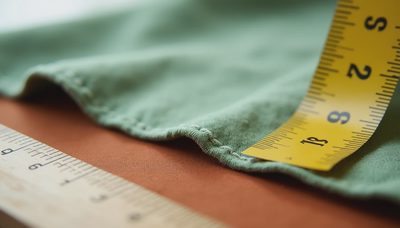
A simple measuring tape ($3 from any craft store) is fine. For marking, you have options: tailor's chalk, disappearing ink pens, or chalk pencils. I prefer the Clover chalk pencil ($6) because it doesn't wipe off too easily. Always test on a scrap of your fabric first — some markers leave permanent stains. A clear plastic ruler (6x24 inch, $8) helps mark straight lines and hems. For curves, a French curve is nice but not necessary.
Hand Sewing vs Machine Sewing: Tools for Each
Hand sewing tools: a variety of needles (sharp needles for woven fabric, ballpoint for knits), a thimble (I use a leather one from Clover, $8), and a thread conditioner (Beeswax or Dritz Thread Heaven, $5) to prevent tangling. For machine sewing, you'll need bobbins (make sure they match your machine), machine needles (Schmetz universal, $6 for a pack of 10), and a screwdriver for changing needles. A seam ripper is vital for both — I've used mine to fix many a wobbly seam.
One thing I wish someone had told me: change your machine needle after every 8 hours of sewing. A dull needle can snag fabric and skip stitches.
Pulling It All Together: Your Starter Kit on a Budget
Here's your actual starter kit with estimated costs:
- Fabric scissors (Fiskars 8-inch): $15
- Seam ripper (Clover Quick Rip): $5
- Glass-head pins (Dritz): $5
- Hand sewing needles (assorted): $4
- Measuring tape: $3
- Thread (neutral, 100% polyester): $2
- Tailor's chalk (Clover): $3
- Total: $37
If you add a rotary cutter and mat, budget another $35. But you can absolutely start with just the scissors and basic tools. I've made skirts, mended jeans, and upcycled shirts with exactly that set.
FAQ: Common Questions About Sewing Tools in Sewing
What's the most underrated cutting tool? A seam ripper. It's not just for mistakes — use it to open buttonholes, remove basting stitches, and even as a quick thread snip. The Clover Quick Rip ($5) is a lifesaver.
Do I need a specific brand of thread? Not necessarily, but skip the cheap no-name brands found at dollar stores. Gütermann and Coats & Clark are reliable and won't break mid-stitch. A spool costs around $2-3 and lasts a long time.
How often should I replace needles? For machine needles, every 8-10 hours of sewing or at the start of every new project. For hand needles, replace when they feel dull or bent. A pack of Schmetz universal needles ($6 for 10) can save you fabric frustration.
Can I use any scissors for fabric? No. Using paper or general scissors will dull them quickly on fabric. Buy a dedicated pair of fabric shears (Fiskars or Gingher, $12-20) and label them "FABRIC ONLY". Your fabric will thank you.
Keep It Simple and Start Stitching
You don't need every sewing tool in sewing to make something beautiful. Start with the basics listed here, add tools as your skills grow. Remember, no such thing as a stupid question here — what's your first project going to be?

No notes yet — write the first one.