If you're looking for skirt sewing patterns but feel overwhelmed by all the choices, you're in the right place. Skirt sewing patterns are the perfect starting point for anyone new to garment sewing — they're quicker than dresses, adjustable, and endlessly customizable. Whether you want a classic A-line, a trendy wrap, or a circle skirt that twirls, the right pattern makes all the difference. In this guide, we'll walk you through everything you need to know to pick, prep, and sew your first skirt with confidence.
Why Make Your Own Skirt? (Beginner-Friendly Benefits)
Making your own skirt saves money and lets you create a fit that actually works for your body. Ready-to-wear skirts often fit poorly in the waist or hips, but with skirt sewing patterns you can adjust the length, ease, and shape to your measurements. Plus, you get to choose exactly what fabric you want — maybe a vintage bedsheet from the thrift store or a remnant from a friend's stash. Skirt sewing patterns also build foundational skills like reading a pattern envelope, matching notches, and inserting an elastic waistband. Once you finish one, you'll have the confidence to try pants or a dress.
Choosing the Right Skirt Sewing Pattern for Your Skill Level
Not all skirt sewing patterns are created equal. Look for patterns marked "easy" or "beginner" — these usually use elastic waistbands, few pieces, and no tricky zippers or buttonholes. Some great first patterns include the Siroe by Tilly and the Buttons (a simple gathered skirt) and the free Beginner's Skirt from Mood Fabrics. Pay attention to the pattern size chart; size up if you're between sizes because it's easier to take a skirt in than to let it out. When shopping for skirt sewing patterns, check the back of the envelope for required notions and fabric yardage — you want a pattern that needs minimal supplies.
Essential Tools for Working with Skirt Sewing Patterns
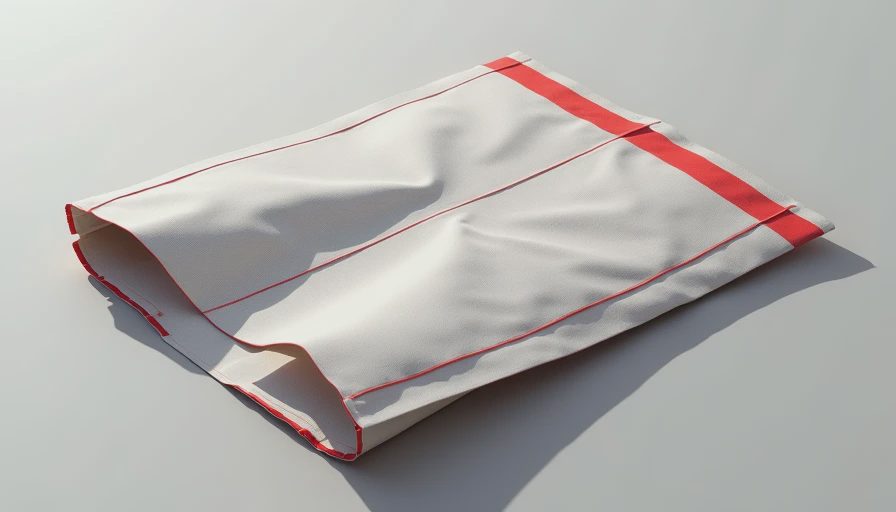
Before you cut, gather these basics: a pair of sharp fabric scissors (don't use them on paper!), pins or pattern weights, a measuring tape, tailor's chalk or water-soluble marker, and an iron. If you're using a PDF pattern, you'll need a printer, tape, and a clear ruler to check the test square. For skirt sewing patterns that include a waistband, having a sewing machine with a straight stitch and a zigzag or overcast stitch is ideal. A good pressing tool — an iron and a pressing cloth — is non-negotiable. Pressing seams as you go makes a huge difference in the final look.
Step-by-Step: How to Cut and Sew Your First Skirt
Once you've chosen your pattern and prewashed your fabric, lay it out on a flat surface. Following the pattern layout guide, place the pieces on the grainline — this is crucial for how the skirt hangs. Pin or weight them, then cut carefully. Next, transfer all markings: darts, notches, and fold lines. Sew the skirt together following the instructions: usually side seams first, then darts or pleats, then the waistband. For elastic-waist skirt sewing patterns, you'll create a casing and feed the elastic through. Hem last. Take your time and don't skip pressing between steps.
Common Mistakes and How to Fix Them
No such thing as a stupid question here — let's walk through what typically goes wrong. One common issue is cutting the wrong size because you skipped measuring. Always measure your waist, hips, and waist-to-hem length, and compare to the pattern's finished garment measurements. Another mistake is not reinforcing seams at stress points — backstitch at the beginning and end of each seam. If your skirt twists at the side seam, your grainline might be off; unpick and recut. With skirt sewing patterns that have a zipper, puckering happens if you don't baste first. Just rip it out and try again — fabric can handle a few mistakes.
Where to Find Free and Affordable Skirt Sewing Patterns
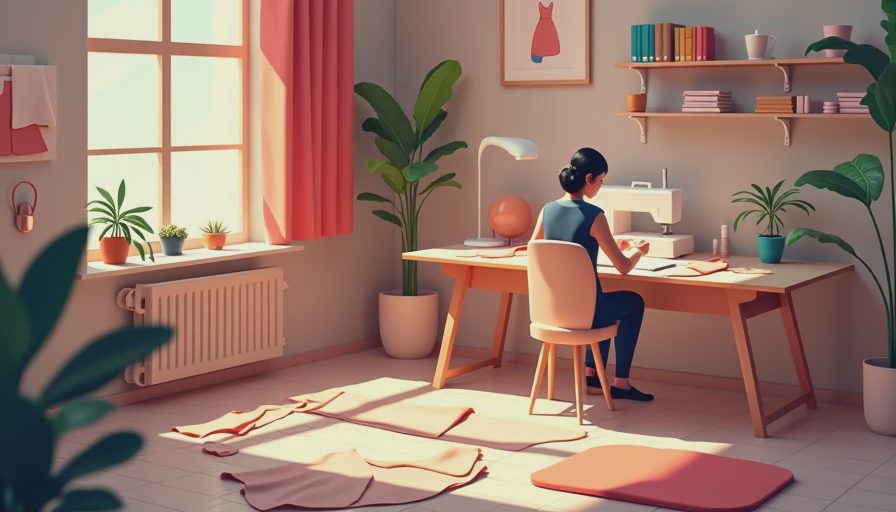
You don't need a big budget to start. Many indie designers offer free skirt sewing patterns as PDFs. Check Peppermint Magazine's free patterns, Mood Fabrics' free sewing patterns, and the Sew Liberated freebie. Etsy is full of affordable PDF patterns from small designers — look for ones with photos of real sewists, not just illustrations. If you prefer printed patterns, your local fabric store often has sales during holidays. Join online sewing groups on Reddit or Facebook — members frequently share their unused skirt sewing patterns or trade them. Remember, a pattern is just a tool; the real magic is in your hands.
Skirt Sewing Patterns: Frequently Asked Questions
How do I know what size to cut? Always measure your waist and hips and compare to the pattern's size chart. If you fall between sizes, go up — it's easier to take in than let out. Can I use any fabric for these patterns? Check the pattern envelope for suggested fabrics. Beginners should stick to cotton, linen, or stable knits. Avoid slippery silks or heavy denim at first. How do I shorten or lengthen a pattern? Most patterns have a hemline and a waistline. To shorten, measure from waist to desired hem, then fold the pattern at the shorten/lengthen line. To lengthen, cut the pattern at that line and spread. Always blend the side seams after adjusting. What if my skirt doesn't hang straight? Make sure your grainline is parallel to the selvedge and that you cut with the fabric on grain. Also, check that your seams are pressed in the correct direction. Can I skip the interfacing? Not for waistbands — interfacing gives structure and prevents stretching. For other parts, follow the pattern instructions. How do I care for my finished skirt? Wash according to fabric type. Most cotton skirts can be machine washed and tumble dried. Always check the fabric care label. What about using a serger? A serger is optional but helpful for finishing seams; you can also use a zigzag stitch. These are common questions beginners ask, and addressing them early saves frustration.



No notes yet — write the first one.