A vanson leather jacket can be a serious secondhand find: sturdy, practical, and built with motorcycle wear in mind rather than a one-season fashion trend. If you are browsing eBay, Grailed, Facebook Marketplace, or a local vintage shop, you do not need expert knowledge to judge one. You need a flashlight, a measuring tape, and a patient inspection. No such thing as a stupid question here — let’s walk through it.
What makes these jackets worth hunting for
Vanson is known for motorcycle-oriented leather apparel, and its jackets are generally designed for abrasion resistance, repeated wear, and functional movement. That usually means substantial leather, strong hardware, reinforced stitching, and a cut that can feel roomier through the shoulders than a modern fashion jacket. A vanson leather jacket may look plain on a hanger, but the details often explain the appeal.
The best examples have leather that feels dense without feeling brittle, smooth zipper action, intact snaps, and seams that remain firmly closed when you gently pull them apart. A used jacket can show creasing at the elbows or darkening around the collar and cuffs. Those marks are not automatically problems. In fact, natural wear can give the piece character. The expensive repairs are the issues to notice first: cracked leather, missing panels, torn pocket openings, broken zipper teeth, and shoulder or sleeve seams that have started to separate.
Do not assume every old jacket is valuable just because it carries a recognizable label. Condition, size, style, lining, and fit all affect what a fair price looks like. A basic used example might be found around $150 to $350, while excellent condition, unusual colors, older models, or protective motorcycle features can push prices higher. Treat those numbers as a starting point, not a guarantee.

How to inspect a vanson leather jacket before buying
Start with the label and interior. Photograph the neck label, care tag, lining, zipper pulls, and any armor pockets before sending payment. A seller who only posts a front photo is not necessarily dishonest, but you are missing the information needed to make a smart offer. Ask for pit-to-pit width, shoulder width, sleeve length, and back length measured flat. A listed chest size is useful, but actual measurements are much safer.
Next, inspect the leather in bright, indirect light. Healthy leather should bend without producing a network of pale cracks. A few fold lines are normal; deep cracking that exposes a dry, fuzzy surface is a repair warning. Look closely at the waistband, pocket corners, underarms, and sleeve ends because these areas experience the most friction. Sniff the lining and pockets, too. Light storage odor can often be aired out, but strong smoke, mildew, or chemical odor may take repeated cleaning attempts and still remain.
Test every closure slowly. Run the main zipper several times without forcing it, then check each snap and cuff adjustment. If a zipper catches, ask whether the teeth are bent or whether the slider simply needs replacement. A zipper repair can be manageable, often around $30 to $100 depending on construction. Replacing a large leather panel is a different project and can cost considerably more than the jacket itself.
Finding the right fit for riding or everyday wear
A vanson leather jacket should not fit like a thin shirt. The shoulders should sit near your natural shoulder line, and you should be able to bend your arms without the sleeves pulling sharply upward. Try it over the layer you expect to wear. A jacket that fits over a T-shirt may feel uncomfortably tight over a sweatshirt or protective gear.
For casual wear, you may prefer a little extra room through the chest and waist. For riding, excessive looseness can create movement and reduce comfort, particularly at highway speeds. Check sleeve length with your arms extended forward. Cuffs that stop several inches above the wrist can become annoying quickly, while very long sleeves may bunch around gloves.
Compare the seller’s measurements with a jacket you already own. Lay both garments flat and measure from armpit to armpit, across the shoulders, and from the collar seam to the hem. This side-by-side method is more reliable than guessing from a size tag. If you are between sizes, remember that heavy leather usually relaxes slightly with wear but does not stretch dramatically everywhere. Buying too small and hoping it will become roomy is one of our most common secondhand mistakes.
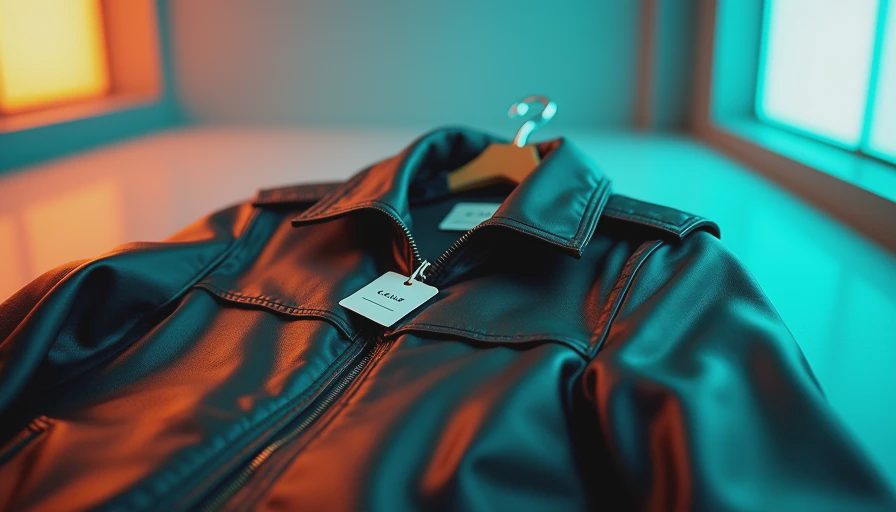
Cleaning and conditioning without ruining the leather
Before applying anything, test an unseen area such as the underside of the hem. Use a soft, dry cloth to remove surface dust. If the lining needs attention, turn the jacket inside out and spot-clean fabric with a barely damp cloth. Avoid soaking the garment, putting it in a washing machine, or using household disinfectant. Water can leave marks, and aggressive cleaners can strip oils or change the color.
Choose a leather conditioner made for finished leather, then apply a very small amount with a clean cloth. A dime-sized portion is enough to test a panel. Wait several hours before deciding whether to continue. Too much conditioner can leave a greasy surface, darken lighter leather, or attract dirt. If the jacket has white mildew, extensive staining, or a strong odor throughout, a leather specialist is safer than an enthusiastic bathtub experiment.
Here’s what went wrong + how I fixed it: a common DIY mistake is conditioning a dirty jacket immediately. The product mixes with dust and turns surface grime into a sticky film. The fix is simple: dry-brush first, wipe gently, let the jacket dry naturally, and only then condition sparingly. Never use a hair dryer or radiator to speed up drying. Heat can stiffen or distort leather.
Smart ways to personalize a vanson leather jacket
A well-fitting vanson leather jacket usually needs less alteration than a thrifted fashion coat, but small changes can make it feel more personal. Swapping removable zipper pulls, replacing worn lining panels, or adding a carefully chosen patch can work well. Use patches designed for leather or consult a repair shop before punching holes. Every needle hole remains in the hide, so test placement with paper or painter’s tape first.
Avoid cutting the body unless you have a clear plan and the tools to finish the new edge. Leather is less forgiving than denim. A home sewing machine with a standard needle may struggle, skip stitches, or break thread. For repairs, a leather needle, bonded nylon thread, clips instead of pins, and a walking-foot machine are more appropriate. If the seam carries stress, professional stitching is worth the cost.
Color changes are another risky project. Leather dye can produce an attractive result on some unfinished hides, but finished surfaces may resist it unevenly. Black over dark brown is usually less stressful than trying to turn black leather tan. Always test inside a pocket, and accept that a handmade finish may look different from a factory finish.
A practical secondhand buying checklist
Before you commit, save the listing photos and write down the seller’s measurements. Confirm whether armor, removable liners, belts, and original hardware are included. Ask directly about smoke exposure, mildew, pet odor, repairs, and storage conditions. These questions are normal, not rude, and a useful seller should answer them clearly.
Compare at least three similar listings instead of treating the first result as the market price. Check completed sales when the platform provides them. A jacket with a damaged lining should not be priced like a clean, ready-to-wear example. Build a repair budget before making an offer: simple cleaning may cost under $30 in supplies, while professional lining, zipper, or panel work can quickly reach $100 to $300 or more.
When the jacket arrives, photograph the package before opening it and inspect the garment immediately. Try it on indoors over your intended layers. If the measurements do not match the listing, contact the seller through the platform before altering or cleaning anything. That preserves your options.
A good vanson leather jacket is not just a label; it is a durable piece with a fit and condition that suit your actual life. Buy the measurements, inspect the stress points, and care for the leather slowly. With that approach, even a beginner can find a jacket worth wearing for years instead of an expensive repair project hiding behind a cool photo.




No notes yet — write the first one.