Master the Basics: Beginner Sewing Tips for Machines, Fabric Prep, and Stress-Free First Projects
Building a solid sewing foundation takes less cash than you think and saves you from the frustration of tangled threads and shrunken hems. Starting with the right machine and pre-washed fabric prevents ruined projects and keeps your budget under control. Whether you're 改造 a thrifted denim jacket or making your first tote bag, these basics will help you sew with confidence.
What You Need
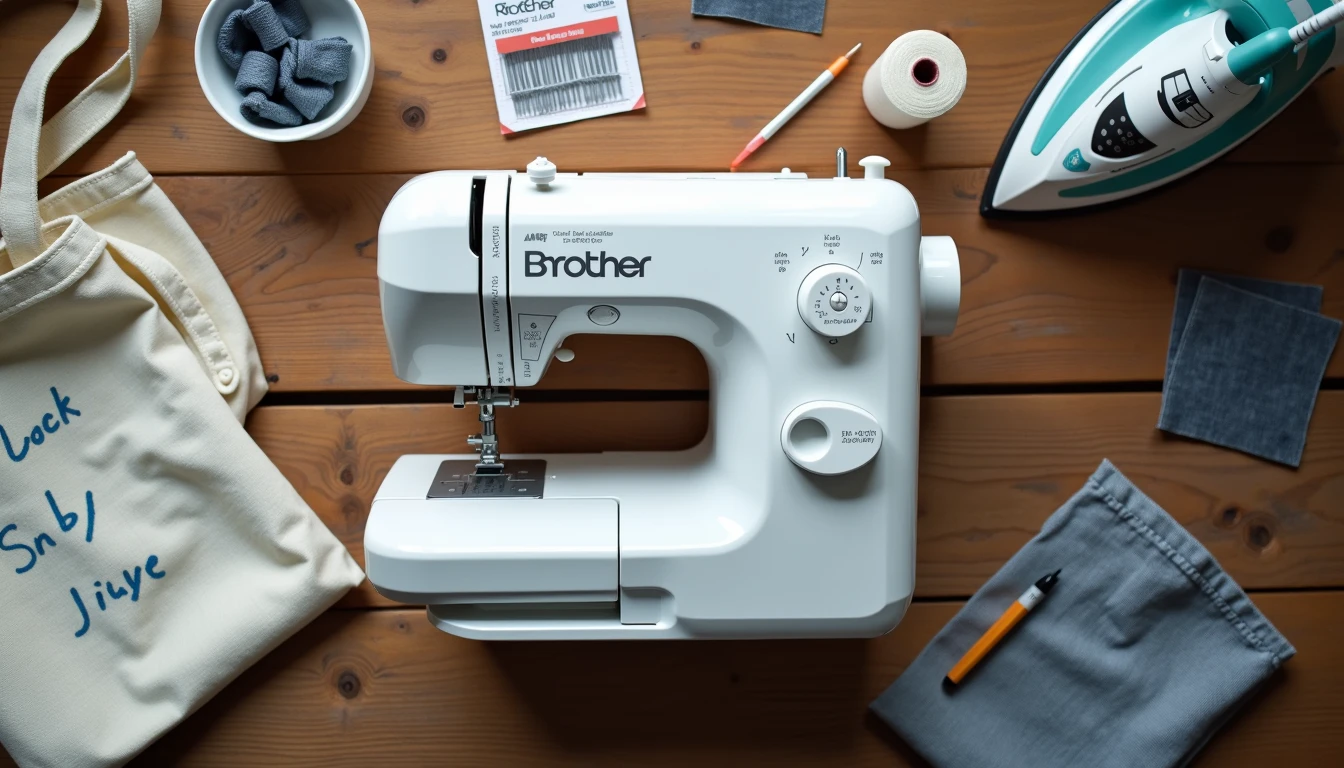
Sewing Machine: A basic Brother sewing machine from Walmart or a comparable larger model. Avoid miniature machines; they lack quality and dependability for hems and repairs.
Needles: General needles for cotton or quilting fabric. Specific needles for denim or stretchy jersey. Match needle type and size to the fabric you're working with.
Thread: Quality thread that matches your fabric. Cheap thread breaks easily and weakens seams.
Tools: Iron for pressing seams. Owner's manual for machine maintenance.
Starter Projects: Pillow covers, pajama pants, a gathered skirt, or tote bags.
Skill Level: Beginner.
Time: A relaxed weekend for your first project.
How To Do It
1. Choose Easy Projects: Don't start with something too difficult or you'll get frustrated. Build confidence with simple items like pillow covers, pajama pants, a gathered skirt, or tote bags.
2. Pre-Wash Fabric : If your item will be washed, pre-wash the fabric before cutting. This prevents shrinkage after you sew. Use the same temperature you plan to use later; if you wash bedding in hot water, pre-wash pillowcase fabric in hot water.
3. Measure First: For garments, take accurate body measurements before starting. This saves fabric and time by ensuring you don't make a piece that is too small.
4. Select the Right Needle: Use a general needle for cotton or quilting fabric. Switch to the correct needle type and size for denim or stretchy jersey to get the best results.
5. Use Quality Thread: Invest in good thread that matches your fabric. Strong, durable seams depend on it.
6. Practice Straight Lines: Practice stitching in a straight line. This is the foundation; without it, you won't be able to do much.
7. Experiment with Stitches: Try straight stitch, zigzag stitch, and decorative stitches. Even if you don't use them now, these skills help in future projects.
8. Press Seams: Press your seams with an iron after sewing. This gives professional-looking results and makes following sewing patterns easier.
9. Maintain Your Machine: Keep your sewing machine clean and well-maintained. Save the owner's manual for directions on oiling and maintenance to ensure optimal performance.
10. Learn to Read Patterns: Start understanding how to read sewing patterns as you progress.
Where It Goes Wrong
The Mini Machine Trap: Inexpensive miniature sewing machines seem like a good entry point, but they are difficult to use and lack the quality needed for real work. They might be okay for kids to start an interest, but if you want to sew hems, make clothing repairs, or tackle beginner projects, you need a larger machine. The tiny machines just don't have the dependability.
Thread Snapping: Using cheap thread leads to breakage mid-seam. Switch to quality thread to avoid frustration and weak seams.
Post-Sew Shrinkage: If you skip pre-washing, your finished item might shrink in the wash, ruining the fit. Always pre-wash fabric at the temperature you plan to use later.
Wrong Needle Issues: Using a general needle on denim or jersey causes skipped stitches or damage. Always switch to the correct needle type and size for the fabric.
Skipping Measurements: For garments, not measuring first wastes fabric and time. Measure accurately before cutting to avoid making a garment that is too small.
Pro Tips
Budget Machine Win: You don't need to spend a lot to start. A basic Brother sewing machine from Walmart is a solid choice that suits beginner needs without breaking the bank.
Stitch Practice Pays Off: Practice different stitches even if you don't need them immediately. Knowing how to use zigzag or decorative stitches expands what you can do later.
Maintenance Routine: Keep your machine clean and refer to the owner's manual for oiling. Regular maintenance keeps performance optimal and extends the life of your machine.
Ironing is Non-Negotiable: Pressing seams isn't just for looks; it helps with pattern assembly and gives your work a professional finish. Make it a habit after every seam.
Bottom Line
Start with the basics and build your skills gradually. Use a reliable larger machine, pre-wash your fabric, and practice your straight lines. If you stick to easy projects like tote bags or pillow covers first, you'll avoid frustration and learn the techniques needed for more complex Transformation. For simple hems, repairs, and beginner projects, a basic Brother machine and quality notions are all you need. If a project requires advanced techniques beyond your current skill, consider taking it to a tailor, but don't let that stop you from starting your sewing journey today. Your first attempt might be rough, but that's normal—the second one is where it clicks.