So you want to sew an apron, but you don't have a pattern? No worries! Making your own **apron sewing pattern** is easier than you think. Whether you're a total beginner or just looking to customize a thrifted find, this guide will walk you through every step. No such thing as a stupid question here — let's walk through it together.
First things first: you don't need a fancy store-bought pattern. A homemade **apron sewing pattern** lets you control the fit, length, and style. Plus, you can use fabric from an old bedsheet or a thrifted tablecloth — perfect for the budget-friendly upcycler.
Choosing the Right Fabric for Your Apron
The fabric you choose makes a big difference. For a sturdy apron, go with cotton canvas, denim, or linen. If you're using thrifted material, look for **apron sewing pattern** weight fabrics that aren't too flimsy. I once used a vintage curtain panel — worked great, but I had to reinforce the top edge. Here's what to look for:
- **Medium-weight woven fabrics**: 100% cotton, cotton blends, or even light twill.
- **Avoid stretchy knits**: they'll sag and make your **apron sewing pattern** wonky.
- **Thrifted options**: check the home linens section for flat sheets, tablecloths, and napkins.
Remember, you'll need about 1 yard for a half apron or 1.5 yards for a full apron. Always pre-wash your fabric (especially thrifted stuff) to prevent shrinkage after you sew.
Taking Accurate Measurements
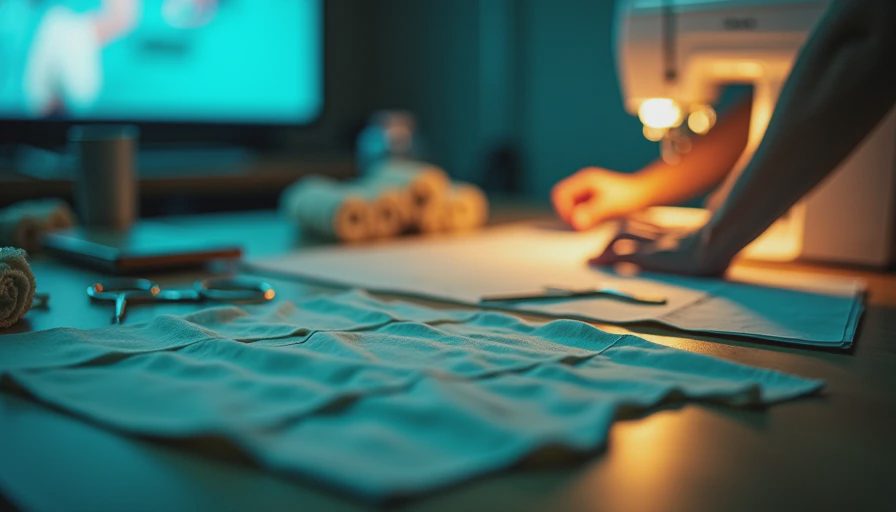
This is where most beginners get nervous, but trust me — it's simple. You'll need a flexible measuring tape, paper, and a pencil. Write down these three numbers:
- **Waist measurement**: where you want the apron to sit (natural waist or lower).
- **Length from waist to hem**: decide if you want it to hit above the knee or mid-calf.
- **Width across chest or waist**: for a full apron, measure across your chest and add 2-3 inches for overlap.
Your **apron sewing pattern** will be built around these measurements. I usually draw a rectangle the width of my waist plus 6 inches for ties, then shape the top for armholes and neck. Don't worry about perfection — you'll refine on a muslin first if you want.
Drafting Your Apron Pattern
Now it's time to put pencil to paper. If you don't have pattern paper, newsprint or butcher paper works fine. Here's a simple method for a basic half apron:
- **Step 1**: Draw a rectangle: width = your hip measurement divided by 2 (if you want a front-only apron) or full width for wrap-around, plus 2 inches for seam allowances. Length = from waist to desired hem plus 2 inches.
- **Step 2**: Round the bottom corners using a plate or bowl.
- **Step 3**: For the top, decide if you want a straight waistband or curved bib. If you want a bib apron, draw a separate rectangle from chest to waist, then curve the top edges for neck and armholes.
- **Step 4**: Add gentle curves under the arms using a French curve or freehand.
Your **apron sewing pattern** should look like a T-shape or a simple rectangle with ties. Label all pieces and add grainline arrows. I always note the direction of the fabric's pattern so nothing ends up sideways.
Cutting and Sewing
Pin your **apron sewing pattern** to the fabric, then cut carefully. For thrifted fabric, watch for stains or weak spots — I once cut into a beautiful tablecloth only to find a hidden hole. Check first!
Sewing tips:
- Use a ½-inch seam allowance for most seams.
- Finish raw edges with a zigzag stitch or pinking shears to prevent fraying.
- Press all seams as you go. This makes a huge difference in how professional your apron looks.
Start with the side seams, then hem the bottom and edges. For straps, you can use bias tape or fold over 1-inch strips of fabric. I recommend making the ties extra long (at least 20 inches) so they're easy to tie behind your back.
Adding Pockets and Finishing Touches
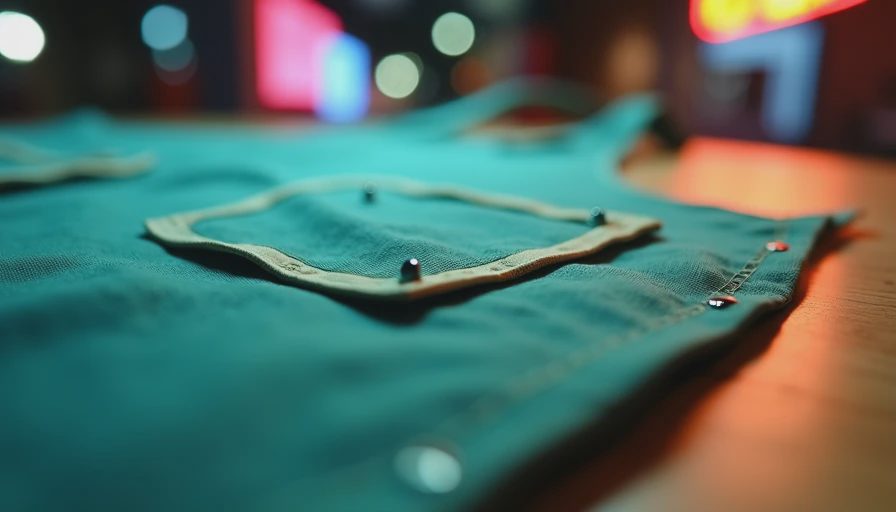
Pockets are the best part of an apron. You can make one big pocket or several smaller ones. Cut a rectangle 6 by 8 inches, hem the top edge, then place it at a comfortable spot on the front of the apron. Stitch around three sides, leaving the top open. If you want a divided pocket, just add a vertical stitch.
For extra charm, try these ideas:
- **Contrast piping** or bias tape along the edges.
- **D-rings** on the neck strap for adjustability.
- **Hanging loop** on the side to hold a towel or potholder.
Remember, your **apron sewing pattern** is yours to modify. I always add a small pocket for my phone or recipe card. No shame in making it work for you.
Upcycling Thrifted Fabric
Since StitchSwapTalk is all about secondhand and vintage, here's a tip: look for fabric in the home aisle of your thrift store. Old tablecloths, curtains, and even bed skirts can become amazing aprons. Check for natural fibers — cotton, linen, and wool work best. Avoid polyester satin unless you want a slippery apron.
One of my favorite **apron sewing pattern** projects used a vintage floral tablecloth. The pattern was misaligned a bit, but that's part of the charm. Plus, the fabric was already soft from years of use.
A Note on Fit and Adjustments
Your first **apron sewing pattern** might not be perfect. That's okay! Here's what to adjust if something feels off:
- **Apron too short**: add length before cutting your next one.
- **Neck strap too tight**: make it longer or add a button closure for side-release.
- **Gapes at the sides**: take in the side seams or add darts at the waist.
I keep a notebook with all my measurement adjustments for future projects. It saves time and fabric.
Ready to Start?
You've got everything you need to draft your own **apron sewing pattern**. Whether you're making one for yourself, a gift, or to sell on a thrifted-goods shop, the process is the same. Start with simple shapes, use quality fabric (even from thrift stores), and don't be afraid to rip out a seam if it's not right. No such thing as a stupid question here — just stitch, cut, and learn.
Happy sewing!


No notes yet — write the first one.