If you love thrifting and upcycling, you know the feeling. You find a vintage dress with a stain or a jacket missing a button, and you think, "If only I had the right fabric." That's where G Street Fabrics comes in. This long-running fabric store in the Washington, D.C., area is a favorite among sewists who want quality materials without the big-box craft store crowds. Whether you're a beginner doing your first mending project or a seasoned upcycler hunting for the perfect accent fabric, this store can change everything.
What Makes G Street Fabrics Different from Big-Box Craft Stores
Many fabric stores focus on quilting cottons and basic broadcloth. G Street Fabrics carries a deep selection of apparel fabrics like linen, silk, denim, and stretch knits, plus home decor sections with upholstery and drapery materials. That range matters for upcyclers because you often need a specific weight or texture to match an existing garment. The store also has a well-stocked remnant section where you can find a yard of interesting fabric at a steep discount. The staff in the Rockville location have seen plenty of DIY projects, so asking for advice on which fabric will hold up for a patch or a panel gets you a genuinely helpful answer. For a community that lives on thrift store hauls, having access to a place that sells single yards without judging your project is a real gift.
How to Shop G Street Fabrics on a Budget (or While Thrifting)
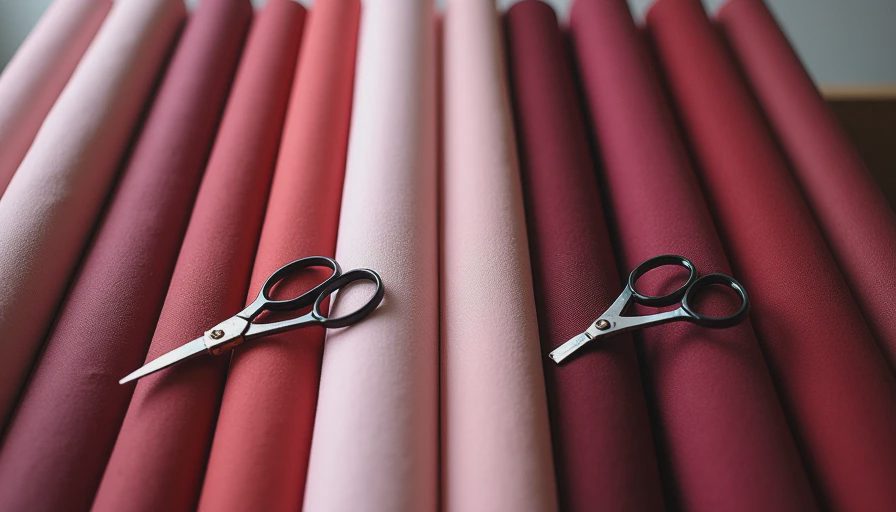
You don't need to be rich to make this store work for you. Start with the remnant table. These cut pieces often cost half of the regular per-yard price, and many are a yard or more. If you're planning to patch a pair of jeans or add a contrasting cuff to a blouse, a half yard is usually enough. Look for the clearance section especially at the end of a season. I once picked up burnt-orange linen for $4 that became the inside lining of a refurbished thrifted blazer. Another trick is to bring the garment you want to match. Lay the fabric against the original item right there in the store. Natural light in the Rockville shop makes color matching easier, but even better is holding it next to the actual fabric you're working with. This saves you a return trip and a lot of guesswork.
Using Remnants from G Street Fabrics for Upcycling Projects
The real magic of a fabric store like this is how it unlocks specific projects. For example, a thrifted denim jacket with a frayed hem can get a new life with a strip of bold printed twill. A wedding dress from Goodwill that needs extra coverage can be modified with a layer of ivory chiffon. I also love using remnants to make bias tape, which instantly gives a plain kimono or a tote bag a professional finish. When you're flipping clothes, the details matter. A fabric store with a broad selection means you can find the exact shade of olive or mustard that makes your project look intentional, not like a last-minute fix. And if you're unsure whether a fabric will work, grab a swatch from the bolt and take it home to test a seam before you commit.
What to Bring and What to Look For: A Shopper's Checklist
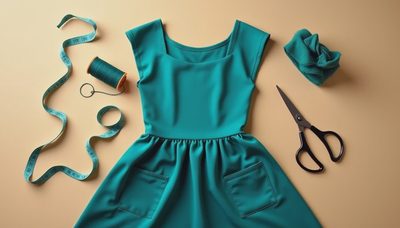
On a practical level, a few tools make a fabric store trip smoother. Bring a measuring tape so you can estimate yardage without guessing. A small pair of fabric scissors is handy for cutting swatches if the store doesn't provide them. Bring a list of your next three upcycling projects, because it's easy to get distracted by all the beautiful options. Look for the end-of-bolt discounts and know that G Street Fabrics often runs sales on specific categories, like denim or silk. If you're assembling an entire project, always buy a little extra fabric, say a quarter yard more than you think you need. That extra margin saves you if your first cutting line wobbles or the fabric shrinks in the wash. This advice keeps your first projects from becoming frustrating.

A Beginner Fail and How I Fixed It
Here's what went wrong and how I fixed it. I once tried to replace the sleeves on a thrifted flannel shirt with some stretchy jersey from the fabric store. I didn't check the stretch direction, and the sleeves ended up pulling tight around my forearms. I had already cut into the fabric, so returning it wasn't an option. Instead, I unpicked the sleeves and used the jersey for a pair of leggings, then went back to the store and bought a woven flannel which was much closer to the original. The lesson? Ask the staff about fabric stretch and recovery if you're replacing a functional piece. No such thing as a stupid question here. The staff at the store will happily point you to the right weight and weave for the job.
Is G Street Fabrics Worth a Trip If You Don't Live in DC?
If you're outside the Washington area, don't despair. While G Street Fabrics is a physical shop, its online store ships widely, and the website shows a good chunk of the fabric inventory. You can order swatches before committing, which is the same advice I'd give for any fabric purchase. The key takeaway is to treat a fabric store as a tool for upcycling, not a place that only serves quilters. Whether you visit this specific store or find an independent shop near your town, the same principles apply: use remnants, ask for help, and hold fabric against the garment you're repairing. Shopping secondhand plus a good fabric source is the perfect combo for creating clothes that actually fit and feel like you. Next time you're planning a thrift transformation, put this shop on your list. And if you try one of these projects, share your results.
No notes yet — write the first one.