If you love sewing, thrifting, and turning old clothes into something new, Vogue Fabrics Evanston should be on your radar. This independent fabric store has been a hub for Chicago-area sewists for years, offering everything from garment fabric and quilting cotton to patterns, trims, and buttons. In this guide, we’ll walk through what makes this store special, how to shop it wisely, and how to use your finds for upcycling projects.
Whether you’re a complete beginner or a seasoned DIYer, a trip to Vogue Fabrics Evanston can feel overwhelming. The shelves are packed with color and possibilities. Let’s break it down, one step at a time.
What You’ll Find Inside Vogue Fabrics Evanston
Walk into Vogue Fabrics Evanston and you’ll see rows of bolts organized by fiber and end use. There are lightweight cottons for shirting, drapey rayon prints for summer dresses, cozy wools for jackets, and stretch knits for activewear. You’ll also find quilting cottons from brands like Kona and Moda, plus shelves of patterns from the big four companies and indie designers.
The notions wall will not disappoint. Zippers, buttons, snaps, elastic, and thread in every color. Interfacing and fusible webbing live nearby, which is great when you need to stiffen a collar or hem. If you're working on an upcycle, grab a spool of heavy-duty thread and a pack of denim needles at the counter.
How to Shop Vogue Fabrics Evanston for Upcycling Projects
You don’t have to buy full yardage to start an upcycle. This store often has a remnant section or sale tables where you can pick up smaller pieces for a few dollars. That’s perfect for patching, pockets, and trim. If you’re adding a contrasting panel to a thrifted dress or mending a worn elbow, a half-yard of linen from the remnant bin can be exactly what you need.
Before you go, take a clear photo of the garment you plan to alter and note how it behaves when washed. That way, you can match a similar fabric when you shop. A cotton twill jacket needs sturdy cotton twill, not flimsy rayon. Learning to read fabric labels helps you make smarter choices.

Budget-Friendly Tips: Remnant Bins, Sales, and More
Fabric stores can feel expensive if you’re used to thrift prices. But there are smart ways to shop. Look for the sale section first; many stores rotate seasonal colors and deeply discount bolts that are almost gone. Remnant bins are your best friend. A remnant is often 1/2 yard to a full yard, marked down because it’s a small cut. That’s plenty for a tote bag, a patch, or a test muslin.
Another tip: sign up for the store’s newsletter or follow its social media for class schedules and special sales. Some local stores offer a discount on your first visit if you join their mailing list. The staff at Vogue Fabrics Evanston are usually happy to share a heads-up.
Pairing Fabric Store Finds with Thrifted Clothing
The real magic happens when you combine fabric store finds with thrifted clothing. Say you found a plain denim jacket that fits a little loose. Buy a contrasting cotton fabric and add patch panels along the sides or elbows. Or maybe you scored a vintage skirt with a stain. Cut out the stained area and replace it with a new fabric panel. Done right, it looks intentional and gives the garment a second life.
Another example: a basic corduroy skirt from Goodwill can become a seasonal staple if you add a hem band of printed fabric. Wash the new fabric before sewing so it doesn’t pucker later. And remember to prewash thrifted garments too.

A Beginner’s Guide to Your First Fabric Store Visit
If you’re new to a real fabric store, no such thing as a stupid question here. Let’s walk through a simple mission. Step one: pick a small project, like a fabric bookmark or a drawstring bag. Step two: bring a list — a quarter yard of woven cotton, matching thread, and a hand needle. Step three: find the cotton section and feel the cloth. Does it feel crinkly or smooth? Hold it up to the light. These cues tell you a lot.
When you’re ready, cut or tear a swatch and ask a staff member for help finding the right yardage. The staff has seen it all, from first-time sewists to costume makers. Tell them what you’re making and they’ll point you to the right section. Buy a little more than you need if it’s a small amount, because fabric can measure differently after washing.
Turn a Thrifted Dress into a New Layer
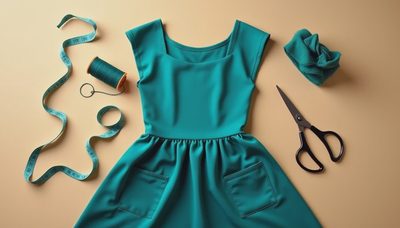
Ready to test your skills? Here’s a simple upcycle that uses supplies from Vogue Fabrics Evanston. Start with a plain, long-sleeve thrifted dress. Buy a half-yard of lightweight cotton in a color that pops. You’ll need a cutting mat, rotary cutter, and ruler. Lay the dress flat and cut two rectangular panels for the side seams. Pin the new fabric to the side of the dress, right sides together, and stitch from the underarm to the hem. Do the same on the other side. Before you know it, you’ve added a sporty racing stripe.
Here’s what went wrong when I tried this: I skipped the prewash and the panel pulled. Soak the new fabric in hot water and dry it the same way you plan to wash the dress. Then cut. This small step makes a big difference.


No notes yet — write the first one.