If you love secondhand fashion and DIY upcycling, B and J Fabrics needs to be on your radar. This New York City fabric institution has been a go-to for designers and costumers for decades, but it is also a goldmine for anyone who wants to sew their own clothes or repurpose old garments. In this guide, I will walk you through what makes the store so special, how to shop the remnants, and what to leave on the bolts.
What Makes B and J Fabrics Worth the Trip
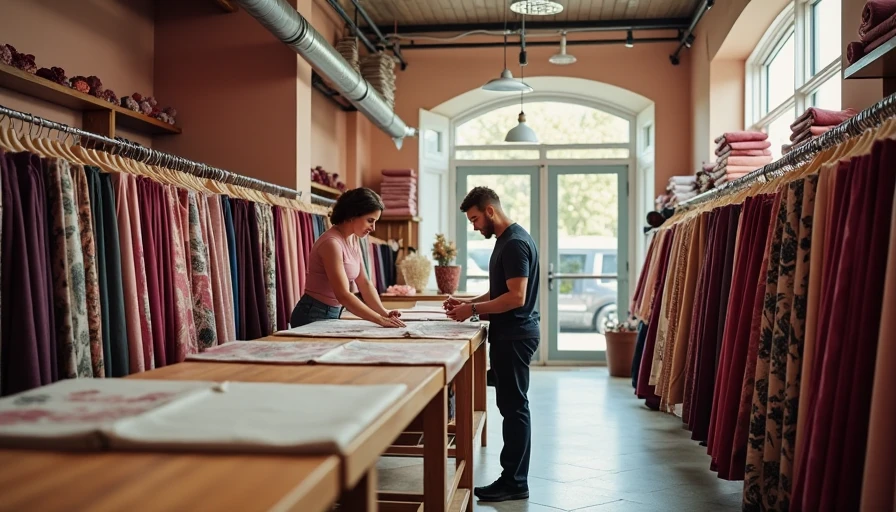
The store sits in the heart of the Garment District, packed floor to ceiling with bolts of silk, wool, cotton, and blends that often start as designer overstock or deadstock. The prices are far below what you would pay at a retail fabric chain, and the quality is noticeably better. On my first visit, I walked out with a length of ivory silk charmeuse for less than half the price of similar fabric online. The staff are knowledgeable and happy to unroll a bolt, and they will not rush you while you compare hand and drape.
The real draw for upcyclers is the remnant selection. Remnants are the end-of-bolt pieces that are too short to be sold as full yardage, so they get discounted even further. That means you can find 1-yard pieces of genuine wool coating, upholstery velvet, or stretch denim for just a few dollars. Perfect for patchwork, bags, and small projects. I have made lined zipper pouches, fabric baskets, and even a quilted vest entirely from remnants found at the shop.

How to Shop B and J Fabrics Like a Pro
No such thing as a stupid question here — but a few tactics will save you money and frustration. First, ask where the remnant sections are. In many fabric stores, remnants live in baskets or bins near the cutting table, but this shop often keeps them in labeled shelves. Second, bring a tape measure and a list of projects with rough yardage needs. You do not want to fall for a gorgeous piece and then realize you only have half the fabric you need.
Third, check the fabric content and care instructions before you commit. Some remnants are missing the original selvage label, so ask a staff member to help you identify the fiber. A quick burn test can also help, but only if you know what you are doing. I always keep a small notebook with swatches of my favorite finds, so I remember which fabrics were a joy to sew and which fought against my needle.
What to Grab and What to Skip
Here is what belongs in your cart: natural fibers like silk, linen, cotton, and wool. They press well, breathe, and take dye beautifully. Synthetic blends can be fine, but they can also be slippery, hard to sew, and prone to melting under an iron. Here is what does not: heavily soiled fabric, anything with strong odors, or pieces with tears and worn spots that will limit what you can make. Tiny flaws are fine if you can work around them, but moth holes and sun damage are another story.
At B and J Fabrics, pay attention to the width of the fabric. A 60-inch wide remnant gives you more usable area than a 45-inch piece, even if the yardage is the same. Also check the grain. If the fabric was folded or pulled, the grain can shift, and that makes cutting accurately much harder. I have learned this the hard way after cutting a skirt panel that was surprisingly crooked.
From Fabric to Finished Piece: A Simple Prep Routine
Do not skip the prep. Here is the step-by-step routine I use for every fabric find. First, pre-wash or steam the fabric in a way that matches its future care needs. For silk and wool, a hand wash or steam is safer than a machine cycle. Second, press the fabric flat with an iron and a pressing cloth. This gets rid of fold lines and helps you see the true grain. Third, square off the cut edges with a rotary cutter, mat, and a clear ruler to make a 90-degree corner. Fourth, test your thread and needle on a small scrap, especially if you are sewing stretch or slippery fabric. Finally, cut your pieces, marking everything clearly before you remove the pattern or template. This routine takes about twenty minutes, and it saves hours of frustration later. I have had projects where I skipped pre-washing and then watched a finished tote bag shrink in the wash. Now I never skip step one.
More Ways to Make B and J Fabrics Work for Your Budget
Fabric stores can feel pricey if you are used to thrift store garment prices, so set a spending plan before you go. The shop runs regular sales on specific categories, and the remnant prices are already a bargain. If you live far from New York, check online fabric marketplaces and remnant shops that feature similar deadstock, or plan a trip and allocate time to browse the whole store. I have also traded surplus fabric with fellow members in our community, which is a great way to try new materials without spending more.
Final Thoughts
Shopping at B and J Fabrics is a skill, and like any skill, you get better with practice. Start small, pick up a few remnants, and make something useful. You will learn what weights and fibers you enjoy sewing, and your stash will grow into a personal fabric library. Whether you are patching a thrifted jacket or stitching your first dress, the store gives you the material to make it your own.


No notes yet — write the first one.