An antique sewing chair with storage can turn a sewing corner into a useful little piece of history. Unlike a plain accent chair, it gives you a place to sit, sort notions, and hide unfinished projects. The catch is that old sewing furniture often looks better in listing photos than it feels after an hour at the machine. This guide will help you inspect one without needing collector-level knowledge.
No such thing as a stupid question here — let's walk through it. You do not need to identify every wood species or know the original manufacturer. You need to understand the chair's structure, storage space, upholstery, and likely repair cost. A pretty chair with a cracked frame is not a bargain if it needs a professional rebuild.
What makes an antique sewing chair useful
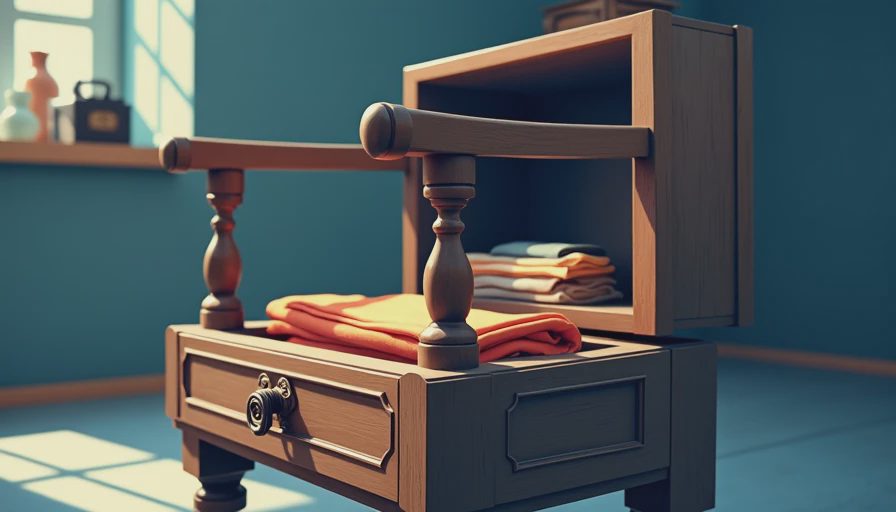
Traditional sewing chairs were designed for compact work areas, so many have a smaller footprint than modern office chairs. Some include a lift-up seat, a drawer beneath the seat, a hinged side compartment, or a box built into the base. These spaces are handy for bobbins, seam rippers, clips, chalk, and fabric scraps, but they are rarely large enough for a full project bin.
The best antique sewing chair with storage fits your actual routine. If you sew at a standard-height table, measure the seat before buying. A seat around 17 to 19 inches high often works with a normal table, but your machine, table, and body position matter more than an average. Sit upright and make sure your knees fit under the work surface. A chair that forces your shoulders upward will become uncomfortable quickly.
Look at the access point, too. A seat that lifts without scraping is more practical than a beautiful compartment that requires two hands and a fragile latch. Open every drawer and door at the shop or ask the seller for a video. Sticking hardware is fixable, but it should affect the price.
Inspect the frame before admiring the finish
Start with the chair's legs and joints. Place it on a flat floor and gently shift your weight from side to side. A little movement can come from loose screws, but a rocking frame may indicate separated joints or a warped rail. Turn the chair over if the seller allows it. Look for fresh glue, split wood, stripped screws, and replacement brackets.
On an antique sewing chair with storage, the storage compartment can weaken the seat because hinges and cutouts remove some structural support. Check the corners inside the compartment for hairline cracks. Press lightly around the seat, not hard enough to damage it, and listen for creaks. A creak does not automatically mean failure, but it tells you where to investigate.
Avoid using water, household polish, or aggressive sanding on an old finish during inspection. A dry microfiber cloth is enough to remove dust. If the wood has a strong musty smell, inspect for dampness, mold-like spotting, or swollen panels. Fabric odor can sometimes be treated, but moisture damage inside wood is a more serious project.
Check the upholstery and sitting comfort
A chair can have solid bones and still be unpleasant to use. Look closely at the seat fabric, especially around the front edge where clothing and hands create friction. Small stains are usually manageable. Torn fabric, crumbling foam, or exposed tack strips means you should budget for reupholstery.
For a simple seat refresh, a beginner can often remove the underside dust cover, photograph the layers, replace thin foam, and staple new fabric with an electric or manual staple gun. Choose a durable cotton canvas, linen blend, or upholstery fabric rather than lightweight quilting cotton. A local upholstery shop may charge roughly $75 to $250 for a small seat, depending on the frame and materials.
Sit in the chair for several minutes if possible. Test whether the seat tilts, whether the back supports you, and whether the storage lid presses into your legs. An antique sewing chair with storage should support your sewing posture, not just look charming beside a machine. If you cannot sit in it before purchase, ask for seat width, height, depth, and clear photos from every angle.

How to judge price and repair effort
Prices vary widely because condition, design, local demand, and provenance all matter. A plain secondhand chair with a usable compartment might sell for $40 to $100. A clean, distinctive piece with original hardware and a stable frame may be listed around $125 to $300. A documented designer or highly unusual example can cost more, but a high price does not automatically mean high quality.
When comparing an antique sewing chair with storage, separate cosmetic work from structural work. New fabric, replacement felt, brass-look hardware, and a light cleaning are manageable expenses. Broken legs, missing carved pieces, severe woodworm damage, or a detached frame can require specialist skills. Ask yourself whether you want a weekend project or a ready-to-use chair before negotiating.
A useful offer includes the repair plan. If the chair costs $80 and needs $120 in fabric and foam, you are at $200 before your time. That may still be a great deal if the shape is right, but it is not an impulse thrift find anymore. Use visible damage, missing keys, and difficult shipping as reasonable negotiation points rather than pretending the piece has no value.
Cleaning and setting up your find
Bring a newly purchased chair into a dry, ventilated area before placing fabric or thread inside. Vacuum loose dust with a brush attachment and wipe hard surfaces with a barely damp cloth only when the finish tolerates it. Do not soak old wood. For a musty textile seat, sunlight and airflow can help, but avoid leaving delicate fabric in harsh direct sun for hours.
Tighten accessible screws gently and use a screwdriver that fits the head. Do not force a stuck hinge or spray oil into every opening; excess lubricant can stain fabric and attract dust. For storage, add acid-free tissue or a washable cotton liner so small notions do not collect in unfinished wood. Keep pins in a closed tin instead of loose inside the compartment.
Place the chair on a level surface near your machine, then check that your elbows stay relaxed while sewing. If the height is slightly wrong, use a firm, thin cushion rather than stacking soft pillows. Your first test project should be short, such as hemming a thrifted skirt, so you can notice comfort problems before committing to a long quilt seam.
Smart places to find one
Estate sales, antique malls, local auction listings, Facebook Marketplace, and thrift stores are all worth checking. Search with related terms such as sewing stool, workroom chair, needlework chair, or vintage storage seat because sellers may not use the same wording. Photos showing the underside and interior are more valuable than a close-up of polished wood.
For shipped furniture, ask about packed dimensions, total weight, and whether the seller has protected hinges and protruding legs. Shipping a small chair can still cost $50 to $150, and damage claims are harder when the item was poorly packed. Local pickup lets you inspect the frame and avoid paying to transport a repair problem.
A thoughtful antique sewing chair with storage should earn its space every day. Choose the one that is stable, comfortable, sized for your table, and honest about its flaws. A scratched finish can become part of its character; an unsafe frame should become a pass. With a little patience, you can find a useful sewing companion instead of another pretty object waiting for a repair you never wanted.


No notes yet — write the first one.