If you searched for sewing machine repair louisville ky, you probably have a machine that suddenly refuses to cooperate. Maybe the needle is skipping, the bobbin thread is nesting underneath, or your vintage find is making a concerning clunk. No such thing as a stupid question here — let's walk through it. A good repair appointment can often save a dependable machine from the landfill and get your mending, tailoring, and upcycling projects moving again.
Before calling a shop, write down the machine brand, model number, symptoms, and anything you already tried. Take a clear photo of the front, needle area, bobbin case, and identification plate. That small preparation helps a technician estimate the job and tells you whether they regularly handle your type of machine.
What a sewing machine repair shop should handle
A proper service appointment is more than a quick blast of compressed air. A technician should inspect the machine, remove lint and old oil where appropriate, check timing, examine feed dogs, test the motor, and confirm that the bobbin mechanism is working correctly. Mechanical machines often need cleaning and lubrication, while computerized models may require diagnostic testing and specialized parts.
Ask whether the shop services your specific brand. Singer, Brother, Janome, Juki, Bernina, Pfaff, and Kenmore machines can have very different parts and service requirements. A shop that mainly works on modern domestic machines may not be the right fit for a 1950s straight-stitch machine, and a vintage specialist may not stock parts for a newer computerized unit.
A basic tune-up commonly falls somewhere around $80 to $180, before replacement parts or complicated labor. A broken belt, worn foot controller, damaged needle bar, or timing issue can increase the total. Request a written estimate before authorizing work above your comfort level. The cheapest quote is not automatically the best value if it excludes testing or offers no clear explanation of the repair.
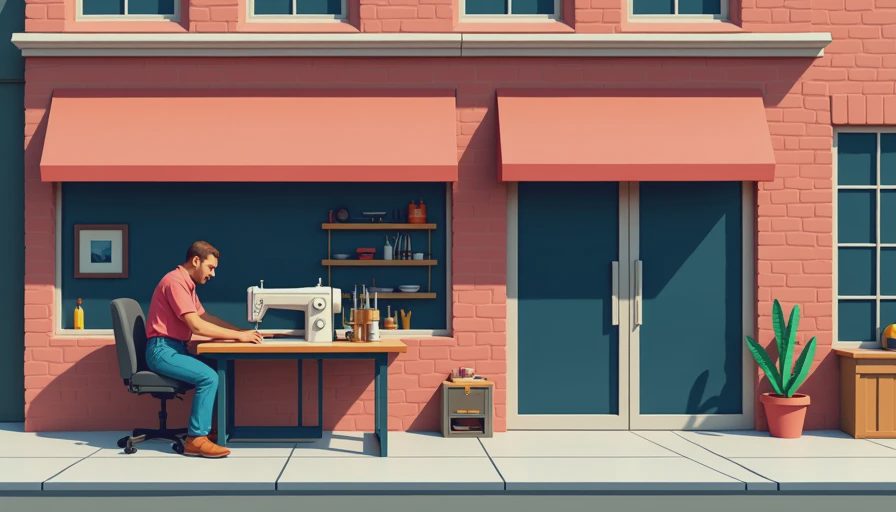
Simple checks before booking service
Here's what went wrong + how I fixed it on a stubborn machine: the thread was looping underneath because the upper thread had slipped out of the tension disks. The solution was not a new bobbin case. I lifted the presser foot, completely removed the upper thread, and rethreaded the machine from the spool to the needle with the presser foot raised. That allowed the thread to settle into the tension path.
Try a few safe checks before taking your machine in. Replace a bent or dull needle, matching the needle type to your fabric. Rethread the upper path with the presser foot raised. Remove the bobbin and reinstall it according to the arrow or diagram on the machine. Brush away lint with a small cleaning brush, but do not force thread out of a jam with scissors near delicate parts.
Use a scrap of cotton to test the result. If the stitches look even on both sides, the issue may have been threading rather than a major failure. If the needle hits the plate, the hand wheel will not turn, the motor smells hot, or the machine makes grinding sounds, stop testing and seek professional help. Continuing to sew can turn a small alignment problem into a costly repair.
Choosing sewing machine repair louisville ky services
When comparing sewing machine repair louisville ky options, look for practical details rather than polished advertising alone. Does the shop provide an intake inspection? Are estimates free, or is there a diagnostic fee? How long do routine cleanings usually take? Will the technician call before installing a $40 part or beginning several hours of labor?
A local independent repair shop may offer personal advice and experience with older machines. A dealer service department may have better access to brand-specific parts and factory procedures. Neither option is automatically superior. The right choice depends on your model, the problem, and whether you need a quick tune-up or a deeper restoration.
Bring the foot pedal, power cord, bobbin case, and any unusual presser feet connected to the problem. If the machine works intermittently, record a short video showing the noise or stitch defect. That evidence is especially useful when the machine behaves perfectly on the counter but fails after ten minutes of sewing at home.
Repair or replace your machine?
Repair usually makes sense when the machine has a solid metal frame, reliable parts availability, and features you already understand. A $120 cleaning can be worthwhile for a vintage Singer that has served you through years of denim repairs and thrifted clothing alterations. It can also be sensible for a newer Janome or Brother model that only needs a belt, needle plate, or routine adjustment.
Replacement becomes more attractive when the estimate approaches the cost of a comparable new machine, the motor and internal gears are badly damaged, or multiple electronic components have failed. Be cautious about replacing a familiar machine with a very cheap model simply because it costs less upfront. Entry-level machines under $150 can be useful, but some have limited presser-foot compatibility, lighter construction, or fewer adjustment options.
Write down the features you actually use before shopping. Adjustable stitch length, a free arm, a one-step buttonhole, a strong motor, and easy bobbin access may matter more than dozens of decorative stitches. If you mostly hem jeans and alter thrifted cotton garments, dependable straight stitching is more valuable than a long menu of patterns.
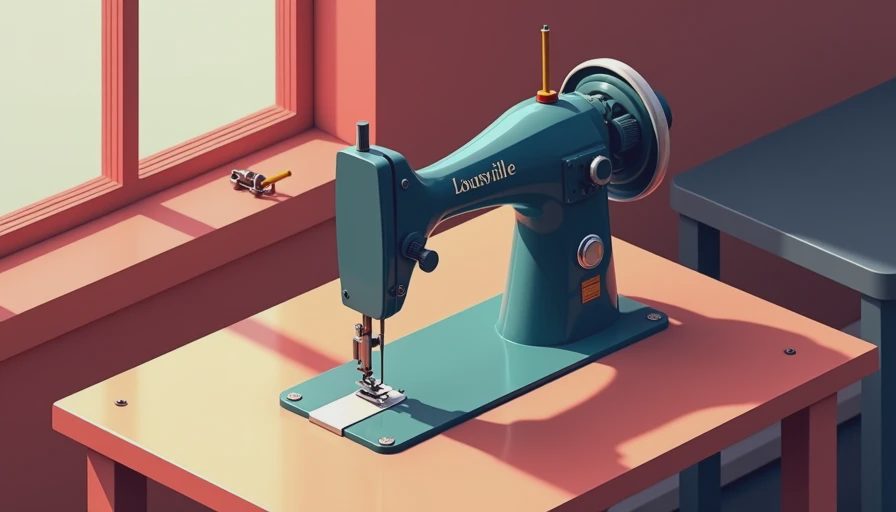
Questions to ask when you call
A short call can reveal whether a business is prepared to help. Say the brand and model first, then describe the symptom in plain language: “The needle moves, but the fabric is not feeding,” or “The motor runs, but the hand wheel is tight.” Ask whether the shop has worked on that model, what the standard service includes, and whether parts are quoted separately.
Also ask about turnaround time, warranty coverage on completed work, and pickup requirements. Some shops need the machine for several days because they schedule repairs in batches. Others offer faster service for routine cleaning but take longer when a part must be ordered. If you have a sewing deadline for a costume, quilt binding, or clothing swap, ask for a realistic completion window instead of assuming a same-day fix.
A useful shop will not shame you for lint, incorrect threading, or a machine that has been stored in a closet for years. Beginners and experienced sewists both miss simple causes when a project is frustrating. Clear explanations are part of good service.
Get ready for your next project
Finding sewing machine repair louisville ky help is only one part of keeping your sewing setup dependable. Store the machine with a cover, remove lint after heavy projects, use the correct needle for denim, knits, or lightweight fabric, and avoid forcing thick seams beneath a standard presser foot. Keep extra needles, bobbins made for your machine, a seam ripper, and a small brush nearby.
If you are booking sewing machine repair louisville ky this week, gather the model information and accessories before calling. Explain the symptom, request an estimate, and ask what testing is included. A little preparation can prevent a wasted trip and make the repair conversation much less intimidating.
Once the machine comes home, test it on scraps before returning to your favorite vintage jacket. Sew a straight seam, try a zigzag, check the bobbin side, and listen for unusual sounds. When everything looks right, you can get back to the fun part: rescuing secondhand clothes, fixing useful garments, and making something nobody else owns.


No notes yet — write the first one.