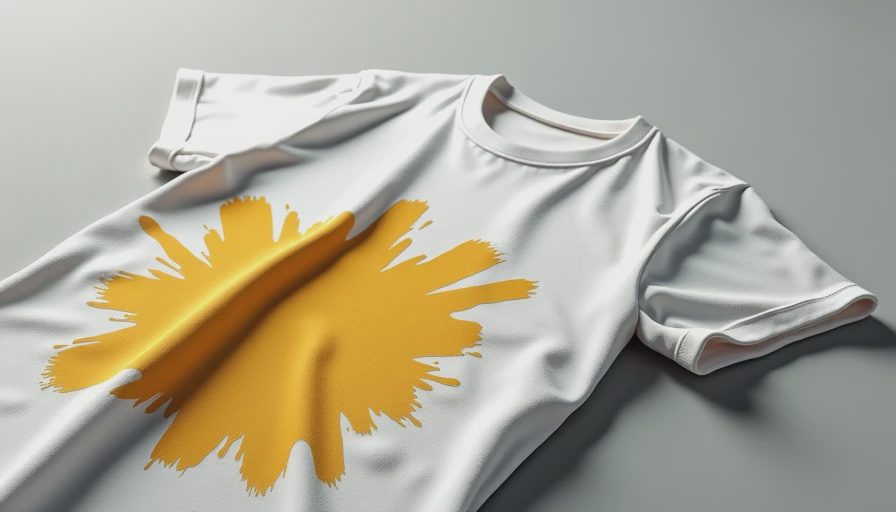
No such thing as a stupid question here: does acrylic paint wash off of clothes? Sometimes it does, especially when the paint is still wet. Once acrylic dries, it forms a plastic-like film that grips fabric fibers, so removal becomes more difficult. The good news is that a paint-splattered thrift find is not automatically ruined. Your best results come from moving quickly, using the right water temperature, and avoiding heat until the stain is gone.
What Makes Acrylic Paint Difficult to Remove?
Acrylic craft paint is water-based while wet, which is why a fresh drip can often be rinsed away. As it dries, the water evaporates and the acrylic binder hardens. Washing alone might fade the mark, but it often does not lift a set stain completely. Heat from a dryer, iron, or hot wash can make that bond tougher.
Fabric type matters, too. Smooth cotton canvas and denim usually tolerate more rubbing than silk, rayon, wool, or a delicate vintage blend. A white cotton shirt gives you more cleaning options than a hand-dyed sweater. Before reaching for a strong solvent, read the care label and test the product on an inside hem or seam allowance. This small test can reveal color bleeding, fading, or texture damage before it becomes a larger problem.
If the paint is wet, do not rub it outward. Blot or lift it from the surface with a spoon, dull butter knife, or clean paper towel. Rubbing can push the pigment deeper and enlarge the affected area.

How to Remove Wet Acrylic Paint From Clothes
When people ask does acrylic paint wash off of clothes, wet paint is the easiest situation. Start by placing the stained section face down under cool or lukewarm running water. Rinsing from the back of the fabric helps push paint away instead of driving it farther into the weave.
Next, apply a small amount of liquid laundry detergent or plain dish soap to the stain. Work it in gently with your fingers or a soft toothbrush. Use short strokes and rinse often so you can see whether the color is lifting. For a fresh craft-paint mark, this may take several rounds rather than one dramatic scrub.
If the paint remains, soak the garment in cool water for about 15 to 30 minutes, then repeat the detergent treatment. Wash according to the care label, but inspect the area before placing the item in a dryer. Air-drying is safer while you are still checking the result. If a faint shadow remains, repeat the process before using heat.
For thick wet blobs, scrape away the excess first. A stack of paper towels underneath the fabric can catch loosened paint and prevent transfer to another section. Replace the towel when it becomes colorful.
What to Do When the Paint Has Dried
Does acrylic paint wash off of clothes after it dries? It can, but expect more patience and a less predictable result. Begin by gently scraping the raised surface with the edge of a plastic card or dull knife. Do not use a sharp blade, which can cut threads or leave a shiny scrape on synthetic fabric.
Place a towel behind the stain, then dab a small amount of rubbing alcohol onto the paint using a cotton swab or white cloth. Work from the outside toward the center so the mark does not spread. Pause frequently to check the fabric and move to a clean part of the towel. Alcohol can affect dyes, finishes, and some synthetic materials, so the hidden-area test is not optional.
Once the paint softens, lift residue with a clean cloth and apply laundry detergent. Rinse thoroughly, then wash on the warmest setting permitted by the care label. Avoid acetone-based nail-polish remover unless you have confirmed the garment can tolerate it; acetone can damage acetate and other fibers. If the item is valuable vintage clothing, professional cleaning is often safer than aggressive home treatment.
Here is what went wrong in one common failed attempt: scrubbing a dry painted spot with a stiff brush spread the pigment into a pale halo. The fix was to stop brushing, soften the center with carefully tested alcohol, and blot from the edges inward.
Match the Method to the Fabric
Cotton and linen generally handle detergent, cool rinsing, and moderate spot treatment well, although dark dyes can fade. Denim often responds to scraping followed by detergent, but rubbing may create a lighter patch that looks like intentional distressing. Check the surrounding color before continuing.
Polyester and nylon may resist water-based paint, yet their finishes can react to solvents. Use small amounts and short contact times. Rayon, silk, wool, and delicate vintage fabrics deserve gentler treatment. Do not soak a structured garment if its lining, interfacing, or trim could shrink or bleed.
For a painted thrifted jacket, consider whether the mark is part of the garment's design. Removing paint from a hand-decorated piece can leave a blank patch or uneven color. Sometimes the best upcycling solution is to cover the flaw with an embroidered patch, visible mending, fabric appliqué, or a new painted motif.
Products That Help and Products to Avoid
Useful supplies include liquid laundry detergent, mild dish soap, white cotton rags, cotton swabs, a soft toothbrush, rubbing alcohol, a plastic card, and an old towel. White materials make it easier to see transferred pigment and avoid adding new dye to the garment.
Avoid chlorine bleach as a first response. It can weaken fibers, create yellowing, and remove the garment's original color without removing every bit of acrylic. Heavy scrubbing is also a poor shortcut because it can fuzz knitwear, flatten nap, and spread the stain. Do not mix cleaning products. Use one treatment, rinse completely, and reassess before trying another.
If you are wondering does acrylic paint wash off of clothes after trying detergent, do not assume the remaining mark is permanent immediately. Acrylic can loosen gradually, especially when the paint was thin or the fabric was not exposed to heat. Two careful treatments are better than one harsh treatment.
How to Prevent Paint Stains During Upcycling
Wear a washable apron or oversized cotton shirt when painting, and cover your worktable with a plastic sheet topped by cardboard. Keep a cup of clean water and a damp rag beside your project so spills do not sit unnoticed. When painting clothing, use fabric paint or an acrylic medium designed for textiles rather than ordinary craft paint. Follow the product directions for drying and heat-setting.
Before painting a thrifted garment, wash it without fabric softener. Softener can leave a coating that affects adhesion. Place cardboard inside shirts, jackets, and tote bags to stop paint from soaking through. Mark a test scrap first, especially when combining dark fabric with light paint.
Finally, accept that some stains become part of the story. A rescued pair of jeans with a small paint mark can become a custom workwear piece, while an expensive silk blouse may deserve professional care. Whether you remove the paint or redesign around it, the goal is to keep good clothing in use. If you still ask does acrylic paint wash off of clothes, the practical answer is: wet paint often comes out, dried paint sometimes can, and heat makes every case harder.




No notes yet — write the first one.