vintage sewing pattern simplicity 2939: how to read it, fit it, and sew it
If you just thrifted vintage sewing pattern simplicity 2939, you probably have the same question most of us do on the first pass: is this actually wearable, or is it going to turn into a weekend-long puzzle? No such thing as a stupid question here — let's walk through it. The good news is that old patterns can be very manageable once you stop treating the envelope like a mystery box and start reading the clues in order. You do not need a perfect sewing room or a fancy machine to get a solid result. You need a ruler, a measuring tape, some tracing paper, and the willingness to test fit before you cut your good fabric.
What the envelope and tissue pieces are telling you
The first job is simple: read the outside of the packet and then check the tissue. If the envelope is worn, faded, or missing a flap, the pieces inside matter more than the pretty cover art. Look for the size range, the finished garment measurements if they are printed, and any cutting layout notes. On older patterns, the tissue can be delicate, so unfold it slowly and weigh it down with mugs or pattern weights instead of yanking on the paper. If the print is faint, use a bright lamp and a pencil to trace the lines you need onto fresh paper. That one habit saves a lot of tears later.
Vintage patterns also reward a quick comparison with a garment you already own. Hold the tissue up to a favorite dress, skirt, or top in a similar silhouette. You are not trying to copy every curve; you are checking proportions. If the shoulders look narrow, the waist looks short, or the hip sweep looks wider than you expected, you will know before scissors touch fabric. That kind of check is especially useful with vintage sewing pattern simplicity 2939, because a small paper adjustment is easier than fixing a bad cut after the fact.
How to choose fabric that works with the original shape
Fabric choice can make or break the final result. A vintage pattern was usually drafted with a certain drape in mind, even if the envelope language is minimal. If the design wants structure, think cotton twill, medium-weight linen, denim chambray, or a stable quilting cotton for a test version. If it wants flow, rayon challis, viscose, lightweight cotton lawn, or a soft crepe will usually behave better than a stiff fabric with no movement. The biggest beginner mistake is pairing a pattern with fabric that fights the shape. That is how a clean A-line ends up looking boxy, or a fitted bodice starts pulling at the bust.
Before cutting, wash and press your fabric the way you plan to care for the finished piece. Then do one more thing most people skip: lay the tissue on top and check the grainline arrows against the fabric fold. If the pieces do not fit comfortably within the width you bought, stop and rethink the layout. A thrifted tablecloth, curtain panel, or bedding remnant can work beautifully here, as long as the fabric is clean, stable, and large enough. That is where vintage sewing pattern simplicity 2939 becomes less intimidating and more like a smart upcycle project.
Fit checks that save time before you cut the real fabric
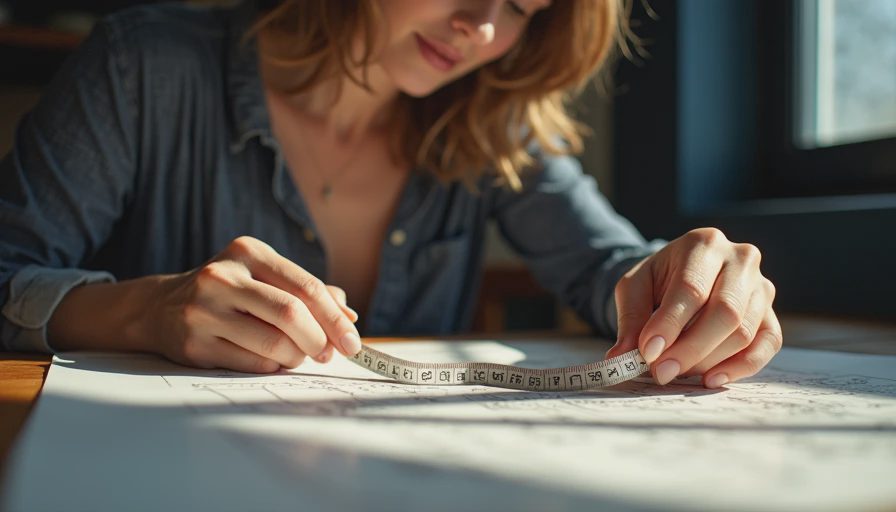
The fastest way to avoid a disappointment is to make a muslin, even if it is a rough one. You do not need expensive test fabric; an old sheet, a worn duvet cover, or clearance muslin from Joann is enough. Cut only the pieces that matter most first, usually the bodice or main body. Pin them together, try them on inside out, and look for pulling, gaping, or extra length. A shoulder seam that sits too far in or out can change the whole feel of the garment, so correct that before you decide the pattern is the problem.
If you need to make common adjustments, keep them small and specific. A narrow shoulder can often be fixed with a sliver at the seam line. A long waist can usually be shortened by folding out paper at the lengthen/shorten line or by trimming the tissue after your muslin notes are confirmed. A bust adjustment takes more care, but even beginners can manage a simple pivot if they trace the pattern first and work slowly. The point is not to create a couture draft. The point is to make the shape fit your body well enough that the final fabric has a chance to shine.
Sewing order and the mistakes that usually show up first
Once your mockup looks decent, press the paper pieces flat again and cut the real fabric with generous time and focus. Use sharp shears or a rotary cutter, and mark notches with tiny clips or chalk instead of giant snips that weaken the edge. Sew the easiest seams first and press after every major step. Vintage patterns often assume a lot of pressing, and skipping that step is one of the quickest ways to lose the original shape. A hot iron, a press cloth, and a wooden clapper can do more for the final result than another package of notions.
Here are the common surprises. Necklines can stretch if they are not stabilized. Curves can ripple if the stitch length is too long. Hems can twist if the fabric was not allowed to hang before finishing. If you hit one of those snags, do not panic and rip everything out at once. Baste first, check the drape, then commit. That patient approach is exactly why vintage sewing pattern simplicity 2939 can be a good beginner project when you work in stages instead of rushing to the finish line.
Turning a vintage pattern into a thrifted or refashioned piece
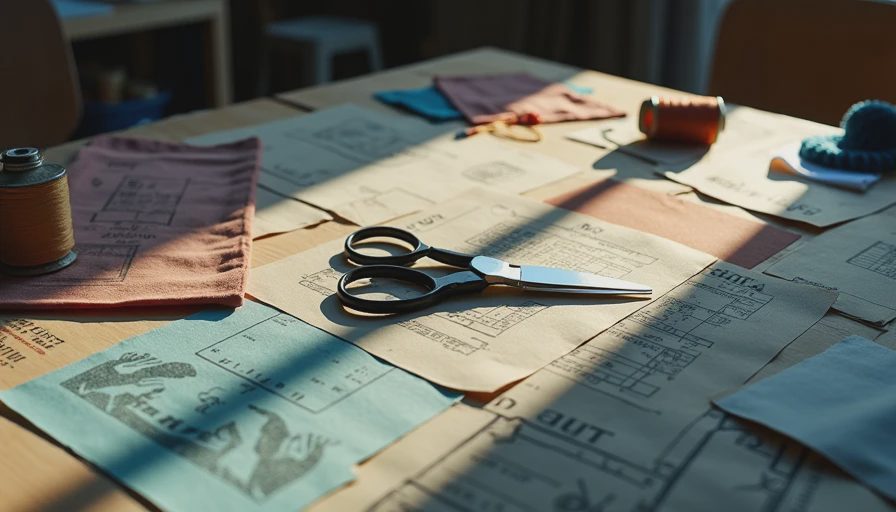
This is where the fun starts. If your fabric came from a thrift store find, an estate sale, or your own closet purge, you already have an extra layer of story built in. Match the fabric scale to the design. A busy floral can overwhelm small details, while a solid or tiny print lets seams and shape do more of the talking. If the pattern has enough yardage room, try adding contrast cuffs, a facing from a different fabric, or a lining from a sheet with a neat hand. Those small choices make the finished piece feel intentional instead of homemade in the old, tired sense of the word.
You can also use the pattern as a base for a refashion. A longer hem can become a top. A too-long sleeve can become a cap sleeve. A dated trim line can be removed and replaced with clean topstitching. When vintage sewing pattern simplicity 2939 is treated as a starting point instead of a strict rulebook, it becomes much easier to make something that fits your wardrobe now.
Where to look if the pattern copy is incomplete or worn out
Sometimes the envelope is missing half the information, and that is normal with vintage finds. Start by checking whether the tissue includes all the major pieces and whether the instruction sheet survived. If something is missing, compare your copy with the silhouette and piece count on similar era patterns from Simplicity catalogs, collector groups, or pattern archive sites. You are not hunting for an exact clone of the original packet every time. You are trying to confirm construction order, facing placement, and whether any pieces need to be redrawn from the remaining parts.
If you still feel stuck, post clear photos in a sewing community and ask for a second set of eyes. A front, back, and piece layout shot usually gets helpful answers fast. Keep your question specific: ask about fit, missing notches, or whether the layout suggests a particular fabric width. That saves everyone time and gets you better feedback.
With vintage sewing pattern simplicity 2939, the win is not sewing perfectly on the first try. The win is learning how to read the pattern, test the fit, and turn a thrifted find into something you will actually wear.




No notes yet — write the first one.