If you just found vintage sewing pattern simplicity 3391 in a thrift bin, an estate-sale box, or a late-night Etsy search, slow down and look twice. A good vintage pattern can save you from endless drafting and get you closer to a shape that already worked. For most buyers, the first question is not whether the pattern is cute. It is whether the envelope is complete, the tissue is usable, and the size range fits the body you want to sew for. On resale sites, a rough copy may land around $8 to $15, while a cleaner complete set can reach $20 to $35.
What to inspect before you buy
When you shop online, the photos should do most of the work. Look for the front and back of the envelope, a clear shot of the instructions, and enough of the pattern pieces to confirm the numbers are there. If a seller says the pattern is uncut, ask whether the tissue was only folded back into place or whether it was actually never removed. That small detail matters because a pattern can be complete and still be frustrating if one corner is torn or the paper is brittle.
Smell and storage matter too. Basements, smoke, and damp boxes can leave a pattern unpleasant to handle even when the line art is perfect. I also like to check whether the envelope lists yardage, fabric suggestions, and notions. Those details tell you whether the project fits what you already own and how much extra shopping you will need.
Why vintage sewing pattern simplicity 3391 deserves a sizing check first
Vintage sizing can trip up even confident sewists, and that is not a beginner mistake. It is just a different system. The number on the envelope is not the same as a modern ready-to-wear size, so start with body measurements and finished garment measurements instead of guessing. If you fall between sizes, choose the larger one and blend at the waist, hip, or shoulder. That is usually easier than trying to add room later.
If vintage sewing pattern simplicity 3391 is the one you want, compare the envelope measurements to a favorite handmade garment that already fits well. That gives you a real-world reference, not a chart on a screen. Fabric choice matters just as much. A drapey rayon challis will hang differently from a crisp cotton poplin, and that changes the silhouette. For a first try, I like a stable woven with some structure because it shows the shape clearly and makes fitting easier.
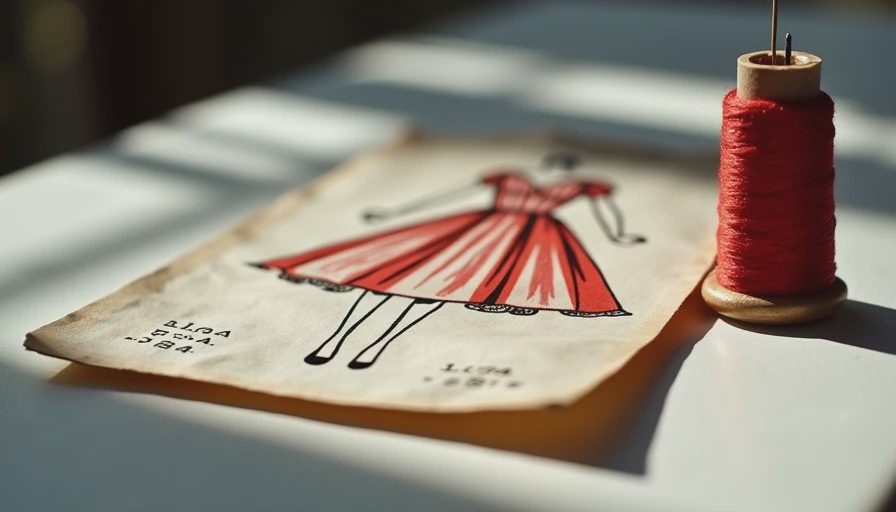
A beginner-friendly sewing plan that avoids the usual paper-pattern mistakes
My favorite way to start is to trace the tissue instead of cutting the original. Swedish tracing paper, lightweight pattern paper, or even inexpensive exam paper can give you a working copy you are not afraid to mark up. Pattern weights help keep the pieces flat, and a low-heat iron with a press cloth can smooth old folds without cooking the paper. If the tissue is fragile, tape the tear from the back before you trace so the rip does not grow while you work.
Here is what went wrong for me on an older pattern and how I fixed it: I cut straight into the tissue, then realized a notched edge had split off and the grainline was harder to read than I expected. The fix was simple. I reassembled the piece with archival tape, traced a fresh copy, and marked every notch with a pencil before cutting fabric. That extra ten minutes saved a lot of guesswork later. Before you sew the final version, baste the main seams or make a quick muslin in cheap muslin or thrifted bedsheet fabric. You will see right away whether the shoulders, neckline, or waist need a tweak.
Where to shop and what a fair price looks like
Etsy and eBay are the easiest places to hunt, but local estate sales, church rummage sales, and sewing swap groups can be even better if you like digging. In those spaces, prices are usually more forgiving because the seller is clearing out a stash instead of pricing for collector traffic. A loose but usable pattern may sell for under $10. A complete, clean copy with instructions can sit closer to $15 to $25. If the pattern is rare, uncut, and very tidy, a higher tag is not shocking.
A fair price depends on what you actually need. If you want the look and not the collector value, a scanned copy from a reputable source or a reproduction might be enough. If you care about the original envelope art and old-school pattern notes, pay for condition. Either way, compare a few listings before you click buy. One overpriced, water-stained copy can make the whole market look silly, but the next tab may show a much better deal.
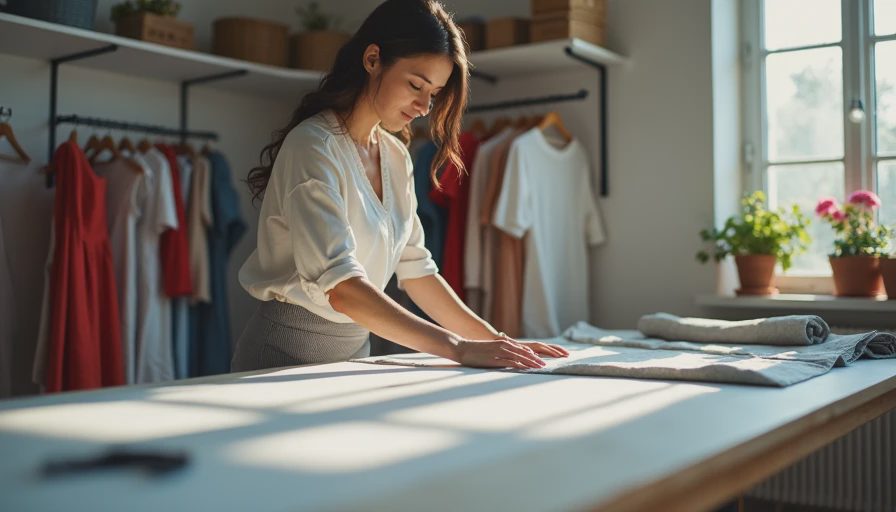
Fabric choices and finish details that make the final garment wearable
The fabric you choose will do a lot of the styling work for you. If the design wants structure, think cotton poplin, chambray, lightweight denim, or a linen blend. If it needs movement, rayon challis, viscose crepe, or a soft lawn can give it a nicer drape. For facings or collar pieces, a light fusible such as Pellon SF101 or another woven interfacing is usually enough, but you do not want to over-stiffen the whole garment. A little support goes a long way.
This is also the stage where you decide how polished you want the inside to look. A simple zigzag, a serger finish, or French seams can all work; the right one depends on the fabric weight and how much time you want to spend. If you are new to sewing vintage shapes, keep the first version simple. Clean seams, a careful hem, and a well-pressed neckline will usually look better than complicated extras. Once you have one successful make, you can play with trim, buttons, or contrast stitching.
If vintage sewing pattern simplicity 3391 has been sitting on your want list, this is your nudge to start. Trace the size you actually need, choose a fabric that matches the drape, and sew one wearable test before you treat it like a collector piece. No such thing as a stupid question here, and this is exactly the kind of project that rewards patience.




No notes yet — write the first one.