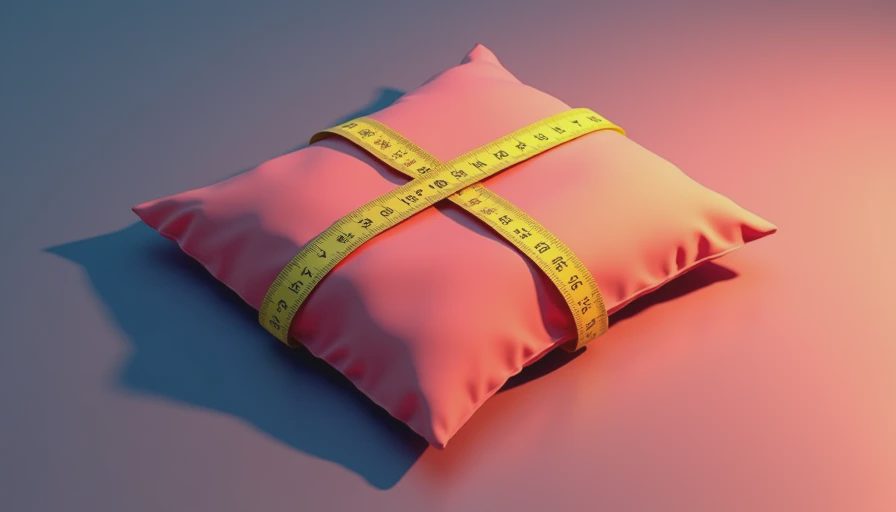
If you've ever picked up a beautiful thrifted sheet or a piece of vintage fabric and thought, "I could sew this into a pillowcase," you're not alone. But before you cut into that fabric, you need to know exactly what is a standard size pillowcase measurements. Getting the dimensions right is the difference between a crisp, snug pillowcase and one that's too loose or too tight. No such thing as a stupid question here — let's walk through it step by step, so your next sewing project turns out perfectly.
Why Knowing Standard Pillowcase Measurements Matters
Whether you're making a pillowcase for yourself, as a gift, or to sell, using the right measurements ensures a professional finish. Standard sizes are designed to fit common pillows without bunching or gaping. If you're upcycling fabric from old shirts, dresses, or thrifted bed linens, you want to maximize your material while still hitting those target numbers. Plus, once you know what is a standard size pillowcase measurements, you can easily adjust patterns for different pillow types — from travel sizes to body pillows.
Standard Pillowcase Sizes: The Numbers You Need
Pillowcase sizes are based on the pillow dimensions plus a few inches for seam allowances and ease. Here are the three most common standard pillow measurements:
- **Standard**: 20 inches wide by 26 inches long (fits a standard pillow, typically 20" x 26")
- **Queen**: 20 inches wide by 30 inches long (fits a queen pillow, 20" x 30")
- **King**: 20 inches wide by 36 inches long (fits a king pillow, 20" x 36")
For a snug fit, your pillowcase should be about 0.5 to 1 inch shorter than the actual pillow length (to account for the pillow's compressibility) and the same width. However, many commercial patterns add a 2-3 inch flap inside for a touch of luxury. When you're cutting fabric for a standard pillow, a good rule of thumb is to cut a piece 21 inches by 28 inches — that gives you a 0.5-inch seam allowance on each side and a 2-inch hem or flap.

How to Measure a Pillowcase for Upcycling Projects
When you're working with salvaged fabric, you don't always have the luxury of buying new yardage. Here's how to measure a pillowcase pattern from your existing fabric stash:
- **Lay the fabric flat** on a cutting mat or large table. Smooth out wrinkles.
- **Measure the width** of your pillow (across the short side). Add 1 inch for seam allowances (0.5 inch each side). For a standard pillow, that's 21 inches.
- **Measure the length** of your pillow. Add 1 inch for seam allowances plus an extra 3 inches for the hem/flap. For a standard pillow, that's 26 + 1 + 3 = 30 inches.
- **Cut your rectangle** to those dimensions. If you're making a French seam pillowcase (which gives a neat finish), add another 0.5 inch to both width and length for the second seam allowance.
Always prewash your fabric, especially thrifted material, to prevent shrinkage after you sew. Nothing ruins a perfectly measured pillowcase like a hot wash later.
Choosing Fabric: What Works Best for Sewing Pillowcases
The best fabrics for pillowcases are soft, breathable, and durable. Cotton is the classic choice — especially percale (crisp, cool) and sateen (silky smooth). But thrifted sheets are my go-to: they're prewashed, often in great condition, and you can get a queen or king flat sheet for a few dollars that yields several pillowcases. Look for 100% cotton with a thread count of 200-400 for the best feel. Avoid heavy upholstery fabrics or knits that stretch out of shape.
For a fun twist, mix and match fabrics from different thrift finds — use a solid for the main body and a contrasting pattern for the hem flap. That's a signature upcycler move that adds personality without extra cost.

Sewing Your Own Pillowcase: Simple Steps
Once you have your measurements and fabric, here's a straightforward method for a French seam pillowcase (no raw edges visible):
- **Cut your fabric** to the dimensions you calculated (e.g., 21" x 30" for standard).
- **Fold wrong sides together** lengthwise, aligning edges. Sew a 0.25-inch seam along the long edge and one short end (leave the other short end open for the hem). Trim the seam allowance.
- **Turn the pillowcase inside out** so right sides are together. Press the seam flat. Then sew a 0.5-inch seam along the same edges, enclosing the raw edges inside the new seam.
- **Finish the open end** by folding a 0.5-inch hem, then another 0.5-inch hem, and stitch. Or for a more decorative finish, add a contrasting band.
That's it — you've got a pillowcase that fits perfectly. The whole process takes under an hour once you've got the measurements down.
Common Mistakes and How to Avoid Them
Even experienced sewists mess up pillowcase measurements. Here's what goes wrong and how to fix it:
- **Pillowcase too tight**: You forgot to account for seam allowances. Next time, add at least 1 inch total to the width.
- **Pillowcase too loose**: The fabric stretched while sewing. Use a tape measure during cutting, not a ruler, and handle the fabric gently.
- **Pillow slips out**: The hem flap is too small. For a standard pillow, aim for a 3-inch flap (the part that folds inside).
- **Fabric shrinks after first wash**: Always prewash. Thrifted fabric may shrink more than new, so wash it twice to be safe.
Remember, no such thing as a stupid question here — if your pillowcase turns out wonky, unpick it and try again. That's how we all learn.
Now that you know exactly what is a standard size pillowcase measurements, you can confidently tackle any pillowcase project — whether it's from a thrifted tablecloth, a vintage sheet, or leftover fabric from another project. Happy sewing!


No notes yet — write the first one.