If you've ever picked up a thrifted blouse, slip dress, or wide-leg pair of pants and wondered **what is tencel fabric**, you are definitely not alone. It shows up on labels often, but a lot of beginners are not sure what it actually means, how it feels, or whether it is easy to wear and sew. No such thing as a stupid question here — let's walk through it. Tencel is known for being soft, drapey, and smooth, which is why it turns up in so many secondhand finds that look a little elevated without being fussy.
What Tencel fabric actually is
Tencel is a brand name used for fibers made from wood pulp, most commonly lyocell and sometimes modal. In plain language, that means it is a regenerated cellulose fiber: plant material gets processed into a soft textile fiber that can be woven or knitted into fabric. So when people ask **what is tencel fabric**, the short answer is that it is a man-made fiber made from natural raw material.
This is where beginners sometimes get tripped up. Tencel is not the same thing as polyester, and it does not usually feel plastic-like. It also is not exactly the same as plain rayon, even though they are related. Many Tencel fabrics feel cooler, smoother, and a bit more fluid than cotton. If you have handled a soft chambray shirt that falls nicely or a slinky dress that feels breathable, there is a good chance it was Tencel or a Tencel blend.
On care labels, you may see “Tencel lyocell,” just “lyocell,” or a blend like cotton/Tencel. Those details matter because blends can change how the fabric wrinkles, stretches, and wears over time.
How Tencel feels, wears, and looks in real life
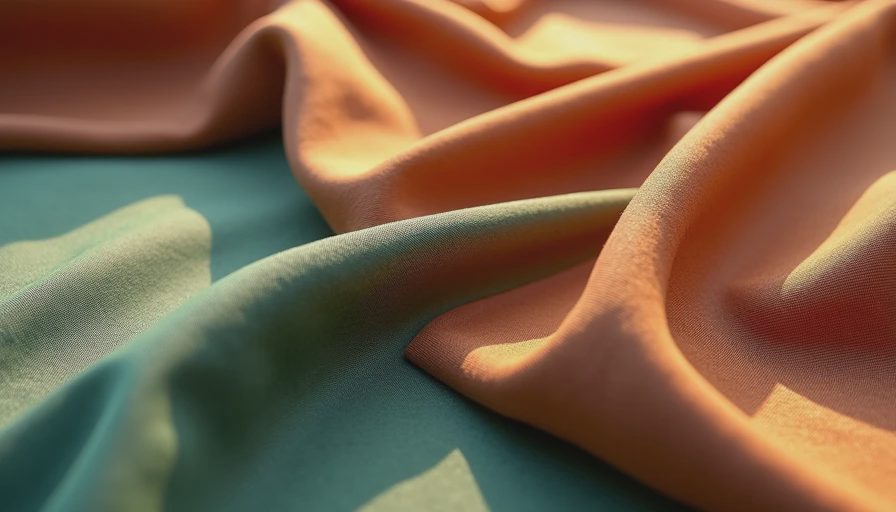
One reason Tencel gets so much love in secondhand fashion is the feel. It is usually very soft, smooth against the skin, and drapes beautifully. That drape is the big giveaway. A Tencel button-up often hangs in a more fluid way than a crisp cotton shirt, and Tencel pants usually move more like a relaxed trouser than stiff denim.
It is also commonly breathable and comfortable in warm weather, which makes it popular for jumpsuits, dresses, sleepwear, and lightweight tops. Some versions have a matte look, while others have a slight sheen that can make a thrifted piece look more expensive than it was.
Here's what belongs / what doesn't: Tencel is great if you want softness and movement. It is less great if you expect a structured fabric that holds a sharp shape all day. It can wrinkle, and some pieces may show water spots until washed. Here's what went wrong + how I fixed it: I once treated a Tencel dress like sturdy cotton, overstuffed it in a closet, and it came out creased everywhere. A gentle steam helped far more than aggressive ironing.
Tencel vs cotton, rayon, and silk
If you are still figuring out **what is tencel fabric**, comparison helps. Against cotton, Tencel usually feels softer and drapes more. Cotton is often easier to press and more structured, especially in shirting and denim. Tencel wins when you want flow and comfort.
Compared with rayon, Tencel is in the same general family but is often considered a little more durable and stable, depending on the weave. Vintage rayon can feel amazing, but it can also be fragile, especially in older garments. A newer Tencel piece may give you that same fluid feel with a bit less stress.
Compared with silk, Tencel can give a similar smoothness and elegant drape at a much lower price point, especially in resale. It does not have exactly the same luxe feel, but it can scratch a similar itch for everyday wear.
For thrifters, that means Tencel often lands in the sweet spot: softer than cotton, easier than silk, and less intimidating than delicate vintage rayon. If you like pieces that look polished but still feel easy, it is a fiber worth noticing.
How to thrift Tencel without getting burned
When you find Tencel secondhand, check a few things before buying. First, look for abrasion or fuzzy wear in high-friction spots like underarms, inner thighs, and side seams. Tencel can be durable, but some lightweight versions will show wear if they were rubbed hard or washed roughly.
Second, hold the garment up to the light. Very thin Tencel can sometimes show strain lines or small pulls. Those are not always dealbreakers, but they tell you to inspect more closely. Third, check for shrinkage or twisting, especially in woven shirts and dresses. If the side seams look like they are spiraling, the piece may have been dried too hot.
Smell matters too. Tencel often washes up well, but if a garment has heavy fragrance buildup or stubborn mildew, pass unless the piece is special enough to justify extra work. For resale app listings, ask for close-ups of the fabric surface and the care label. A label that says Tencel blended with linen, cotton, or elastane gives you a better clue about what the garment will feel like and how forgiving it will be.

Sewing, mending, and caring for Tencel
Tencel can be lovely to sew, but it can also get slippery. If your thrift flip plan includes altering a Tencel garment, start simple. Hemming wide-leg pants, taking in a loose tank, or replacing buttons is beginner-friendly. A full recut on a very drapey Tencel dress is possible, but it can slide around while cutting.
A few practical tips help a lot:
- Prewash before sewing if the fabric is washable.
- Use sharp pins or clips to avoid snags.
- Cut in a single layer if the fabric shifts.
- Try a microtex or sharp needle for clean stitching.
- Test your iron on a hidden area first and use low to medium heat.
For care, always read the label, but many Tencel garments do best with cold water, gentle detergent, and air drying or low heat. High heat is where problems start: shrinkage, shine marks, or texture changes. If the piece wrinkles, steaming is often safer than pressing hard with a hot iron.
Is Tencel worth buying?
Yes, for a lot of secondhand shoppers, Tencel is absolutely worth buying. If your style leans toward easy dresses, relaxed shirts, soft trousers, or elevated basics, it is one of those label words that is usually worth a closer look. When people ask **what is tencel fabric**, what they often really mean is: will I enjoy wearing this, and is it a pain to deal with? In most cases, it is comfortable, flattering, and manageable if you treat it a little more gently than heavy cotton.
The main tradeoff is structure. If you want a crisp, sturdy, rugged feel, Tencel may not be your favorite. But if you want softness, drape, and that thrift-find feeling of “why does this look so good on,” it delivers.
So next time you spot the label and wonder **what is tencel fabric**, think soft, breathable, fluid, and beginner-manageable. It is not magic, and it is not indestructible, but it can be a great find for wearing, mending, and upcycling with confidence.




No notes yet — write the first one.