Stop Guessing: The Real Math Behind Pricing Vintage Resale Without Underselling
The Verdict
Stop pricing by gut feeling and start pricing by data. The sweet spot for most vintage resale sits at 2 to 2.5 times your actual cost per piece, but only if you factor in platform fees, condition grading, and current demand. I’ve spent years moderating thrift-haul Discords and running Stitch & Swap Talk, and the sellers who actually turn a profit are the ones who treat pricing like a living spreadsheet, not a fixed tag.
What I'm Pricing / The Real Math
Let’s break down the numbers I actually use when a new bundle arrives. A standard branded 10-kilogram vintage bundle runs about €170. That usually nets around 25 pieces, which puts your true cost at roughly €6.80 per item. From there, I aim for a €14 to €20 resale target. That covers platform fees, shipping supplies, and the inevitable markdowns without eating into your time.
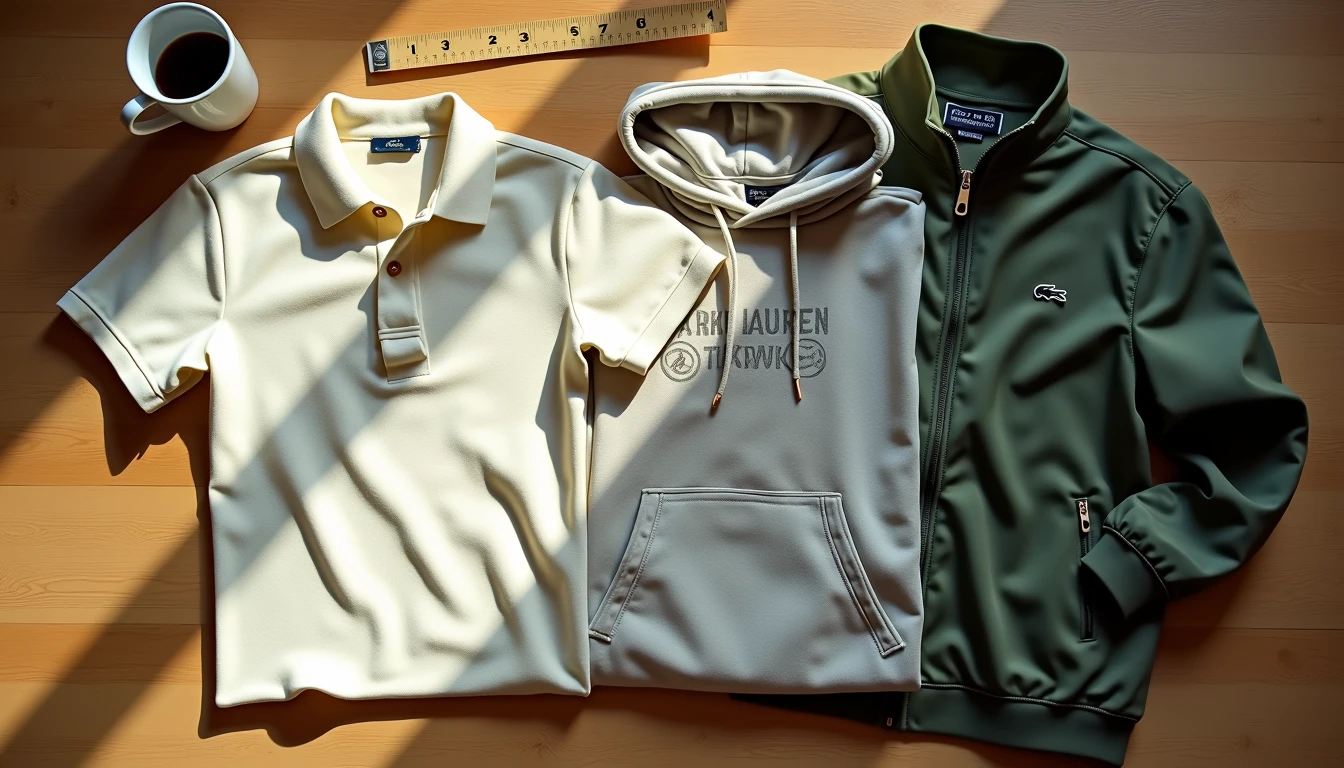
Brand recognition drives the baseline. A standard Nike, Adidas, Ralph Lauren, or Lacoste piece in clean condition typically lands between €20 and €35. If you’re holding a rare 1990s Nike hoodie with an embroidered logo, the market supports €50 to €70. Style trends shift quickly—Y2K cuts, old money tailoring, and vintage streetwear all command different premiums—but the brand and condition anchors stay the same. I always check what’s actually moving in North America versus what’s only popular on overseas retail platforms, since US sizing and regional demand heavily influence what buyers will pay.
How to Style It
Styling the sale matters just as much as styling the garment. On Vinted, buyers hunt for volume and clear deals, so I keep descriptions straightforward, list multiple pieces in batches, and price for quick turnover. Instagram lets you lean into visuals and branding; I shoot clean flat-lays, highlight fabric weight and drape, and charge slightly more for the curated presentation. TikTok is where standout pieces fly off the rack. I use live sales or short video descriptions to trigger that “love at first sight” impulse, which works beautifully for unique Y2K or embroidered streetwear finds. The key is matching your listing energy to the platform’s buying rhythm.
Sizing & Fit Notes
Condition and rarity dictate your pricing ceiling, but actual fit and fabric behavior determine whether a buyer clicks or scrolls. I grade every piece before listing: like new, lightly worn, or marked by small stains. A garment with a tiny flaw drops to the lower end of its range, while pristine examples hold firm. Fit also plays a huge role. US vintage sizing runs differently than East Asian conventions, and I always note whether a cut runs boxy, true to size, or runs small. Hoodies drape differently than lighter jackets, and I mention stiffness or natural wear in the description. Buyers trust sellers who flag the reality instead of hiding it behind perfect lighting.
Where It Goes Wrong
My first attempt at pricing vintage went completely sideways. I listed a bundle of Ralph Lauren and Lacoste pieces at a flat rate, ignored platform fees, and watched them sit for three months. I also tried pricing a stained Nike hoodie at full market value, assuming the brand name would carry it. It didn’t. I learned to drop prices incrementally—€25 becomes €22, then €20—and track what actually sells versus what gathers dust. I stopped guessing and started logging: which platform moved fastest, which cuts lingered, and which condition grades justified the premium. Tracking turned my messy first year into a predictable system.
Worth It?
Vintage resale rewards patience and consistency, not perfection. If you’re hunting for volume, Vinted’s deal-driven crowd will clear your rack fast. If you want higher margins per piece, Instagram’s visual-first buyers will pay for polished presentation. TikTok moves unique items quickly but demands consistent video energy. Skip the hustle if you want overnight sales; vintage pricing is a slow-burn strategy that compounds when you adjust, track, and let the market tell you what works. Start with clean stock, price at 2 to 2.5 times your cost, and let the data guide your next listing.