
If you're into thrifting and upcycling, you already know the thrill of finding a gem at the thrift store. But what about the fun of turning that oversized men's shirt into a chic blouse, or that maxi skirt into a trendy crop top? That's where free sewing designs come in. Free patterns are a game-changer for anyone on a budget, especially in the secondhand fashion community. In this guide, we'll walk you through where to find reliable free sewing designs, how to choose the right one for your skill level, and how to adapt them to your thrifted fabrics. No gatekeeping here — just real advice from someone who's sewn through plenty of trial and error.
Where to Find Free Sewing Designs Online
The internet is packed with free sewing designs, but not all are created equal. For beginners, look for sites that offer clear instructions and printable PDFs. Mood Fabrics has a free patterns section with detailed step-by-step guides — perfect for projects like a simple tote bag or a gathered skirt. Peppermint Magazine offers a collection of free patterns from independent designers, often with zero-waste ethos that fits right into upcycling. Don't forget blogs like So Sew Easy or Tilly and the Buttons, which have free patterns for everything from pajama pants to dresses. For vintage lovers, try searching for “free vintage sewing patterns” on sites like Etsy — many sellers offer a free download as a sample of their work. And of course, Pinterest is a goldmine, but always check that the link actually leads to a pattern, not just a photo.
How to Choose the Right Free Sewing Design for Your Skill Level
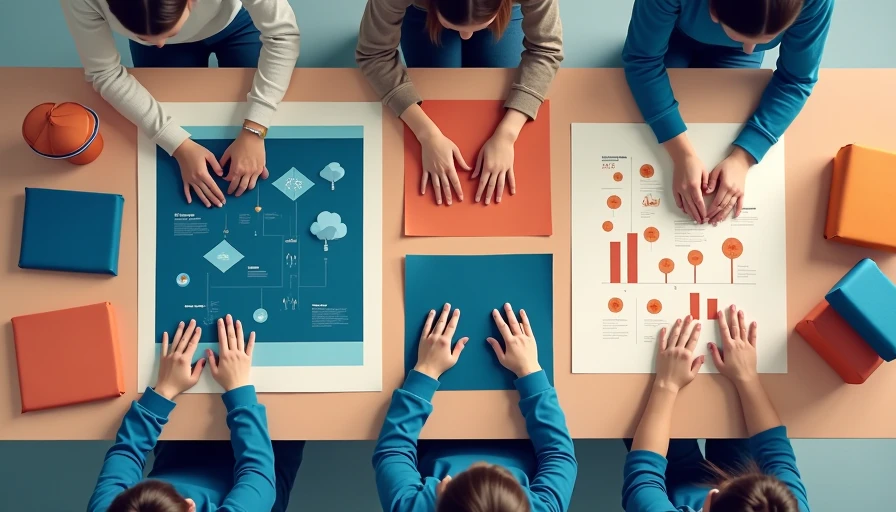
Not all free sewing designs are labeled “beginner” accurately. A pattern marketed as easy might still require tricky zipper insertion or bias binding. Here's a quick guideline: look for patterns with minimal pieces (three or less), no fitted curves (like princess seams), and simple closures (buttons or elastic instead of zippers). For example, a simple A-line skirt or a drawstring bag are great starter projects. If you're more advanced, you can tackle a button-down shirt or a lined jacket — many free designs cater to intermediate levels too. Always read the pattern description and comments from other makers. On sites like Purl Soho or Craftsy, you can often see project photos from real people, which helps you judge difficulty.
Tips for Adjusting Free Sewing Designs to Fit Your Thrifted Fabric
Thrifting fabric is a whole different ballgame compared to buying from a fabric store. You might score a vintage bedsheet with a gorgeous floral print, but it might be a different weight or stretch than what the pattern calls for. For woven cottons, you can usually substitute freely, but for knits, you'll need a pattern designed for stretch. Always test your fabric first: cut a small swatch and sew a seam to see how the needle and thread behave. If you're using a thrifted sheet, iron it and remove any chemicals before cutting. And never skip pre-washing — thrift store fabrics may shrink. Free sewing designs often include a recommended fabric list — use that as a starting point, but don't be afraid to experiment. Worst case, you end up with a project that's not quite perfect, and that's how we learn.
Common Mistakes Beginners Make with Free Sewing Designs (and How to Avoid Them)
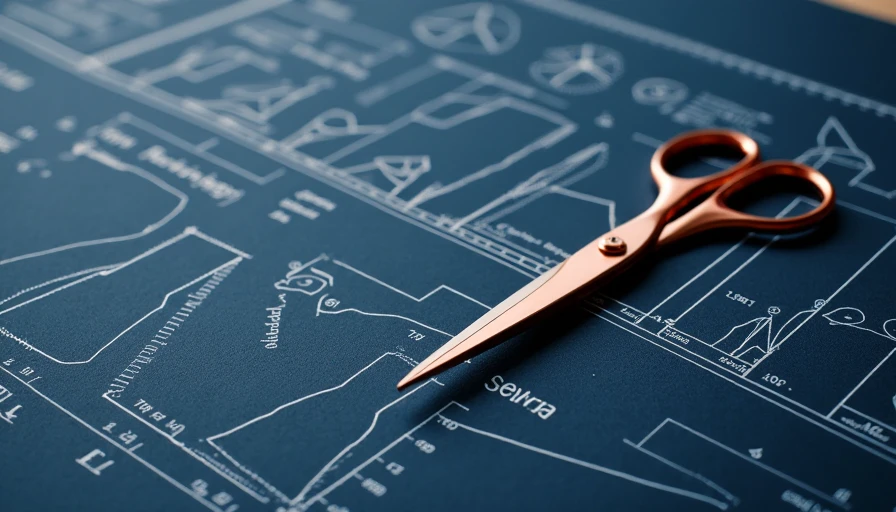
One of the biggest mistakes is skipping the finished garment measurements. Free sewing designs usually list the expected finished chest, waist, and hip measurements — compare these to your own body measurements instead of relying on the size you buy off the rack. Another trap: assuming all free patterns are well-tested. Some independent designers release freebies without thorough testing. Look for patterns with clear yardage requirements, grainline arrows, and notches. If the instructions feel vague, search for sewalongs on YouTube — often other makers have filmed the process using that exact free sewing design. And please, always print your PDF at 100% scale — test that little printed square before cutting!
Our Favorite Free Sewing Design Sources for Vintage Lovers
If you're into vintage style, there are some amazing free sewing designs out there. The Vintage Sewing Pattern Library (online) has PDF downloads of original vintage patterns from the 1940s, 50s, and 60s — many free. Sites like Wearing History offer free reproduction patterns for retro silhouettes. For a more modern take, try Patterns4Projects, which has free designs inspired by classic shapes. And don't forget your local library! Some library systems provide free access to Creativebug, which offers comprehensive sewing courses and patterns. No such thing as a stupid question here — if you're stuck on a vintage pattern term (like “dart” or “facing”), just ask in our community. We've all been there.
Free sewing designs are a fantastic way to practice a new skill, outfit your wardrobe on a dime, and give secondhand materials a second life. Start with one simple project — maybe a drawstring bag from that old pillowcase — and build your confidence. Before you know it, you'll be altering thrift store finds left and right. Got a free pattern win or fail story? Share it with the StitchSwapTalk community — we love learning from each other's trials and triumphs.

No notes yet — write the first one.