Learning how to style suits does not require a designer wardrobe, expensive tailoring, or a closet full of matching accessories. A thrifted blazer and trousers can become several outfits when you understand proportion, color, and a few simple fit adjustments. No such thing as a stupid question here — let's walk through it.
Start with the fit, not the trend
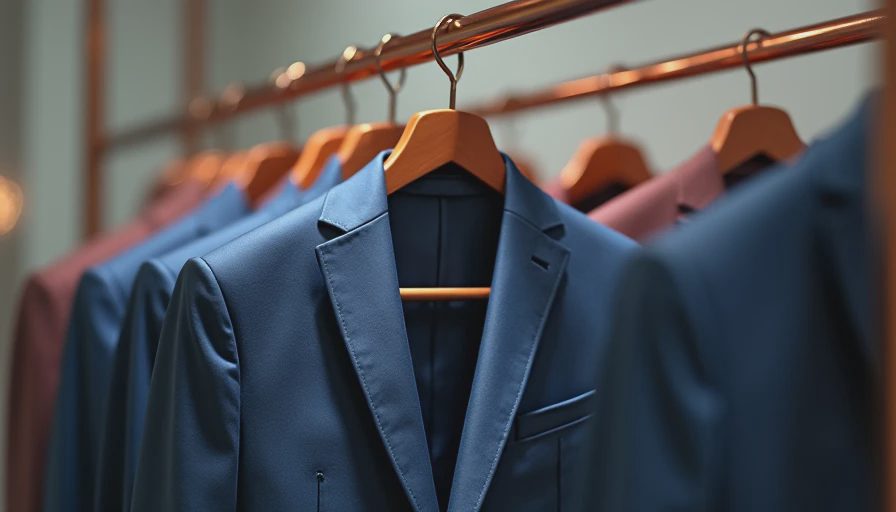
The best suit styling begins in the fitting room. Check the shoulder seams first. They should sit close to the edge of your shoulders without collapsing down your arms. A slightly roomy chest is workable, but shoulders are difficult and expensive to alter. Next, button the jacket and look for pulling across the front. A small amount of ease is useful; strained fabric is not.
For trousers, make sure the waistband sits comfortably when you sit down. The seat should skim rather than cling, and the rise should not create uncomfortable drag lines. Full-length trousers usually look intentional with a small break over sneakers or loafers. Cropped trousers can work with boots, socks, or ballet flats, but an awkward ankle length is often just an unfinished hem.
When learning how to style suits, remember that tailoring does not have to mean a full reconstruction. A local tailor might charge roughly $15 to $30 for a trouser hem, $25 to $60 for a sleeve adjustment, and more for taking in a jacket. If you sew, temporary hand basting lets you test a change before cutting. I once shortened vintage trousers too aggressively and had to add a contrasting cuff; the mistake became the best detail in the outfit.
Build the first outfit with familiar basics
The easiest answer to how to style suits is to treat the suit as separates. Wear the jacket with straight-leg jeans and a plain T-shirt. Wear the trousers with a chunky sweater or a crisp button-down. This breaks up the office feeling and makes a secondhand purchase useful across seasons.
For a relaxed look, try a boxy blazer, a fitted tank, faded jeans, and clean white sneakers. Balance matters: an oversized jacket looks deliberate when the top underneath is simple and the denim has a clear shape. For a softer outfit, combine wide-leg suit trousers with a tucked-in knit, low-profile loafers, and a small shoulder bag.
If the suit is gray or navy, nearly any neutral will cooperate. Black works with almost everything, while cream, denim blue, brown, and burgundy make the outfit feel less corporate. A striped shirt can add energy without requiring complicated accessories. Start with one strong element, then keep the rest quiet.
Use color and texture to make thrifted pieces feel current
Color is one of the quickest ways to change the mood of a suit. A chocolate brown jacket with pale blue denim feels casual and vintage-inspired. A charcoal suit with a soft pink or pale yellow shirt feels lighter than a white-shirt combination. If the suit is a loud plaid, repeat one subtle color from the pattern in your shoes, socks, or bag instead of adding another print.
Texture also helps. Pair smooth suiting wool with a ribbed cotton tee, a chunky cardigan, corduroy shoes, or a canvas tote. Satin can look polished, but too much shine can make a thrifted suit resemble a costume. Matte textures are easier for everyday wear and photograph well in natural light.
A useful beginner exercise is to lay the jacket, trousers, and three tops on your bed. Add two pairs of shoes and one bag. Take quick photos of every combination. The camera often reveals proportion problems that a mirror hides, especially when a jacket is too long or trousers pool heavily at the ankle.
Try these three outfit formulas
The first formula is casual tailoring: suit jacket, graphic tee, straight jeans, and sneakers. Choose a simple tee with enough structure that it does not disappear beneath the lapels. Push the sleeves slightly, but do not create a bulky roll.
The second formula is vintage-inspired: matching suit, tucked-in knit polo, loafers, and a narrow belt. Keep the belt close to the trouser color so the outfit looks continuous. This is a good option for a patterned or double-breasted suit because the accessories remain controlled.
The third formula is practical evening dressing: trousers, silky camisole or fitted shirt, cropped cardigan, and ankle boots. A small brooch or scarf can replace statement jewelry. These formulas show how to style suits without buying a new outfit for every occasion.
Make small DIY changes safely
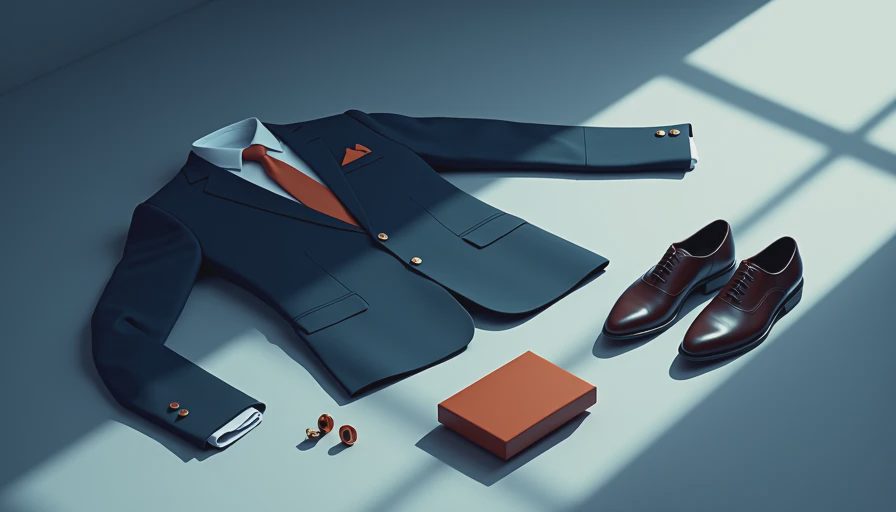
Secondhand suit fabric deserves a gentle approach. Before pressing, read the care label and test heat on an inside seam allowance. Wool can usually handle careful steam, but direct high heat can create shine. Use a pressing cloth, such as cotton muslin, between the iron and the fabric. Never cut a hem until you have worn the garment with the shoes you plan to use.
For an easy update, replace tired buttons with horn-look, metal, or fabric-covered buttons that suit the jacket's era. Photograph the original placement before removing anything. If a pocket is sagging, press it flat and secure the opening with a few hidden stitches rather than sewing across the entire pocket mouth.
A visible mend can also make a piece feel personal. Use matching thread for a discreet repair, or choose embroidery thread in a related color for a small decorative mark. Avoid cutting into vintage fabric that already feels brittle. Stabilize a weak area from the inside with lightweight fusible interfacing first.
Shop smarter and style more often
When thrifting, inspect the lining, underarms, cuffs, crotch seam, and buttonholes. Minor stains may be manageable, but moth holes, strong odors, and shredded lining can turn a $20 find into a costly project. Look for natural fibers when you want breathable, structured pieces, and check polyester blends when you want easy care and lower prices.
Think about your existing wardrobe before buying. A navy suit is useful if you already own denim, white shirts, sneakers, and brown shoes. A lime green suit can be exciting, but it needs enough compatible basics to earn closet space. Ask whether the jacket and trousers can each make at least three outfits.
The most helpful part of how to style suits is giving yourself permission to experiment. Wear the jacket open, switch the shoes, add a hoodie, or alter the hem after testing the silhouette. There is no requirement to make a thrifted suit look traditionally formal. Your best version might be a slightly imperfect jacket with visible mending and jeans you already love.
A quick outfit test before you leave
Stand, sit, walk, and raise your arms. The jacket should not restrict normal movement, and the trousers should stay comfortable when seated. Check that pockets do not pull and that your shirt stays tucked if that is part of the look. Take one front photo and one side photo in daylight.
Then remove one accessory. Beginners often add extra belts, necklaces, scarves, and bags because the outfit feels unfamiliar. A cleaner starting point makes the suit easier to read. Once the proportions feel right, add one personal detail: a vintage pin, repaired cuff, colorful sock, or handmade bag.
That is how to style suits in a way that feels useful rather than precious. Begin with fit, split the pieces into separate outfits, test colors and textures, and make only the alterations you can reverse or confidently repair. A good secondhand suit should support your life, not sit untouched in the closet.



No notes yet — write the first one.