Vintage inspired clothing can make an everyday outfit feel more personal without requiring a head-to-toe costume. The trick is learning which details create an older look, then mixing them with modern pieces you will actually wear. No such thing as a stupid question here — let's walk through it.
What vintage inspired clothing really means
The phrase usually describes new or secondhand garments influenced by earlier fashion rather than clothing proven to be from a specific historical decade. A blouse with a Peter Pan collar, a denim jacket with a 1970s shape, or a dress with a 1940s-style waist can all fit. Genuine vintage clothing has an age and history; vintage inspired clothing borrows its lines, prints, colors, or construction.
That distinction matters when shopping online. A listing can use words such as retro, reproduction, antique-style, or vintage-inspired, but those labels do not guarantee quality. Read the fiber content, inspect measurements, and ask for close photos of seams, hems, closures, and fabric wear. A polyester dress made last year is not the same as a silk dress made decades ago, even if both have a similar silhouette.
Start with one recognizable detail instead of chasing an entire era. A high-waisted trouser, cropped cardigan, saddle shoe, or patterned scarf can suggest a time period while keeping the outfit comfortable and current. If every item is strongly themed, the result can look more like a costume than a closet you will reach for on a Tuesday.
How to identify a useful secondhand piece
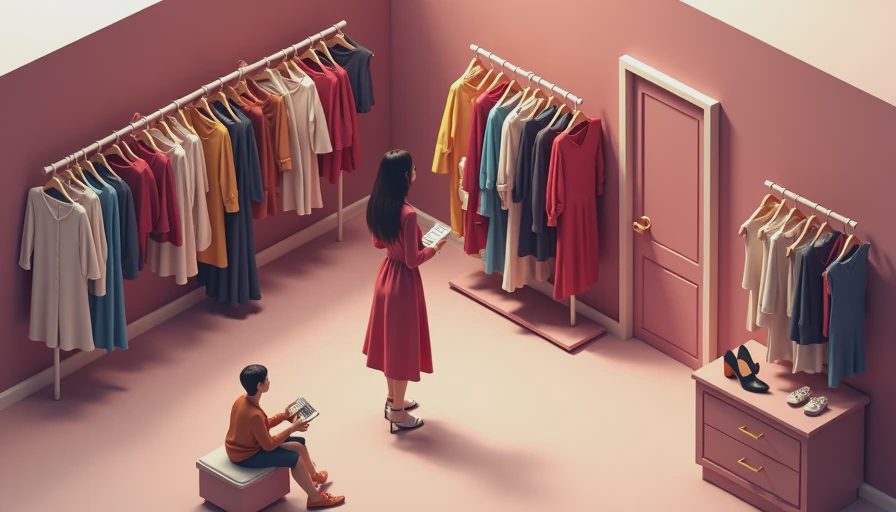
Thrift stores rarely organize clothing by decade, so train your eyes to look for construction. Metal zippers, generous seam allowances, union labels, natural fibers, hand-finished hems, and unusual buttons can provide clues, though none proves a garment's age alone. Older-looking does not automatically mean better. Brittle elastic, shattering synthetic fabric, moth holes, and dried-out coatings can turn a cheap find into an expensive repair.
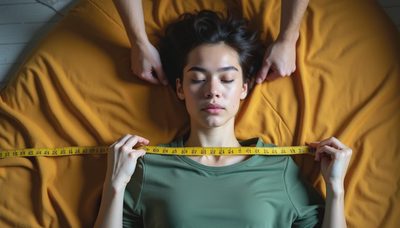
Bring a flexible tape measure and record your own measurements before shopping. Measure a shirt from armpit to armpit, shoulder to shoulder, sleeve length, and total length. For pants, measure the waist, rise, inseam, and thigh. Vintage and vintage inspired clothing often use different sizing standards, so the number on the tag is less useful than the actual measurements.
Check the garment in strong light. Hold printed fabric near a window and look for thinning areas, discoloration, or tiny pinholes. Open every button and zipper gently. Snaps that pull away from the fabric can usually be reinforced, but a damaged zipper may require a replacement costing $10 to $30 in materials or much more at a tailor. A $12 skirt is not a bargain if it needs work you will never finish.
Building an outfit without looking overdone
A simple formula is one period reference, one modern basic, and one texture that connects them. Try a floral midi skirt with a plain white T-shirt and leather sneakers. Pair a 1970s-inspired corduroy blazer with straight-leg jeans and a fitted tank. Wear a knit cardigan over a contemporary slip dress, then add a small scarf rather than several matching accessories.
Color does a lot of historical work. Rust, mustard, olive, cream, and chocolate brown can suggest the 1970s, while navy, cherry red, soft pink, and black often support mid-century styling. You do not need to buy a whole new color palette. Start with accessories, such as a $6 thrifted belt or a $10 scarf, and see whether the shade earns a place in your wardrobe.
Proportion is equally important. If a vintage inspired clothing piece is oversized, balance it with a narrower item. A boxy jacket works with a straight skirt or slim jeans. A full circle skirt works well with a shorter, closer-fitting top. Try the outfit while sitting, walking, and reaching for a shelf. A look that photographs beautifully but pinches at the waist will not become a favorite.
Here's what belongs and what does not: a little styling tension belongs, such as a delicate blouse with workwear jeans. Five competing retro signals do not. Remove one accessory before leaving the house and see whether the outfit becomes easier to wear.
Easy alterations that improve the fit
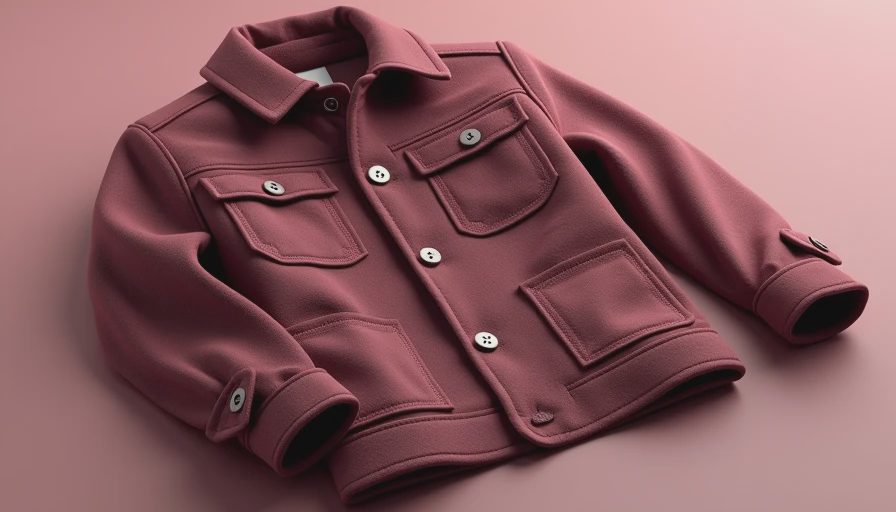
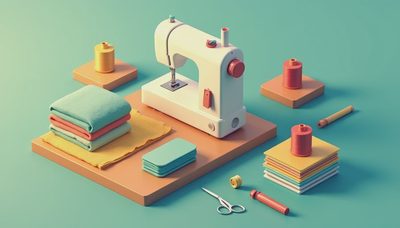
Fit changes the whole impression of vintage inspired clothing. Begin with low-risk alterations. A loose waist can often be adjusted through the back seam, a long sleeve can be shortened, and a skirt hem can be raised with a straight stitch. Use a seam ripper, matching thread, fabric scissors, pins, an iron, and a measuring tape. Pressing each seam before and after sewing is not busywork; it helps the finished alteration look intentional.
For a beginner project, mark a skirt hem while wearing the shoes you expect to use. Remove the original hem carefully, press out the fold, and try the garment again before cutting. Fold the new hem twice, press it flat, pin it, and stitch slowly. Test the thread tension on a scrap first. I once skipped that test on a rayon skirt, created a puckered line, and had to unpick nearly the entire hem. The fix was slower stitching, a fresh needle, and lighter pressure on the fabric.
Do not start with leather, sequins, slippery satin, or a lined jacket. Choose stable cotton, denim, or medium-weight wool for your first alteration. If a garment needs major reshaping, find a local tailor and ask for a written estimate. Common repairs can run from $15 for a basic hem to $60 or more for complicated changes, so compare that cost with the garment's value and your available time.
Caring for your finds
Care keeps a good piece wearable. Read the care label, but also consider the fabric's age and condition. Spot-clean sturdy materials with a mild detergent and cool water. Air-dry garments instead of placing them in a hot dryer, which can shrink fibers, weaken elastic, and set stains. Use padded hangers for structured jackets and fold heavy knits so their shoulders do not stretch.
Before using dye, test a hidden seam. Fiber-reactive dyes work best on plant fibers such as cotton, linen, and rayon, while wool and silk require different products and lower temperatures. Polyester may need a dye formulated for synthetics and a hot process. Dyeing is not a reliable fix for grease, permanent fading, or fabric damage, and uneven results are common when the item is not thoroughly washed first.
For storage, clean clothing before packing it away and use breathable cotton garment bags rather than sealed plastic. Keep pieces away from direct sunlight, damp basements, and strong fragrances. Photograph unusual labels and construction details before making alterations; those notes help you remember what worked and make future repairs easier.
A smarter way to shop and style
Set a practical budget before opening a resale app. For many shoppers, $20 to $40 is enough for a test piece, while special fabrics or well-made jackets deserve a larger budget. Search by details rather than only by era: embroidered collar, pleated skirt, wool blazer, cotton cardigan, or metal zipper can uncover better listings.
Read measurements twice and compare them with a garment you already own. Ask sellers about odors, repairs, lining damage, and whether the color looks different in natural light. Save screenshots of promising listings so you can compare prices instead of buying from excitement. On swap groups, describe flaws clearly and photograph them beside a ruler. Honest details protect both people and keep secondhand communities welcoming.
Most importantly, wear the clothes. Vintage inspired clothing should support your real life, whether that means commuting, gardening, working at a desk, or meeting friends for coffee. If a piece needs one small fix, make a date with your sewing machine. If it needs five repairs and makes you uncomfortable, pass it along honestly. The best wardrobe is not the one with the most historical references; it is the one that helps you get dressed with confidence.

No notes yet — write the first one.