When you search for quality sewing everett washington, you may be looking for more than a basic hem. You might need vintage denim repaired, a thrifted dress reshaped, or a beginner-friendly place to learn without feeling embarrassed. No such thing as a stupid question here — let's walk through it. The right local resource can help you save a great garment instead of abandoning it in the back of your closet.
What quality sewing should look like
Quality work starts with a conversation about the garment, not a rushed promise. A good sewist or alteration shop should inspect the fabric, seams, lining, closures, and overall shape before quoting a price. Ask what can realistically be changed. A cotton skirt can often be shortened, a waistband adjusted, or a pocket repaired. A slippery rayon blouse may need more careful handling, while an old wool coat can hide complicated construction beneath its lining.
For quality sewing everett washington shoppers should also look for clear explanations. You should know whether the finished piece will look factory-clean, visibly repaired, or intentionally patched. Those are different results, and none is automatically wrong. A visible mend with sashiko-style stitching can suit workwear beautifully, while a formal vintage jacket usually calls for matching thread and discreet reinforcement.
Bring the entire garment, including a belt, removable straps, or the shoes you expect to wear with it. A tailor cannot judge the final length of wide-leg pants accurately if you arrive barefoot and describe your usual heel height from memory. Pinning while you wear the item gives a much more useful starting point.
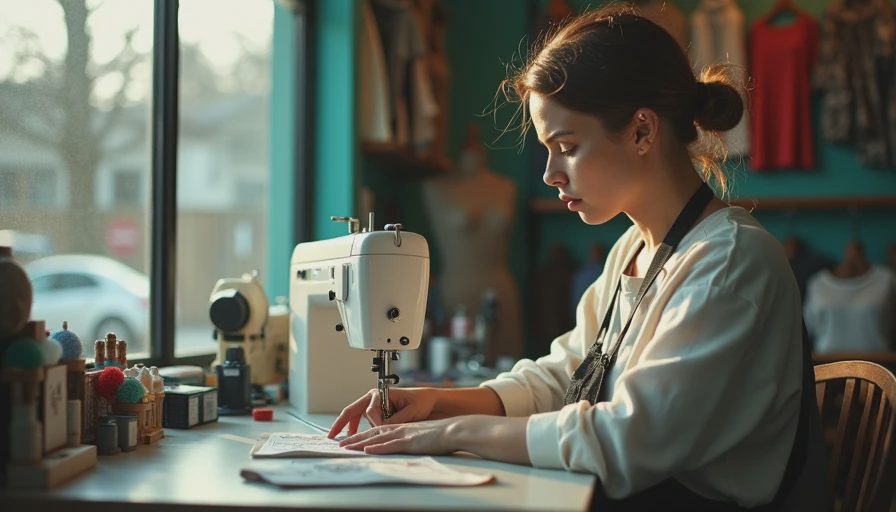
Finding a local fit for your project
Searching for quality sewing everett washington is a useful first step, but the project details matter just as much as the location. Look for alteration specialists when the priority is fit, repair-focused sewists when the fabric is damaged, and sewing instructors when you want to learn the process yourself. Some resources may handle everyday clothing but decline leather, bridalwear, heavy canvas, or complex vintage pieces. That is not necessarily a red flag; specialized equipment and experience make a real difference.
Before booking, ask three simple questions. Does the shop work with the material in your garment? Can it preserve original details such as topstitching, labels, or unusual buttons? What is the estimated completion window? A careful answer is more reassuring than a very low price offered without examining the piece.
Prices depend on construction and labor. A straightforward hem might fall around $15 to $35, while replacing a zipper, adjusting a lined jacket, or rebuilding a waistband can cost $40 to $120 or more. Vintage repairs often take longer because thread has weakened, seam allowances are narrow, and previous alterations may have removed useful fabric. Paying for careful work is usually cheaper than replacing a rare garment you cannot easily find again.
Questions to ask before leaving your clothes
A beginner-friendly sewing professional will not mind practical questions. Ask whether the work will be machine stitched, hand finished, or both. Ask how the repaired area will be reinforced and whether the thread color will match exactly or intentionally contrast. If the item is valuable, ask whether a test stitch can be made on an inside seam or scrap before the visible work begins.
For quality sewing everett washington projects, take photos of the garment before handing it over. Photograph the front, back, labels, stains, loose seams, and any existing damage. These pictures help you remember the original condition and can clarify what you approved. If a hem is being changed, mark the desired length with safety pins or chalk rather than relying only on a verbal description.
One mistake I have made is assuming that “make it smaller” explains everything. It does not. A dress can be too wide at the bust, too long in the shoulders, and loose at the waist at the same time. Removing fabric from one seam may distort the drape. Explain where the garment feels wrong while wearing it, then let the sewist suggest the construction change.
When a sewing class makes more sense
If you have several mending jobs waiting, a class can be a better investment than paying for each small repair. Community programs, fabric stores, makerspaces, and independent instructors may offer beginner sessions covering machine threading, seam allowances, zipper basics, and simple alterations. Call ahead to confirm whether machines are supplied. Some classes expect students to bring a functioning machine, thread, fabric scissors, pins, and a practice garment.
A practical first project is a thrifted cotton shirt with a loose button, a small tear, or sleeves that need shortening. Avoid beginning with silk, stretch velvet, lined tailoring, or a sentimental family heirloom. You want fabric that lets you make mistakes without making the mistake expensive. For quality sewing everett washington learners, the best class is one that includes supervised practice rather than a long lecture followed by homework.
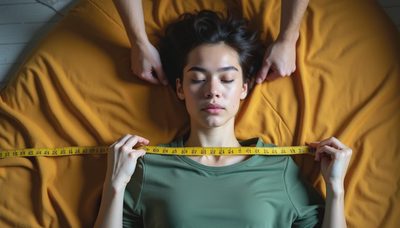
Here is what belongs in a basic repair kit: polyester all-purpose thread, sharp fabric shears, hand-sewing needles, glass-head pins, a seam ripper, measuring tape, tailor's chalk, and an iron. A $10 to $20 iron from a thrift store can improve results more than buying decorative gadgets. Pressing each seam as you work helps hems lie flat and prevents the homemade look that beginners often blame on their machines.

A simple test for secondhand garment quality
Before buying a thrifted piece for an alteration project, inspect it under bright light. Tug gently beside the side seams and shoulder seams. If the fabric splits around the stitches, the garment may need more reconstruction than its price suggests. Check the underarms for discoloration, the waistband for stretched elastic, and the zipper for missing teeth. Smell matters too: persistent mildew can remain after washing and may spread to other clothing.
Turn the item inside out. Even stitching, finished seam edges, and a stable lining are encouraging signs. Loose threads are easy to fix, but shattered fabric is not. Look for extra seam allowance at hems and side seams because that gives a sewist room to let a garment out. A coat with half an inch of hidden allowance may be more useful than a cheaper coat with seams cut right to the edge.
If you are comparing quality sewing everett washington options for a vintage find, bring fabric information when possible. A care label can reveal fiber content and washing limits. If there is no label, describe how the fabric feels and whether it stretches. That information helps determine needle size, thread choice, pressing temperature, and whether the garment should be washed before alteration.
Make the most of your appointment
Arrive with a realistic goal, a budget, and enough time for fitting. Wear the undergarments and shoes that match the final use of the garment. Keep inspiration photos focused on shape rather than expecting an exact copy. A photo of wide cuffs can communicate your idea, but the existing fabric, pockets, grain line, and closures determine what is possible.
For quality sewing everett washington services, write down the agreed changes and pickup date. Confirm whether the quoted price includes buttons, replacement zipper parts, pressing, or a second fitting. Try the piece on before accepting it, move normally, sit down, and raise your arms. Small adjustments are easier before the item leaves the shop.
Most importantly, do not wait for your sewing skills or wardrobe to become perfect. Start with one repair, ask the question you think is too basic, and keep the garment that taught you something. Whether you choose a local alteration professional, a class, or your own machine, thoughtful sewing turns secondhand clothing into something you will actually wear.
No notes yet — write the first one.