If you're new to sewing and want to make your own clothes, starting with **easy dress making patterns** is the smartest move. Dresses can look intimidating, but the right pattern makes the process straightforward and fun. Whether you've only hemmed pants or never touched a sewing machine, these projects build skills without frustration. No such thing as a stupid question here — let's walk through what makes a pattern beginner-friendly and which ones you should try first.
What Makes a Dress Pattern "Easy"?
Not all dress patterns are created equal. The simplest ones share a few key features: few pattern pieces, elastic or no closures, and straight seams. Look for patterns labeled "beginner" or "easy" from major brands like Simplicity, McCalls, or independent designers like Sew Over It. Typically, an easy pattern has no zippers, no darts, and minimal fitting. Shift dresses, T-shirt dresses, and elastic-waist dresses are the gold standard. When you're learning, you want to avoid anything with sleeves set into armholes (that's a whole skill in itself) or complicated facings. Stick with patterns that use knit fabrics — they're forgiving of mistakes.
5 Easy Dress Making Patterns to Start With
Here are five specific styles that make excellent first projects. Each one teaches a different skill without overwhelming you.
**1. The Shift Dress** — Minimal shaping, straight sides, usually sleeveless. You learn basic seams and hemming. Try Simplicity 8529 or McCalls M7818.
**2. The T-shirt Dress** — Made from knit fabric, no closures, just stretch and sew. You'll practice using a ballpoint needle and a stretch stitch. Look for patterns like True Bias Nikko or a simple raglan shirt pattern drafted to dress length.
**3. The Elastic Waist Dress** — Two rectangles (or slightly shaped), gathered at the waist with elastic. No zippers, no buttons. Perfect for learning gathering stitches and elastic insertion. Pattern: McCalls 7971 or a free tutorial from Made Everyday.
**4. The Tiered Dress** — Like an elastic waist but with multiple fabric tiers. You'll practice gathering and attaching panels. Easy to customize length.
**5. The Wrap Dress** — When you're ready for a challenge but still beginner-friendly, a simple wrap dress eliminates zippers. Look for a pattern with ties instead of buttons. Sew Over It's Ultimate Wrap Dress is a good start.
Each of these **easy dress making patterns** teaches you something new without throwing too much at once. Start with one, and don't worry if it's not perfect — your second will be better.
Tips for Sewing Your First Dress
Before you cut into fabric, iron everything — fabric and pattern. Pre-wash your fabric to avoid shrinkage later. Use a rotary cutter if you have one; it's so much easier than scissors for straight lines. When you're sewing, go slowly and press each seam open. And here's what went wrong for me the first time: I didn't match notches properly, and the sides came out uneven. Fix it by pinning at the notches first, then along the rest. If you make a mistake, you can usually seam rip and try again. No shame in that.
Where to Find Easy Dress Making Patterns
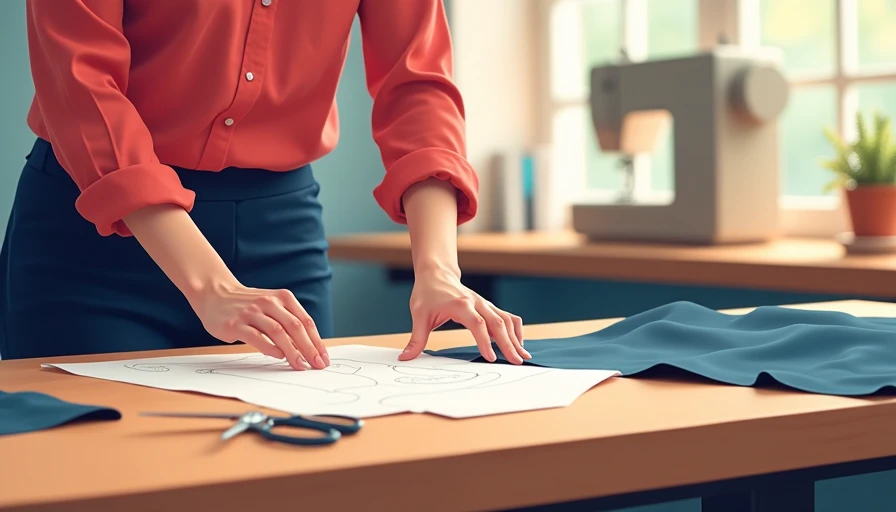
You don't need to spend a fortune. Big sewing stores sell paper patterns for $2-5 on sale. Online, independent designers offer PDF patterns you print at home — many have free or pay-what-you-want options. Sites like Etsy, Love Sewing, and The Fold Line have filters for "beginner" level. Also, don't overlook YouTube tutorials that include printable patterns. I've found free patterns from Made for Mermaids and Patterns for Pirates that are genuinely easy. The key is reading reviews: other sewists will tell you if a pattern runs small or has confusing instructions.
Common Questions About Sewing Dresses
**Q: What fabric should I use for my first dress?**
Go with a cotton or cotton-blend woven for shift dresses, or a stable knit like interlock for T-shirt dresses. Avoid slippery fabrics like silk or chiffon until you have more practice.
**Q: How long does it take to sew a simple dress?**
About 2-4 hours for a first project, depending on the style. Tiered dresses take longer because of gathering. Set aside an afternoon and don't rush.
**Q: Do I need a serger?**
No. A regular sewing machine with a zigzag stitch or overcast stitch works fine for finishing seams. A serger is nice but not necessary for **easy dress making patterns**.
**Q: What if I don't understand the pattern instructions?**
Search online for a sew-along video. Many designers have free videos walking through each step. Or ask in a sewing community — there's no such thing as a stupid question here.
Start Sewing Today
Your first dress doesn't have to be perfect. It just has to be yours. Pick one of the **easy dress making patterns** above, grab some affordable fabric, and give it a go. You'll learn, you'll make mistakes, and you'll end up with something you can wear. That's the whole point. Happy sewing!

No notes yet — write the first one.