If you have ever fallen for a fantastic thrifted dress and then discovered it has nowhere to put your phone, you are in good company. Learning how to add pockets to a dress is one of the most useful beginner sewing projects because it solves a real problem without changing the whole garment. You need basic sewing supplies, a little patience, and enough fabric for two pocket bags. No such thing as a stupid question here — let's walk through it.
Choose the right pocket style and fabric
Before cutting anything, decide where your hands naturally rest when you wear the dress. Side-seam pockets are usually the easiest choice for a beginner. They hide inside the existing seam and work well on loose, gathered, A-line, and fit-and-flare dresses. Patch pockets are simpler to sew but remain visible, so they become part of the design. If the dress is vintage, a patch pocket in contrast fabric can look intentional and charming rather than like a repair.
For side-seam pockets, use lightweight to medium-weight woven fabric. Cotton quilting fabric, an old pillowcase, or fabric saved from a damaged skirt can work. Avoid very stiff canvas unless the dress is heavy enough to support it. Slippery lining fabric is also frustrating for a first attempt because it shifts while cutting and sewing. Match the pocket fabric to the dress weight, and prewash both fabrics if laundering could cause shrinkage.
A practical pocket opening is about 5 to 7 inches long, with a pocket bag extending 7 to 9 inches downward. Trace a pocket pattern from a garment you already like, or place your hand on paper and draw around it, leaving at least 1 inch beyond your fingers and 1/2 inch seam allowance around the edge. Make the opening wide enough for your hand, not merely decorative.
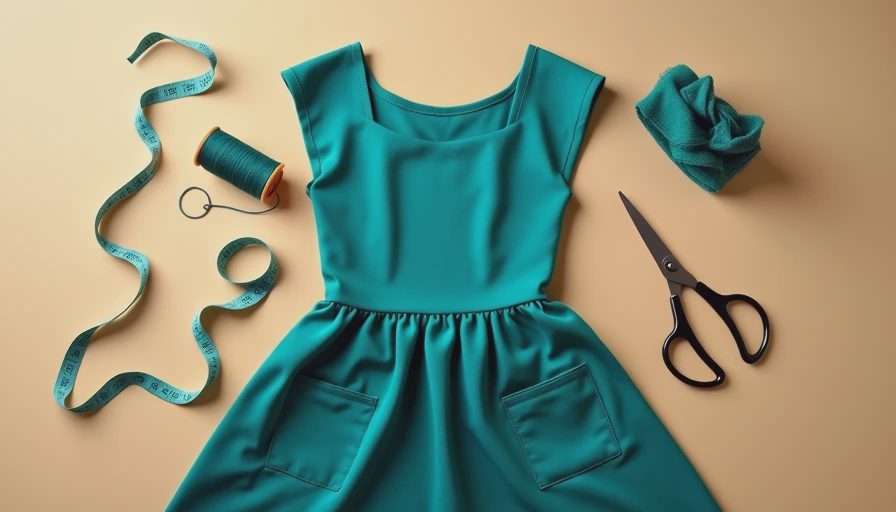
How to add pockets to a dress with side seams
The first step in how to add pockets to a dress is marking the opening. Put the dress on inside out, or lay it flat with the side seams aligned. Mark the top and bottom of the pocket opening with washable chalk or a fabric pen. Many people place the opening between the waist and upper hip, but your body and the dress shape matter more than a fixed measurement.
Next, inspect the side seam. If it is already sewn, carefully use a seam ripper to open only the marked section. Do not slice through the dress fabric. Remove loose threads and press the seam flat. If the seam has French seams or bulky serging, take your time; forcing the seam ripper can create a hole that is larger than the pocket opening.
Cut four pocket pieces, two for each side, using your paper pattern. Place the pieces right sides together in pairs and sew around the curved pocket edge, leaving the straight opening edge unsewn. A 1/2-inch seam allowance is common. Finish the raw edge with a zigzag stitch, pinking shears, or an overlock stitch if your machine has one. Turn the bags right side out and press them so the curves lie smoothly.
Pin one pocket piece to each side of the dress opening, right sides together. Match the pocket opening edges carefully and sew from the top mark to the bottom mark. Repeat on the other side. Stitch slowly over the old seam ends so the new stitching locks into the original construction. If your machine is struggling, use a fresh universal needle and reduce the speed rather than pulling the fabric.
How to add pockets to a dress without making the opening gape
A pocket can be perfectly sewn and still pull the dress out of shape if the bag is too large or the opening is placed too low. Before finishing, turn the dress right side out and put your hand inside each pocket. Walk, sit, and reach. If the opening gapes, pin the upper section closed slightly and test again. You can also add a short line of topstitching along the opening to keep the edge flat.
Here is what went wrong + how I fixed it: on one lightweight cotton dress, I made deep pockets from thick upholstery scraps. The bags pulled downward and made the side seams look crooked. Removing them was annoying, but replacing them with cotton lawn solved the problem. The lesson is simple: a deep pocket is not automatically a better pocket. Fabric weight matters as much as pocket size.
To stabilize a fragile dress, reinforce the pocket opening with a small strip of lightweight fusible interfacing on the wrong side. Keep the strip inside the seam allowance so it does not show. For a knit dress, use stretch fabric for the pocket bags and a ballpoint needle. A woven pocket sewn into a stretchy garment can restrict movement and cause the opening to pop out.
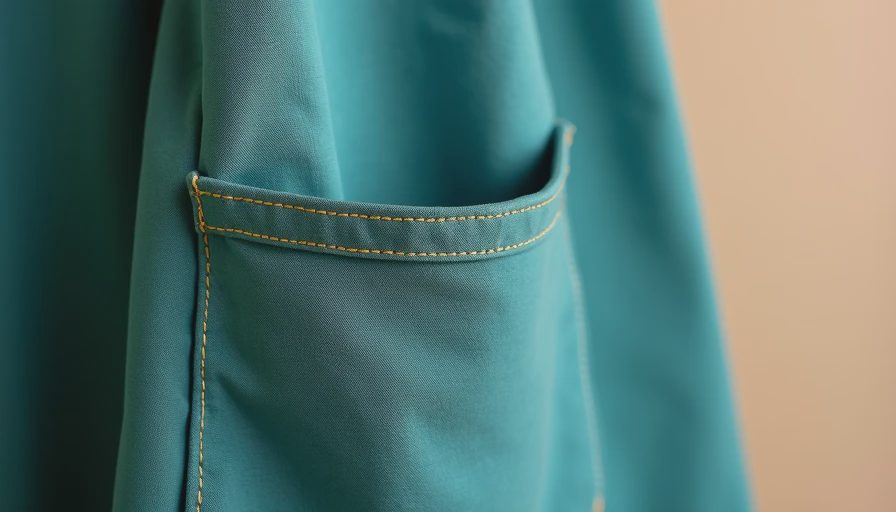
Finishing, testing, and useful beginner fixes
Once the pocket bags are attached, place the dress inside out and sew the pocket side seams together. Start at the original underarm seam, follow the dress seam to the pocket opening, curve around the pocket bag, and continue down the side seam. Backstitch at both ends. If the original seam allowance is narrow, sew a second line just inside the first rather than relying on one delicate row of stitches.
Press the finished seams. Pressing is not the same as ironing quickly back and forth; use the iron to settle the seam in its new position. A pressing cloth protects delicate vintage fabric. Clip small notches into the curved seam allowance, stopping before the stitching, so the pocket curve turns without puckering.
If you are learning how to add pockets to a dress on a sewing machine, test every step on scraps first. Test the stitch length, needle, thread tension, and seam finish. A medium stitch length around 2.5 millimeters is a useful starting point for woven fabric, but the scrap test tells you more than a number. Check that the pocket holds your phone, keys, or a small card case without stretching the dress.
For hand sewing, use a strong polyester thread and small backstitches around the pocket opening. Hand stitching takes longer but is completely workable for a vintage dress or a project without a machine. Keep the stitches even, and anchor the pocket at the opening ends because those points receive the most stress.
A simple checklist before wearing the finished dress
The best final check for how to add pockets to a dress is practical rather than perfection-based. Confirm that both openings are the same height, the pocket bags are fully closed, and no raw edge can unravel into the dress seam. Put on the dress with the items you normally carry. Sit in a chair, climb a few steps, and move your arms. The pocket should stay comfortable instead of dragging the dress sideways.
If the pockets swing outward, shorten or narrow the pocket bags. If they disappear behind the side seam, move the opening slightly toward the front on your next version. If the dress fabric puckers, remove a few stitches and reduce bulk in the seam allowance. These are normal adjustments, not proof that you ruined the garment.
Learning how to add pockets to a dress can turn an overlooked thrift find into something you reach for every week. Start with a relaxed cotton dress, use scrap fabric, and allow yourself one imperfect seam. The finished pockets do not need to look factory-made; they need to be secure, comfortable, and useful. Once you have completed one pair, you will have the confidence to add pockets to dresses, skirts, robes, and even a favorite handmade garment.




No notes yet — write the first one.