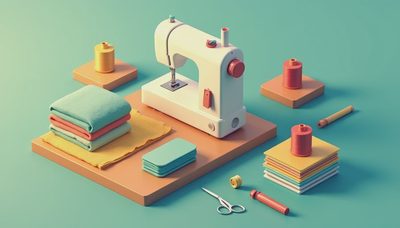
Portable sewing machines can make a small sewing setup feel much less intimidating. If you want to hem thrifted jeans, repair a split seam, or turn an oversized shirt into something wearable, a compact machine can be a useful starting point. No such thing as a stupid question here — let's walk through it. The important part is choosing a machine that matches your projects instead of buying a tiny gadget that struggles with every layer of fabric.
What portable sewing machines are good at
Most portable sewing machines are designed for light-duty work. That usually includes cotton shirts, quilting cotton, lightweight linen, simple costume fabric, and basic repairs. Some models are full-size machines with a carry handle, while others are genuinely miniature units that run from a wall adapter, batteries, or both. Those categories behave very differently, so the word portable does not tell you everything.
A full-size compact machine can often handle straight stitches, zigzag stitches, backstitching, buttonhole work, and adjustable stitch length. A very small handheld or tabletop model might only provide a basic straight stitch. That can still be useful for closing a loose seam, but it is not a substitute for a sturdy machine when you are reshaping denim or sewing multiple layers.
For secondhand clothing, the biggest advantage is convenience. You can leave a compact machine on a desk, move it to a kitchen table, or take it to a clothing swap. A machine that is easy to access is more likely to get used than one buried in a closet. The best tool is often the one that lets you fix a $6 thrift-store find before you lose interest.
Features that matter more than a long stitch list
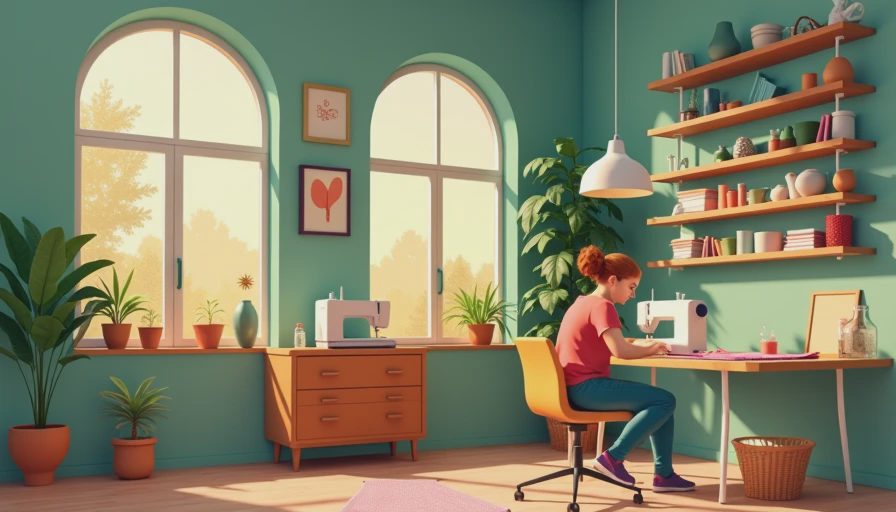
When comparing portable sewing machines, look first at control and stability. A foot pedal gives you more consistent speed than a push-button start, especially when sewing around a curved pocket or following a marked hem. A removable free arm is helpful for cuffs, sleeves, and pant legs. A built-in light is not essential, but it makes dark fabric and black thread easier to see.
Threading instructions also matter. Beginners often blame themselves when a machine forms loose loops underneath the fabric, but incorrect threading is usually the real problem. Choose a model with a clear thread path, a readable manual, and bobbins that are easy to find. Replacement bobbins, needles, and presser feet should be sold by common sewing suppliers rather than only through an obscure marketplace listing.
Weight is another practical detail. A machine weighing around 10 to 15 pounds can be portable without feeling flimsy. A two-pound mini machine is easier to carry, but it may slide across the table or fail to feed fabric evenly. Portable sewing machines with a stable base and a sensible handwheel are usually more pleasant for repeated repairs.
Portable sewing machines and difficult fabrics
Here is what went wrong + how I fixed it: a beginner project used a small machine to hem jeans with a standard universal needle. The needle bent at the thick side seam, the thread jammed, and the fabric stopped moving. The fix was not a stronger push on the fabric. It was a denim needle, a longer stitch, slower speed, and a thinner seam crossing where possible.
That example shows the limits of portable sewing machines. Lightweight models are not ideal for heavy canvas, leather, thick upholstery fabric, or several dense denim layers. They can sometimes handle a single layer of denim or a simple jean-leg hem, but the machine needs the correct needle and careful feeding. Never pull fabric forcefully from behind the presser foot; that can bend the needle and damage timing.
For delicate vintage pieces, the problem is different. Old rayon, silk, or fragile lace may snag under a rough feed dog or become stretched by a fast-moving presser foot. Test on a scrap first. Lower the speed, use a fine needle, and place tissue paper under slippery fabric if it refuses to feed. Remove the paper gently after stitching.
Choosing between a mini model and a full-size machine
A mini model can make sense for occasional emergency repairs, dorm rooms, travel, or a child supervised by an adult. It is also a low-cost way to find out whether sewing feels enjoyable before spending $150 or more. However, some inexpensive machines under $40 have limited tension control, narrow workspaces, and inconsistent feeding. They can be frustrating for a complete garment project.
A compact full-size machine from a familiar sewing brand generally costs more, often about $100 to $250 depending on features and sales. Brands such as Brother, Janome, Singer, and Juki offer different machine categories, so the brand name alone does not guarantee that every model suits heavy work. Read the manual before purchasing and confirm whether the machine includes a foot pedal, bobbin, needle set, power cord, and zipper foot.
Portable sewing machines with adjustable stitch width and length give you more room to grow. That flexibility matters when you move from hemming a T-shirt to repairing a woven jacket or adding a patch pocket. Spending an extra $30 on control and parts availability can save more frustration than buying a bargain model and replacing it six months later.
A beginner setup that actually works
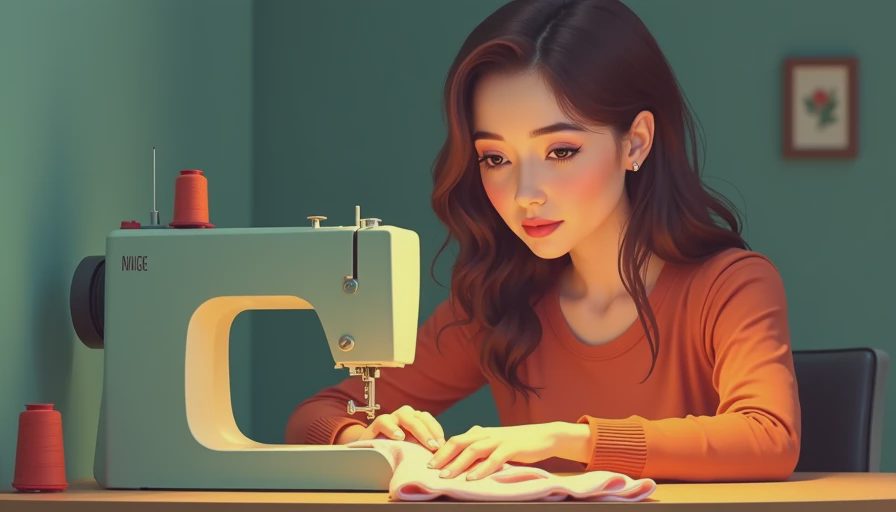
Start with cotton scrap fabric, polyester all-purpose thread, universal needles in sizes 80/12 and 90/14, spare bobbins, fabric scissors, pins or clips, a seam ripper, and an iron. The iron is not optional for neat results. Pressing a fold before stitching makes a hem easier to guide and can hide a surprising number of beginner wobbles.
Before sewing a thrifted garment, wash and dry it according to its care label. Then inspect the fabric for weak spots, loose threads, stains, and previous alterations. Mark the new hem with chalk or a washable pen. Practice the exact stitch on a scrap that matches the garment’s thickness. This catches tension and needle problems before they become permanent.
With portable sewing machines, thread the upper path and bobbin slowly, raise the presser foot while threading, and hold both thread tails behind the foot for the first few stitches. Begin on scrap fabric. If the thread nests underneath, stop, raise the needle, cut the threads, and rethread instead of sewing through the jam. That small habit prevents many avoidable repairs.
Smart ways to buy secondhand
Secondhand portable sewing machines can be excellent values, especially when the seller includes the original pedal, accessories, and manual. Ask whether the motor runs, whether the handwheel turns smoothly, and whether the needle moves up and down. A short test using scrap fabric is worth more than a clean-looking plastic case.
Check for cracked plugs, missing bobbin covers, rust around the needle plate, and a foot pedal that becomes hot quickly. Missing accessories are not always a dealbreaker, but replacement parts can turn a $25 machine into a $70 project. Search the exact model number before paying and confirm that bobbins and needles are still available.
Portable sewing machines are most useful when they fit your real habits. For occasional mending, choose easy threading and simple controls. For regular upcycling, prioritize a free arm, adjustable stitches, stable feeding, and accessible replacement parts. Start with a straightforward repair, accept that the first seam may be crooked, and use the seam ripper without shame. That is how a small machine becomes a dependable part of your creative routine.
No notes yet — write the first one.